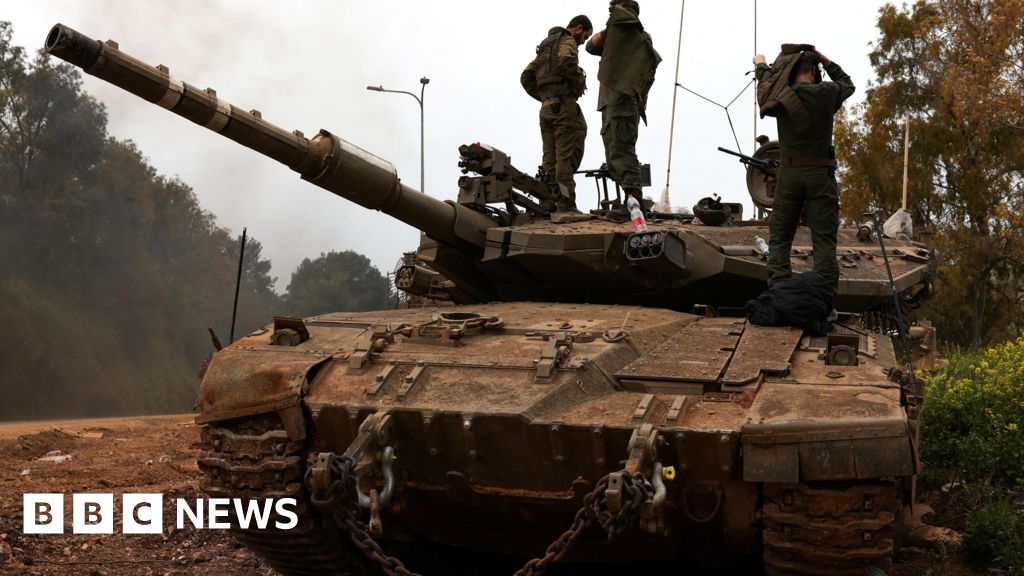
Israel and Lebanon have agreed to a 10-day ceasefire starting at 17:00 EST, but key terms remain unresolved, including Hezbollah disarmament and the extent of Israeli troop withdrawal. The conflict has killed at least 2,196 people in Lebanon, displaced more than 1 million, and destroyed or damaged about 37,000 homes. Trump said he will invite Netanyahu and President Joseph Aoun to the White House for talks within the next week or two, underscoring the diplomatic significance but also the fragility of the truce.
The near-term market read-through is less about a binary ceasefire and more about the probability of a managed conflict premium. If the pause holds for even a few weeks, the first-order winner is regional risk assets via lower tail-risk pricing, but the more important second-order effect is on logistics normalization: insurance premia, rerouting costs, and precautionary inventory hoarding in the Eastern Med should start to unwind quickly. That matters more for transport, insurers, and firms exposed to Levant/Red Sea-linked freight than for headline-defense names, which usually only de-rate meaningfully when policy budgets or order flow expectations change, not when a tactical truce is announced.
The unresolved security-zone demand is the key catalyst to watch because it converts a ceasefire into a quasi-frozen occupation risk. If Israeli forces remain embedded in southern Lebanon, reconstruction capital will not flow normally, and that keeps the destruction-to-rebuild trade asymmetric: suppliers of blast-resistant materials, demining, and perimeter-security systems can see multi-quarter demand, while traditional civil-construction exposure stays trapped. In other words, the market should distinguish between 'shooting stops' and 'capex restart'—the latter is likely delayed for months unless there is a credible disarmament framework or multinational monitoring regime.
For broader risk assets, the biggest underappreciated upside is on sentiment spillover into energy and shipping, not domestic Lebanon reconstruction. A credible de-escalation would compress geopolitical oil risk premium by a few dollars per barrel and tighten freight spreads, but that move is reversible within days if talks fail or if Hezbollah resumes asymmetric attacks. The consensus may be too optimistic on permanence: the more likely base case is a tactical pause followed by intermittent violations, which means rallies in risk-sensitive assets should be sold into unless follow-up diplomacy produces enforceable terms within 1-2 weeks.
AI-powered research, real-time alerts, and portfolio analytics for institutional investors.
Request DemoOverall Sentiment
strongly negative
Sentiment Score
-0.60
