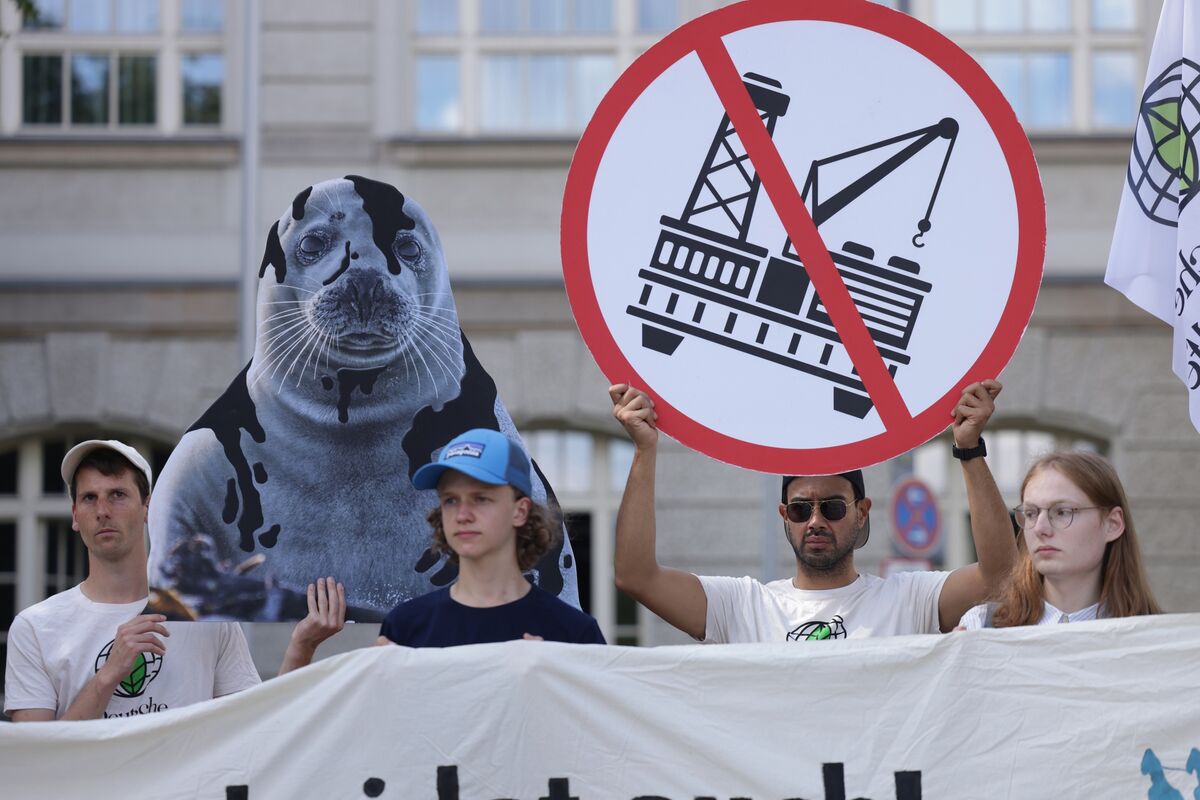
Germany has approved the controversial drilling of up to 13 billion cubic meters of natural gas in a protected North Sea marine zone off Borkum island, a move aimed at bolstering the nation's energy security. This decision, formalized through a bilateral agreement with the Netherlands and overcoming previous delays by environmental ministers, signifies a prioritization of energy supply amidst ongoing security concerns. The project, led by One-Dyas BV, is expected to enhance Germany's domestic gas supply.
Germany's cabinet has approved a bilateral agreement with the Netherlands, authorizing the drilling of up to 13 billion cubic meters of natural gas in a protected North Sea marine zone. This move, involving explorer One-Dyas BV, signifies a material policy shift, prioritizing national energy security over environmental protection. The decision is particularly noteworthy as it reverses the previous stance of the Green party's economy minister, who had delayed the project, highlighting a pragmatic adjustment in Germany's energy strategy in response to security concerns. While the project's volume is not large enough to fundamentally alter European gas market dynamics on its own, the approval sets a significant precedent. It suggests a potentially more permissive regulatory environment for fossil fuel projects in the region and exemplifies the growing tension between ESG mandates and national security imperatives.
AI-powered research, real-time alerts, and portfolio analytics for institutional investors.
Request DemoOverall Sentiment
mildly positive
Sentiment Score
0.30
