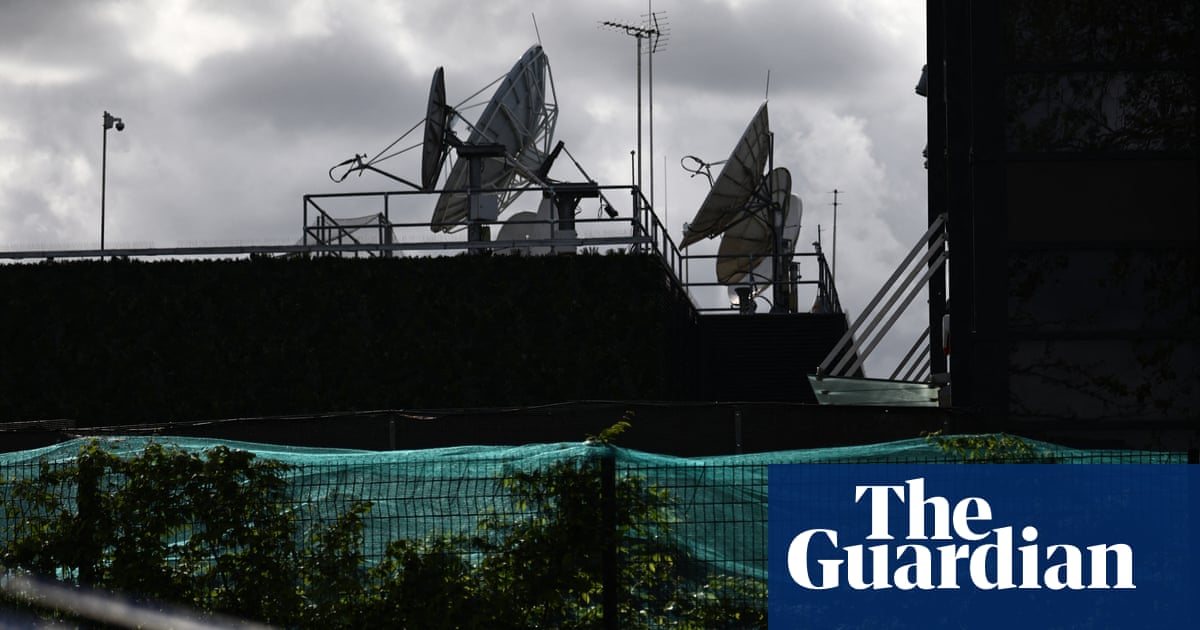
Three people, including a 16-year-old, were charged with arson with intent to endanger life after an attempted firebombing of Volant Media’s offices in Wembley, north-west London. No injuries were reported, the device landed in a car park and went out immediately, and nearby buildings were evacuated as a precaution. The case is proceeding to the Old Bailey on 15 May, with additional dangerous-driving charges brought against one defendant.
This reads less like a single criminal case and more like a reminder that Iranian dissident media assets in Europe sit on a geopolitical fault line. The immediate market impact is limited, but the second-order effect is higher perceived operating risk for any London-based outlet covering Iran, which can raise insurance, security, and staff-retention costs over time. That burden tends to hit smaller, specialized news organizations first, even if the physical incident itself is contained.
The more important dynamic is reputational and regulatory rather than physical. If authorities treat this as part of a broader foreign-pressure or intimidation pattern, expect stepped-up scrutiny of cross-border influence networks, which can create headline risk for firms with exposure to UK security-sensitive operations, private security contractors, and telecom/internet platforms used by diaspora audiences. The event also reinforces the value of resilience infrastructure: secure communications, backup facilities, and relocation optionality become more important than nominal audience share.
For investors, the asymmetric trade is not to chase a one-off headline, but to position around rising security spend and persistent geopolitical noise. The risk is that the market fades the story if no wider network is uncovered; the catalyst would be any formal attribution to state-linked actors or evidence of a broader campaign, which would extend the time horizon from days to months and broaden the set of exposed assets. Conversely, if charges remain narrowly criminal and there is no escalation, the trade should be unwound quickly because the premium is mostly event-risk driven.
The contrarian view is that the situation may be underpriced in terms of operational disruption but overpriced in terms of systemic market relevance. The direct beneficiary is not media equity beta, but adjacent security and surveillance spend where budgets can expand quietly after incidents like this. That creates a cleaner expression than betting on the media company itself, which is more likely to absorb costs than rerate meaningfully.
AI-powered research, real-time alerts, and portfolio analytics for institutional investors.
Request DemoOverall Sentiment
mildly negative
Sentiment Score
-0.20
