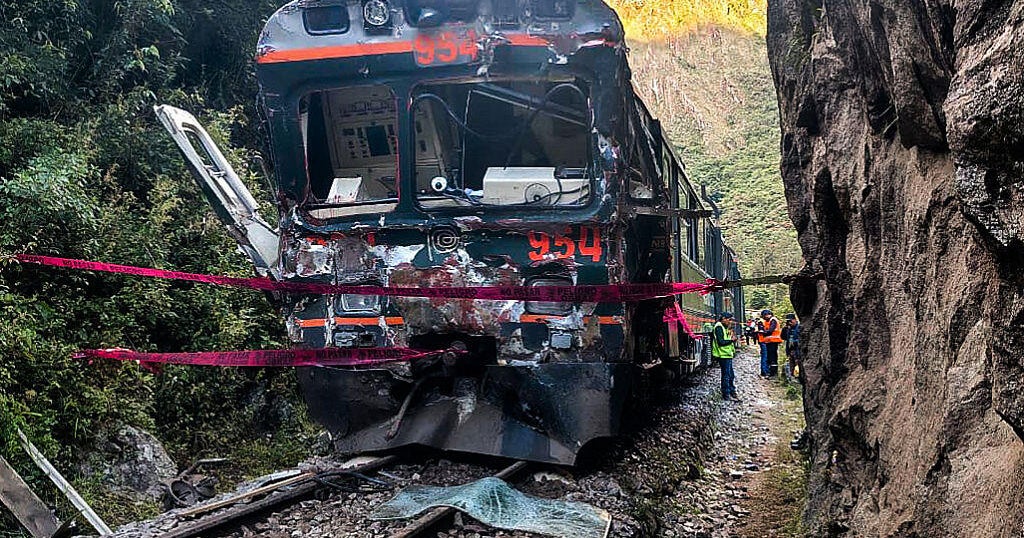
A head-on collision between a PeruRail and an Inca Rail train on the single-track line from Ollantaytambo to Machu Picchu killed one conductor and injured at least 40 people, with U.S. citizens among the wounded; the cause remains under investigation. The accident occurred near the UNESCO World Heritage site that averages ~4,500 daily visitors and could create near-term operational, reputational and regulatory risk for the rail operators and local tourism receipts, though broader market impact is likely limited and localized.
Market structure: The shock is highly localised — immediate losers are PeruRail/Inca Rail, local hotels, tour operators and the iShares MSCI Peru ETF (EPU) as train capacity on the single Ollantaytambo–Machu Picchu line is effectively constrained; expect visitor throughput to fall 30–60% in the next 7–21 days while emergency inspections occur. Winners are global, diversified travel platforms (Booking BKNG, EXPE, TRIP) that can reallocate demand and large insurers/reinsurers if pricing resets; Peru-specific pricing power weakens and tourist substitution benefits non‑Peruvian destinations. Cross-asset: anticipate 1–3 week widening in Peru sovereign CDS and a 1–3% spot weakness in PEN vs USD, while options implied vol rises on Peru/tourism names and travel sector vols see a modest spike.
Risk assessment: Tail risks include prolonged closure of the rail link (3–6 months) triggering a 10–20% annualized revenue hit for local tourism franchises, regulatory fines, and multi-year capital requirements for rail upgrades. Near term (days–weeks) reputational hit and litigation; short term (weeks–months) operational disruptions and insurance claims; long term (quarters–years) possible shift in tourist routing and permanent market-share loss for undercapitalized local operators. Hidden dependencies: airline seat reallocation, bus/road access limits, and government subsidy or caps on fares could materially change economics. Key catalysts: preliminary investigation in 7–21 days, government safety decree within 30–90 days, and tourism seasonality (southern hemisphere high season June–Aug) will amplify impact.
Trade implications: Tactically short Peru exposure (EPU) and Peru sovereign risk while going long diversified global OTAs; implement 1–3 month put protection on EPU (10% OTM) sized to 1–2% portfolio and establish a 1–2% long in BKNG/EXPE as a relative winner, holding 3–6 months. Consider duration reduction in Peruvian sovereign bonds (target <12 months) or buying 6–12 month CDS protection if 5Y spreads widen >25–50bps. For conservatively minded portfolios, add 0.5–1% allocation to industrials providing rail signalling/modernisation (Siemens SIEGY ADR) on a 6–12 month horizon.
Contrarian angles: Consensus will over-penalise all travel names and Peru for several weeks; this is likely overdone because Machu Picchu is a single-node shock — historical precedents show tourist flows normalize within 2–6 months after infrastructure incidents. Look for mean‑reversion in EPU: if it drops >15% intraday, a tactical long at 3–6 month horizon becomes attractive. Also, a sustained regulatory response could create multi-year capex winners (rail signalling providers) and underpriced insurance premiums — avoid binary shorting of global travel platforms that benefit from demand reallocation.
AI-powered research, real-time alerts, and portfolio analytics for institutional investors.
Request DemoOverall Sentiment
moderately negative
Sentiment Score
-0.40
