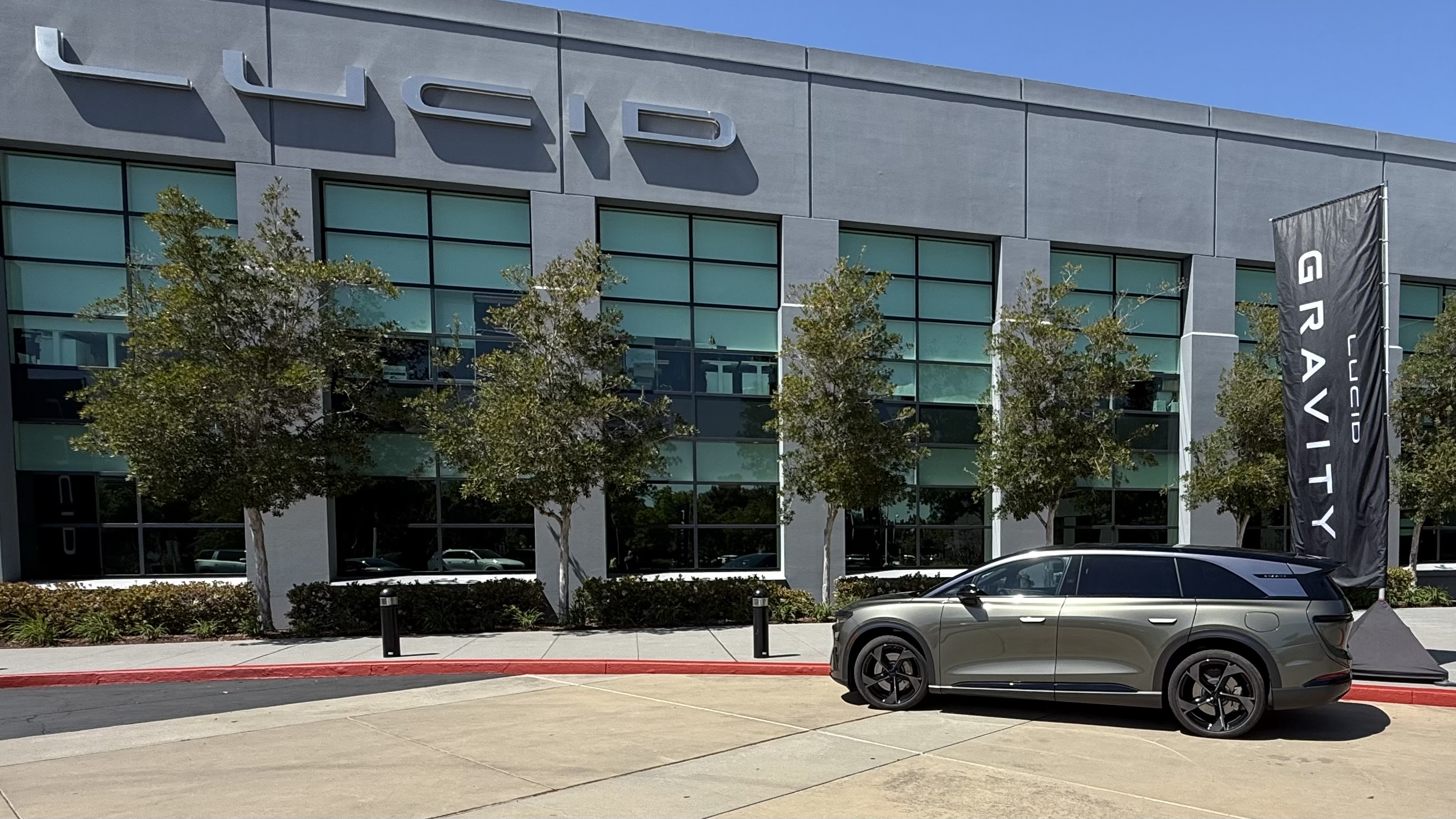
Lucid suspended its 2026 production guidance after posting a $1 billion first-quarter net loss and recalling its Gravity vehicle. The company produced 5,500 vehicles but delivered only 3,093 Air sedans and Gravity crossovers, roughly flat year over year. The combination of a large loss, guidance withdrawal, and recall is likely to pressure the stock.
This is less about one bad quarter and more about a credibility break in the capital-allocation story. Pulling 2026 guidance after a large loss suggests management no longer has enough visibility to underwrite the balance between production growth, gross margin inflection, and cash burn; that raises the probability of another financing event before the market gets to a self-funding narrative. In EV turnarounds, guidance withdrawals tend to expand the discount rate on the equity immediately and compress any multiple re-rating window from quarters to weeks.
The recall matters because it hits the exact point where new launches should be improving operating leverage. Any remediation on a fresh platform usually creates a double drag: direct service cost plus a slowing of deliveries that worsens fixed-cost absorption, so the next leg of margin improvement can slip by multiple quarters. That creates second-order pressure on suppliers tied to the Gravity ramp, while also strengthening the relative case for scaled competitors with cleaner execution and fewer launch-related warranty surprises.
The market’s biggest mistake may be treating this as merely a production miss rather than a solvency and dilution setup. If delivery conversion stays near current levels, cash consumption can remain stubborn even if headline builds improve, because inventory, rework, and incentives all rise when launch quality is unstable. The contrarian bull case is that the stock already prices a lot of bad news and any successful recall resolution could trigger a sharp squeeze; but that upside is tactical, not fundamental, unless the company can show two consecutive quarters of improving gross margin and fewer launch defects.
AI-powered research, real-time alerts, and portfolio analytics for institutional investors.
Overall Sentiment
strongly negative
Sentiment Score
-0.72
Ticker Sentiment
