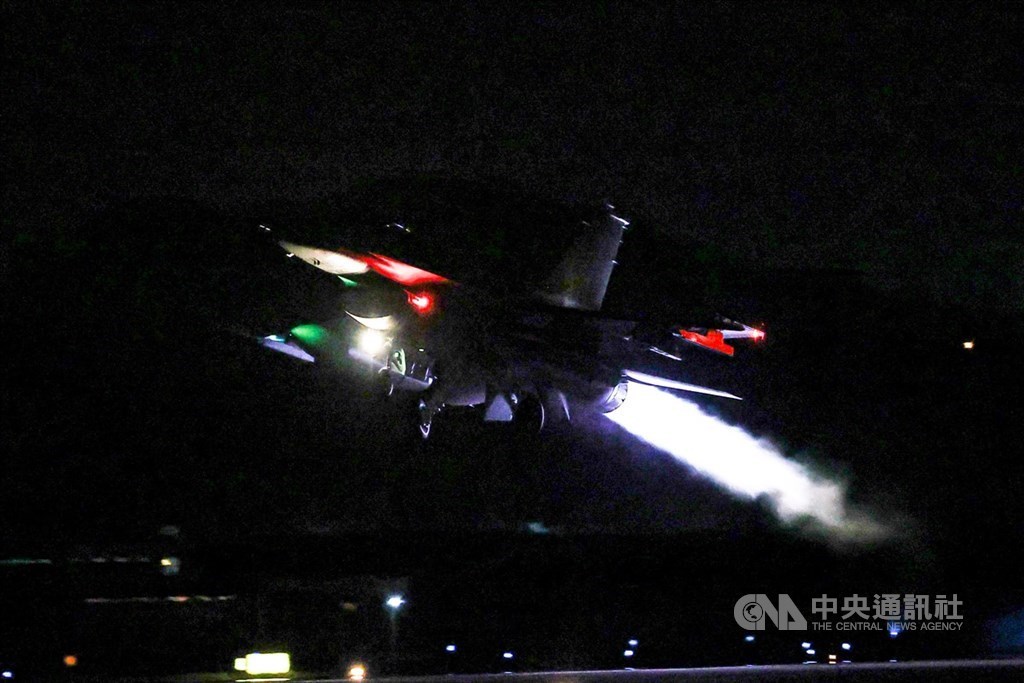
An F-16V (Block 20) single-seat fighter jet from Hualien Air Base reportedly experienced an in-flight emergency and the pilot, Capt. Hsin Po-yi, is believed to have ejected about 10 nautical miles east of Fengbin Township at 7:29 p.m. during a night training mission; the jet had departed at 6:17 p.m. The Air Force, Coast Guard and National Airborne Service Corps have launched coordinated air-sea search-and-rescue operations involving Coast Guard vessels from multiple fleets, a Black Hawk helicopter, rescue aircraft and a C-130 deploying illumination flares; Hsin had logged 611 total flight hours, including 371 on the F-16V. Immediate market implications are limited, though the incident is relevant to defense readiness and regional security monitors.
Market structure: A single F-16V loss is unlikely to move global markets but incrementally benefits defense prime contractors (Lockheed Martin LMT, Raytheon RTX, Northrop Grumman NOC, General Dynamics GD) by increasing probability of accelerated replacements, upgrades, or interim parts/support contracts in Taiwan and allied navies over 3–24 months. Taiwanese equities (EWT) and regional travel/insurance sectors face small near-term risk premia; shipping/insurance costs could rise if incidents cluster near key sea lanes, pressuring container freight rates by low-single-digit percentage points within weeks.
Risk assessment: Tail risks include cross-strait escalation after a pilot loss leading to temporary airspace closures or sanctions that could disrupt chip supply (TSM) — a low-probability, high-impact event with quarter-to-year disruption and >10% downside to Taiwanese export flows. Hidden dependencies: U.S. arms-sale approvals, insurance underwriters, and commercial shipping cooperation are critical; monitor US State Dept timelines (30–90 days) and P&I club advisories.
Trade implications: Near-term tactical plays favor selective long defense exposure (LMT/RTX call spreads, 6–18 month) sized 1–3% AUM as asymmetric defense spend upside vs modest downside risk; hedge geo-risk by shorting EWT or buying tail protection on USD/TWD if exposure >1% of portfolio. Commodities: buy small (0.5–1% AUM) Brent call options (3-month) if military tensions visibly escalate and shipping detours lengthen.
Contrarian angles: Consensus may overstate immediate risk to Taiwan equities — single incidents historically cause <3% drawdowns unless followed by reciprocal military activity. Opportunity exists to sell short-dated volatility (options premium) on EWT/TAIEX if no escalation within 10 trading days and instead rotate into longer-dated defense LEAPS where policy-driven spending is likelier over 6–24 months.
AI-powered research, real-time alerts, and portfolio analytics for institutional investors.
Request DemoOverall Sentiment
neutral
Sentiment Score
0.00
