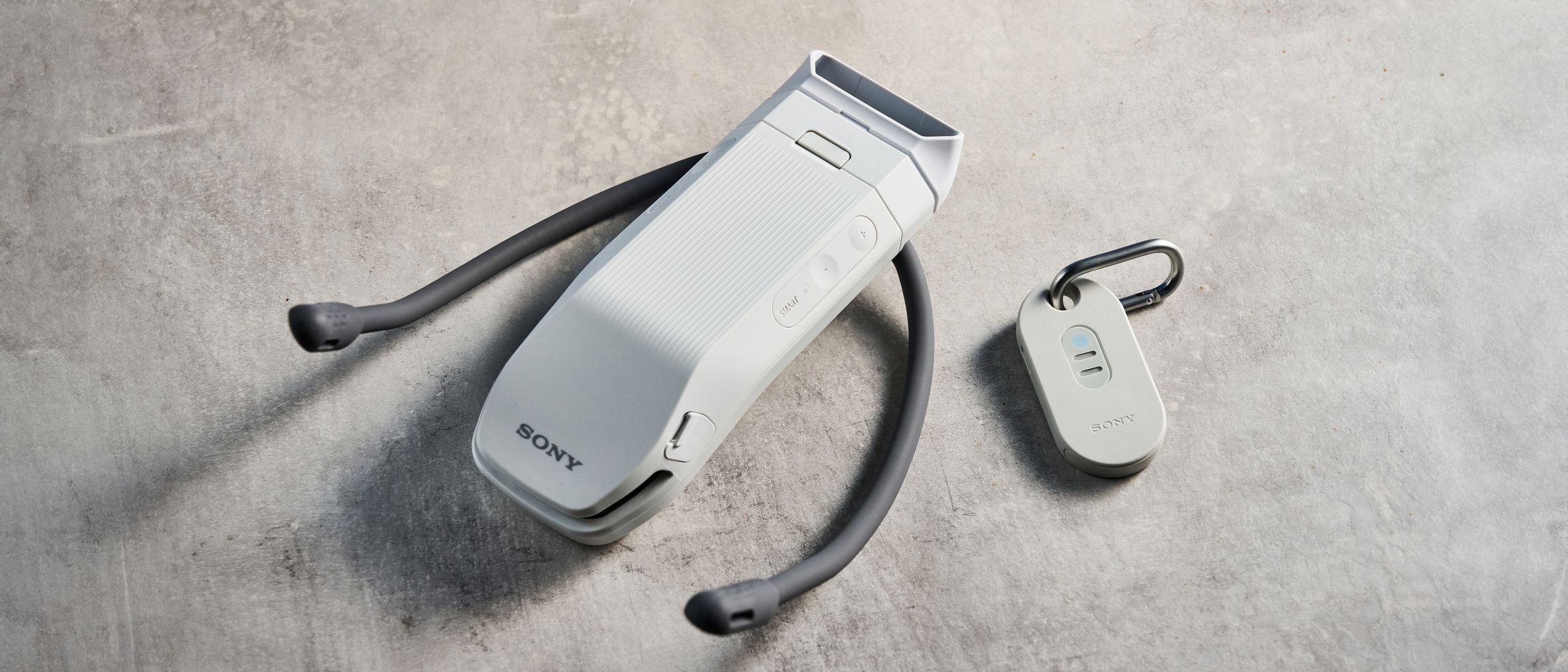
Sony’s Reon Pocket Pro Plus is a new personal temperature-regulation device priced at £199 in the U.K., with U.S. availability expected in summer 2026. The review is positive overall, citing effective heating and cooling, responsive app control, Smart Modes, and 10 hours of battery life, with the main drawback being hard-to-reach on-device buttons. The product appears differentiated versus competing fans and portable cooling devices, but the article is a consumer review and is unlikely to have meaningful immediate market impact.
This is less a consumer-gadget review than an early signal that “personal climate control” is moving from novelty into a premium wearables category. The important second-order effect is that the value proposition is not entertainment or fitness, but productivity preservation in both hot and cold environments—an employer budget line, not just a discretionary purchase. If that framing takes hold, the upside is less about one-off unit sales and more about repeat replacement cycles, accessory attach, and eventual enterprise/field-worker adoption.
For Sony, the strategic read-through is positive but not enough to move the stock on its own. This kind of product can matter disproportionately because it reinforces a broader systems narrative: hardware + app + sensor + ecosystem lock-in. The near-term issue is distribution friction in the U.S. and a relatively niche use case, which likely keeps revenue contribution immaterial in the next 2-3 quarters; however, it can still support margin mix if it proves to be a higher-ASP, software-enabled niche with low returns and strong brand halo.
Amazon’s exposure is more tactical than fundamental: if this category gains traction, marketplace search and Prime logistics become the bottleneck and the winner-take-most dynamic goes to whoever can carry inventory and fulfill quickly. A quiet but important risk is that early enthusiasm may overestimate TAM; adoption will likely be constrained by comfort, stigma, and climate-specific demand, meaning the first wave is urban commuters and office workers rather than mass-market consumers. That argues for a measured read: the innovation is real, but the equity impact likely lags the headline cycle by 6-18 months.
The contrarian view is that the market may underappreciate how “wearable HVAC” could cannibalize small fans, handheld coolers, and some low-end personal comfort devices before it ever becomes a mainstream standalone category. The product also has a built-in seasonality problem: demand could be spiky and promotion-dependent unless Sony positions it as an all-season productivity tool. If adoption broadens, the bigger winner may be the platform owner with the best app retention and channel control, not the first mover with the flashiest device.
AI-powered research, real-time alerts, and portfolio analytics for institutional investors.
Request DemoOverall Sentiment
strongly positive
Sentiment Score
0.72
Ticker Sentiment
