Zee Entertainment has filed a $3 million lawsuit against the Reliance-Disney joint venture, alleging unauthorized use of copyrighted music after licensing agreements expired. The company claims the platform and some TV channels used Zee music at least 50 times in 2024 and 2025, and is seeking to halt further infringement. The dispute adds to broader legal tensions between Zee and Reliance-Disney, which are already in arbitration over a separate $1 billion cricket licensing claim.
This is less about the headline damages number and more about the pricing power reset it implies for Indian streaming distribution. If a major content JV is exposed to post-expiry usage claims, the immediate market response should be a higher probability of recurring content cost inflation, more aggressive renewal negotiations, and tighter policing of music libraries across all OTT platforms. That tends to compress margins first at the platform with the weakest catalogue leverage, then ripple into smaller regional streamers that lack the scale to absorb higher licensing fees.
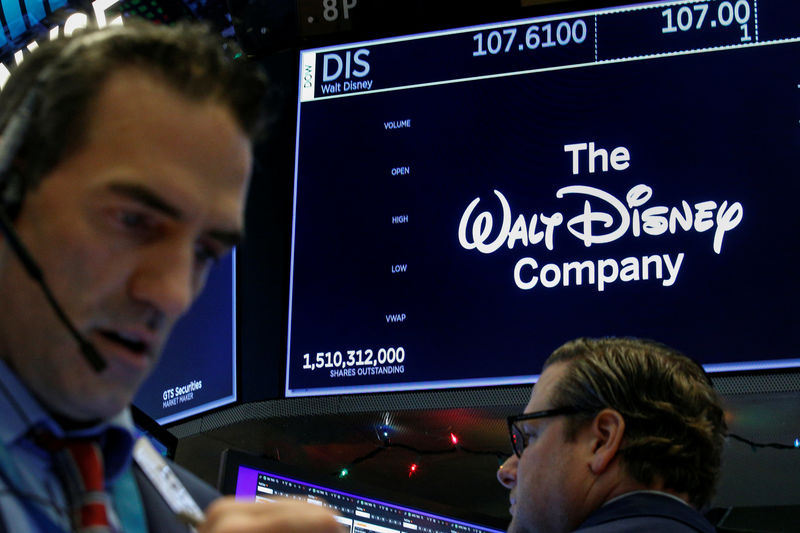
For DIS, the second-order risk is not the legal payout itself; it is operational friction and management distraction across a business that is still integrating assets and trying to stabilize engagement economics. Even a modest adverse ruling can force broader reserve building, more conservative content accounting, and tougher term structures with labels and studios over the next 2-4 quarters. The real bear case is precedent: if counterparties believe post-expiry use is vulnerable, every renewal becomes a bilateral price reset rather than a simple extension.
The contrarian angle is that the market may be underestimating how small this is relative to the platform’s strategic value. A low-dollar claim can still be useful as leverage in a broader commercial renegotiation, meaning the likely outcome may be a settlement or quiet licensing correction rather than a material cash hit. If so, the event is a near-term headline overhang, but not necessarily a long-duration impairment unless it expands into a pattern of IP disputes.
From a timing perspective, this is a days-to-weeks sentiment trade unless additional injunction language or counterclaims surface. The bigger catalyst window is the next earnings cycle, where any increase in content/legal provisions would validate the margin pressure thesis and could re-rate the stock lower even if the court case remains unresolved.
AI-powered research, real-time alerts, and portfolio analytics for institutional investors.
Request DemoOverall Sentiment
mildly negative
Sentiment Score
-0.20
Ticker Sentiment
