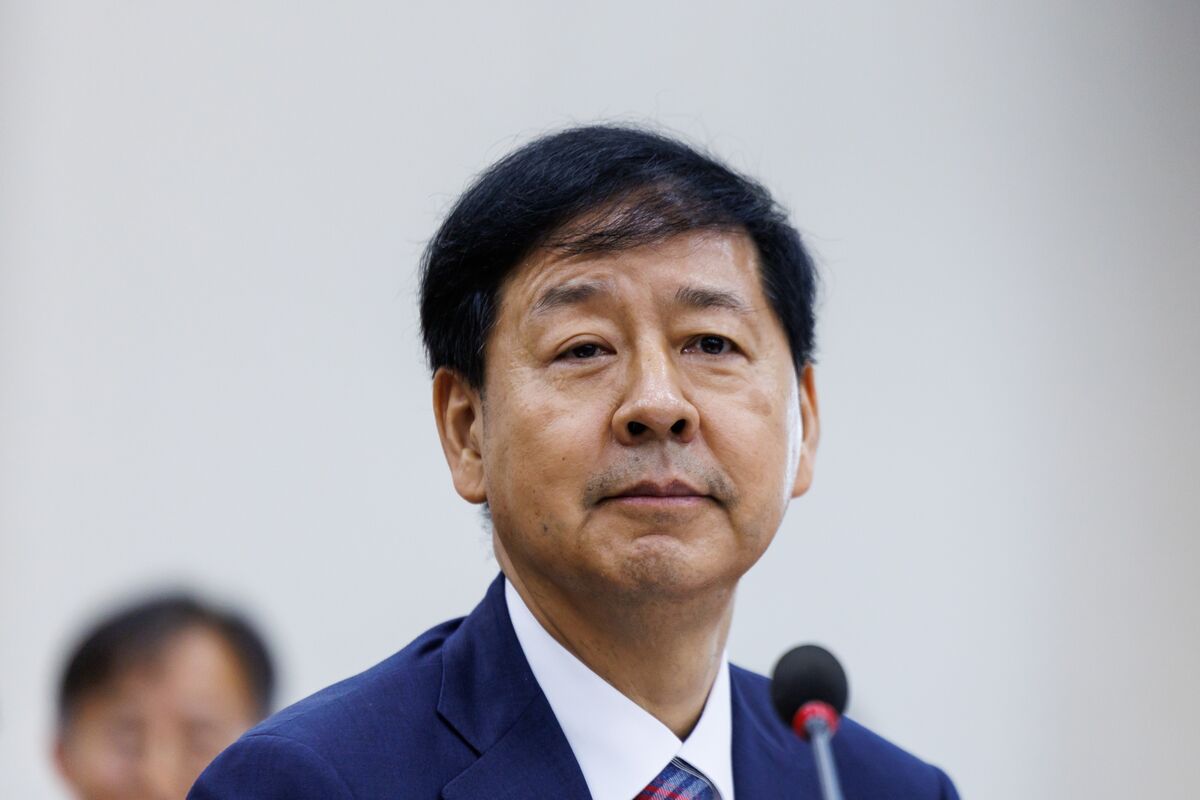
South Korean officials engaged in urgent talks with US Commerce Secretary Howard Lutnick in Washington to prevent the impending escalation of US tariffs on Korean exports. These last-minute negotiations precede the August 1 deadline, when existing tariffs are set to increase to 25%, posing a significant challenge for Korean trade.
High-level South Korean officials, including the Finance, Industry, and Trade ministers, are engaged in last-minute negotiations with the U.S. Commerce Department to prevent a scheduled tariff increase. The talks are critical as they precede an August 1 deadline, after which sweeping U.S. tariffs on Korean imports are set to rise to 25%. The situation introduces significant uncertainty into the bilateral trade relationship, reflected in the moderately negative sentiment score (-0.5) and the uncertain tone of the event. A failure to secure a deal poses a direct threat to the profitability and competitiveness of Korean exporters, carrying a moderate market impact (0.6) that could disrupt established supply chains. The seniority of the delegation underscores the gravity of the potential economic repercussions for South Korea should the negotiations fail.
AI-powered research, real-time alerts, and portfolio analytics for institutional investors.
Request DemoOverall Sentiment
moderately negative
Sentiment Score
-0.50
