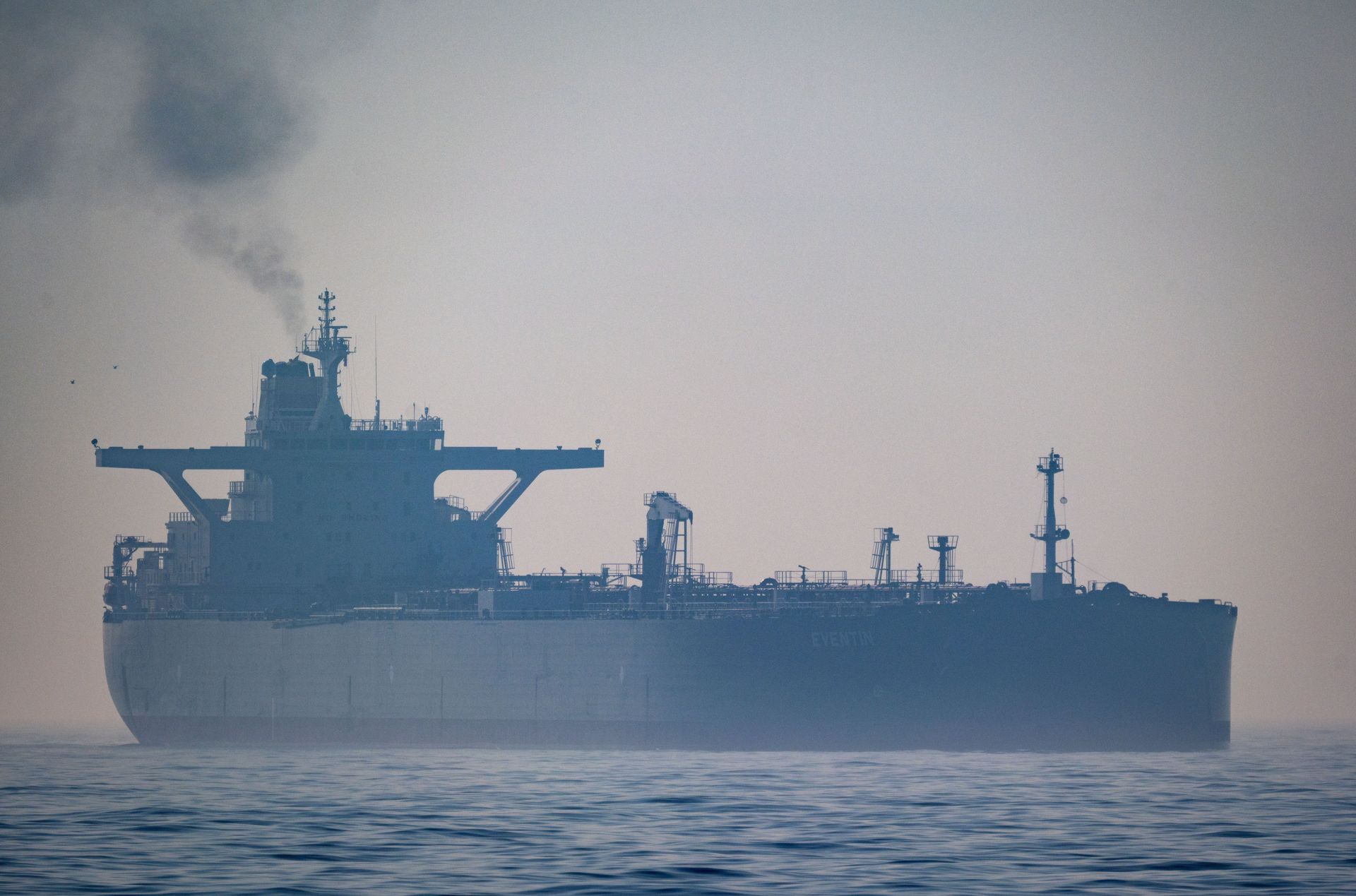
More than half of the world's sanctioned oil tankers may be at risk of causing serious environmental harm, according to ship recycler Anil Sharma, who warned the shadow fleet is a "ticking time bomb." Clarksons estimates around 1,500 tankers are in the global sanctions fleet, with Russia believed to operate 300-600 of them, many aging, corroded and underinsured. The article highlights elevated spill risk, prior incidents involving Russian tankers, and ongoing sanctions-related disruption to oil logistics and pricing.
The market is underpricing the second-order consequence of a shadow-fleet spill: the first losers are not oil producers but anyone exposed to maritime liability, port closures, and cleanup bottlenecks. A single major incident would likely trigger a sharp repricing in marine insurance, hull & machinery renewals, and sanctions-compliance costs across the entire dirty tanker complex, not just Russia-linked tonnage. That creates a convex downside for lessors, traders, and insurers with latent exposure to aging crude carriers, while creating a near-term operating tailwind for spill-response, salvage, and environmental services.
The bigger catalyst is regulatory, not physical. The probability of an event may be low day-to-day, but the policy response after a headline spill would be fast and asymmetric: stricter AIS enforcement, more port-state inspections, broader underwriting exclusions, and likely additional vessel detentions. Over months, that could tighten effective tanker supply even if global oil demand is flat, because marginal capacity would be forced off the water faster than replacements can be financed or insured. The result is a subtle bullish set-up for clean, insured tanker capacity and a bearish one for the oldest ships still earning war-risk premia.
There is also a geopolitical option value embedded here: if crude prices spike, sanctions enforcement tends to loosen at the margins to avoid amplifying inflation, which caps the near-term downside for the shadow fleet. That means the trade is less about hoping for a catastrophic spill and more about positioning for a creeping regime shift in enforcement and insurance standards. Consensus is likely too focused on the environmental headline and not enough on the asset-quality reset that follows when insurers, lenders, and port authorities reprice the entire segment.
If the event stays uncrystallized, the overreaction risk is that the market fades the story and buys back the most exposed names after a few quiet weeks. But that is exactly why the best expression is via options or relative value rather than outright shorts: the catalyst is binary, the timing is uncertain, and the payoff is in a sector-wide de-rating rather than a one-name collapse.
AI-powered research, real-time alerts, and portfolio analytics for institutional investors.
Request TrialOverall Sentiment
strongly negative
Sentiment Score
-0.65
