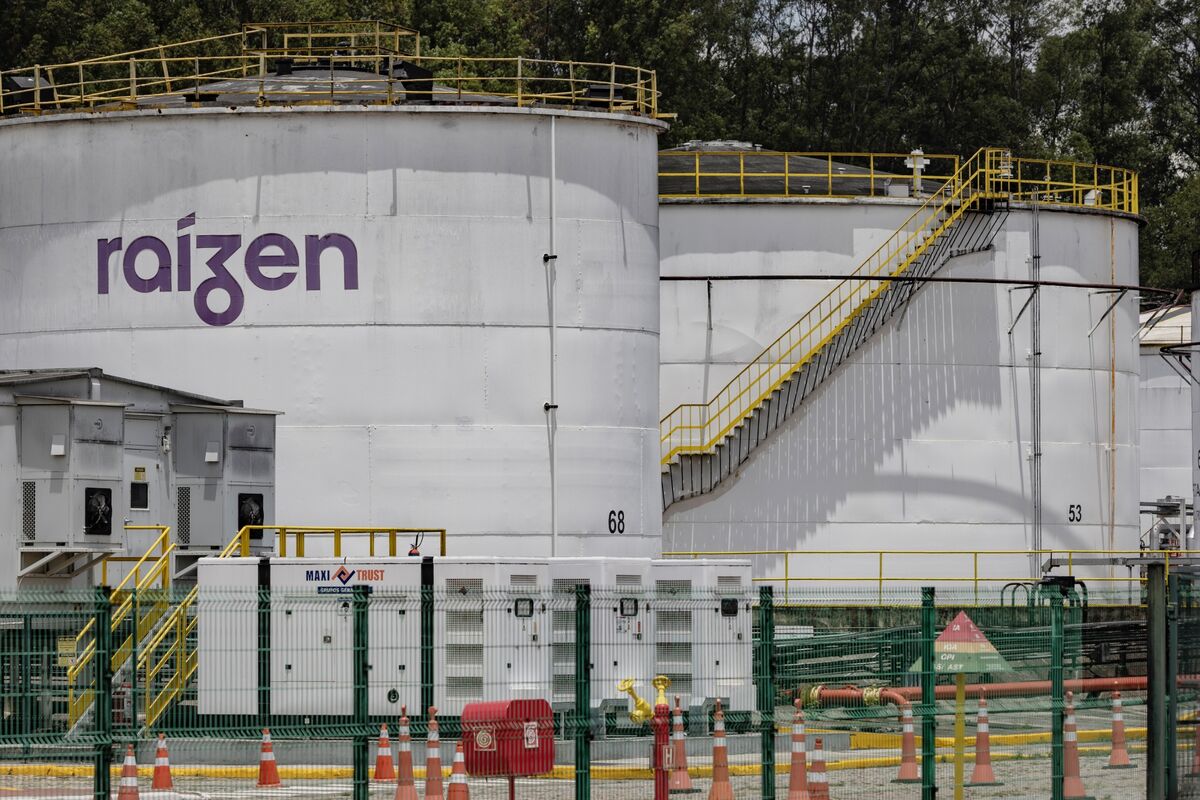
Brazilian banks, led by Banco Bradesco, are pressing Cosan and adviser BTG Pactual for improved terms in Raízen's debt restructuring. That push risks derailing Cosan's planned IPO of gas unit Compass — a deal that could have been Brazil's first IPO in almost five years — and increases execution risk for Cosan and creditors. The dispute heightens near-term uncertainty for Raízen creditors and Cosan shareholders and could move stock or bond prices for the companies involved.
Creditor activism by large domestic banks raises the probability that Cosan will be forced to choose between a deeper creditor settlement and monetizing Compass at a depressed valuation; either path is negative for Cosan equity in the near term and increases the odds of a multi-quarter IPO delay. Expect market pricing to reflect this via wider credit spreads for related corporate paper — a sensible working assumption is a 200–500bp spread widening on stressed notes over the next 3–9 months if negotiations harden.
Second-order, tighter creditor outcomes will pressure working-capital availability across fuel and ethanol supply chains: suppliers and distributors that rely on Raízen’s payment cadence could demand shorter terms or higher commercial paper yields, creating upstream margin stress and intermittent supply frictions that feed into Brazilian fuel inflation within a 1–3 quarter window. That pressure creates a counterparty concentration risk for mid-sized local banks; a 1–3% incremental NPL shock to their energy exposure could meaningfully compress ROE and tighten lending across the sector.
Reversal scenarios are clear and relatively fast: a negotiated concession package that includes explicit IPO escrow, equity injections, or bridge financing can compress spreads and re-accelerate the Compass listing within 60–120 days. Conversely, a drawn-out creditor standoff or a covenant breach would be binary and value-destructive — plan for asymmetric outcomes and size positions so a worst-case forced-sale scenario reduces portfolio stress by no more than 2–3% of strategy NAV within a 6–12 month horizon.
AI-powered research, real-time alerts, and portfolio analytics for institutional investors.
Overall Sentiment
mildly negative
Sentiment Score
-0.25
Ticker Sentiment
