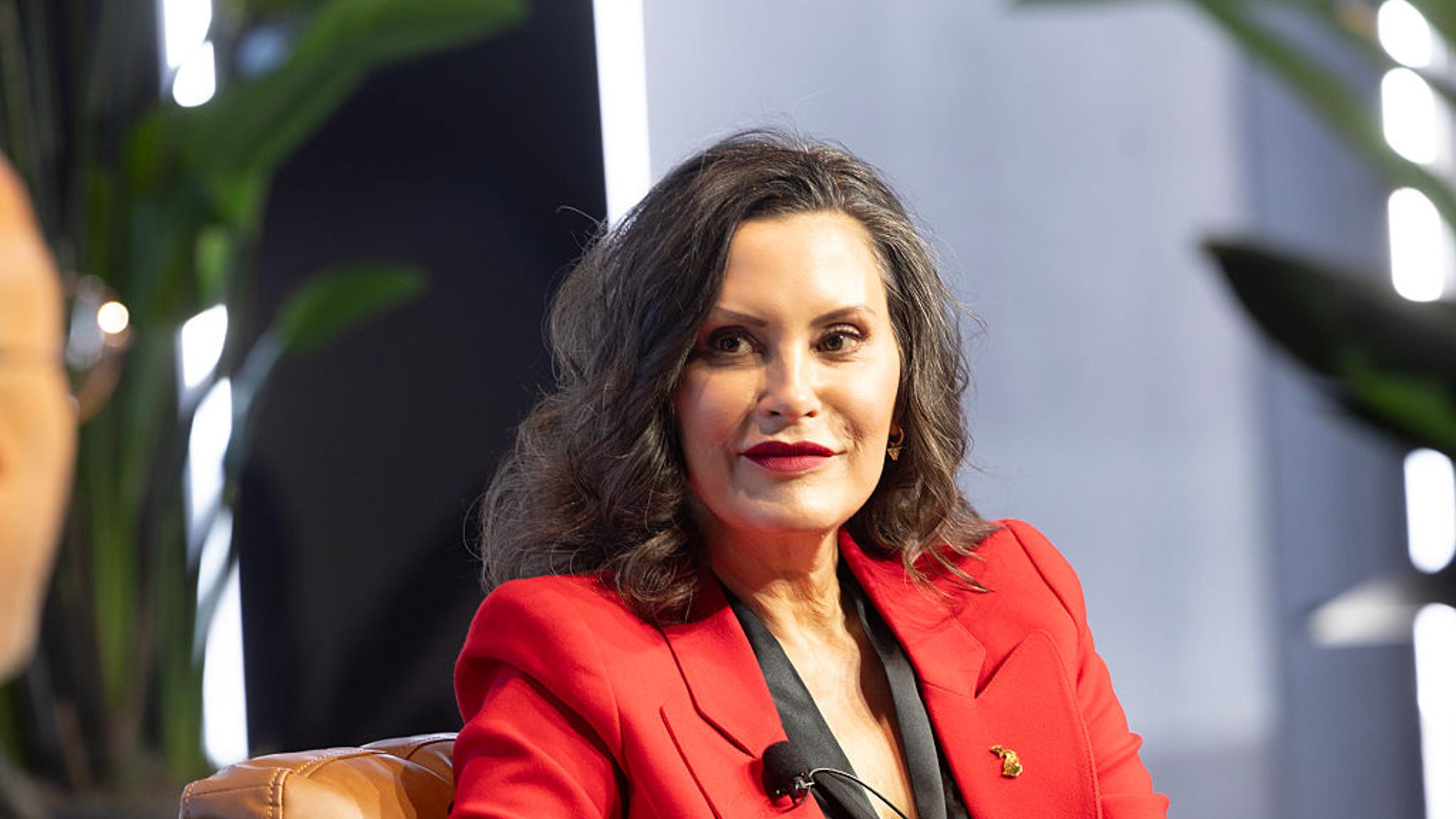
The article focuses on 2028 presidential speculation, with Michigan Gov. Gretchen Whitmer ruling out a White House bid and several other Democrats and Republicans either teasing or denying interest. Emerson College Polling shows Pete Buttigieg leading Democrats at 18%, Gavin Newsom at 16%, Alexandria Ocasio-Cortez at 11%, Josh Shapiro and Kamala Harris at about 10% each, and Andy Beshear at 9%; on the GOP side Marco Rubio is at 35% and J.D. Vance at 36%. The piece is political positioning and polling-driven, with no direct financial or market-specific catalyst.
The immediate market read is not about the individual names but about the structure of the 2028 race: this is moving from a personality-driven speculation trade to a duration trade. The key second-order effect is that the Democratic field is now more likely to stay fragmented for longer, which benefits candidates with high name recognition and base enthusiasm while penalizing late entrants who need a clean consolidation path. That fragmentation also raises the probability of a more ideological primary, which can widen policy dispersion around taxes, antitrust, labor, and healthcare — enough to matter for sector positioning well before any vote is cast.
The most investable signal is the widening gap between “media visibility” and “delegate viability.” Candidates with rising polling share and strong online engagement can create periodic volatility in consumer, healthcare, and renewable-energy baskets, but those spikes are likely to be fadeable unless they translate into institutional support and fundraising. The more important catalyst window is the 2026 midterms: if Democrats overperform, the field likely shifts toward higher-turnout, reform-oriented messaging; if they underperform, the party could pivot toward a safer, managerial candidate set, compressing the policy premium embedded in progressive-linked sectors.
On the Republican side, the narrowing of the field around a vice-presidential successor and a cabinet-level alternative increases succession clarity, which is usually positive for market confidence but not necessarily for risk assets if it implies continuity of tariff, immigration, and regulatory posture. The market may be underpricing the possibility that succession positioning begins to affect agency behavior now, not in 2028: cabinet officials, governors, and lawmakers will increasingly calibrate toward donor and activist audiences, creating headline risk in defense, energy permitting, telecom, and healthcare reimbursement. For trading, the bigger move is not the election itself; it is the series of policy trial balloons that start appearing over the next 12-18 months.
AI-powered research, real-time alerts, and portfolio analytics for institutional investors.
Request DemoOverall Sentiment
neutral
Sentiment Score
0.00
