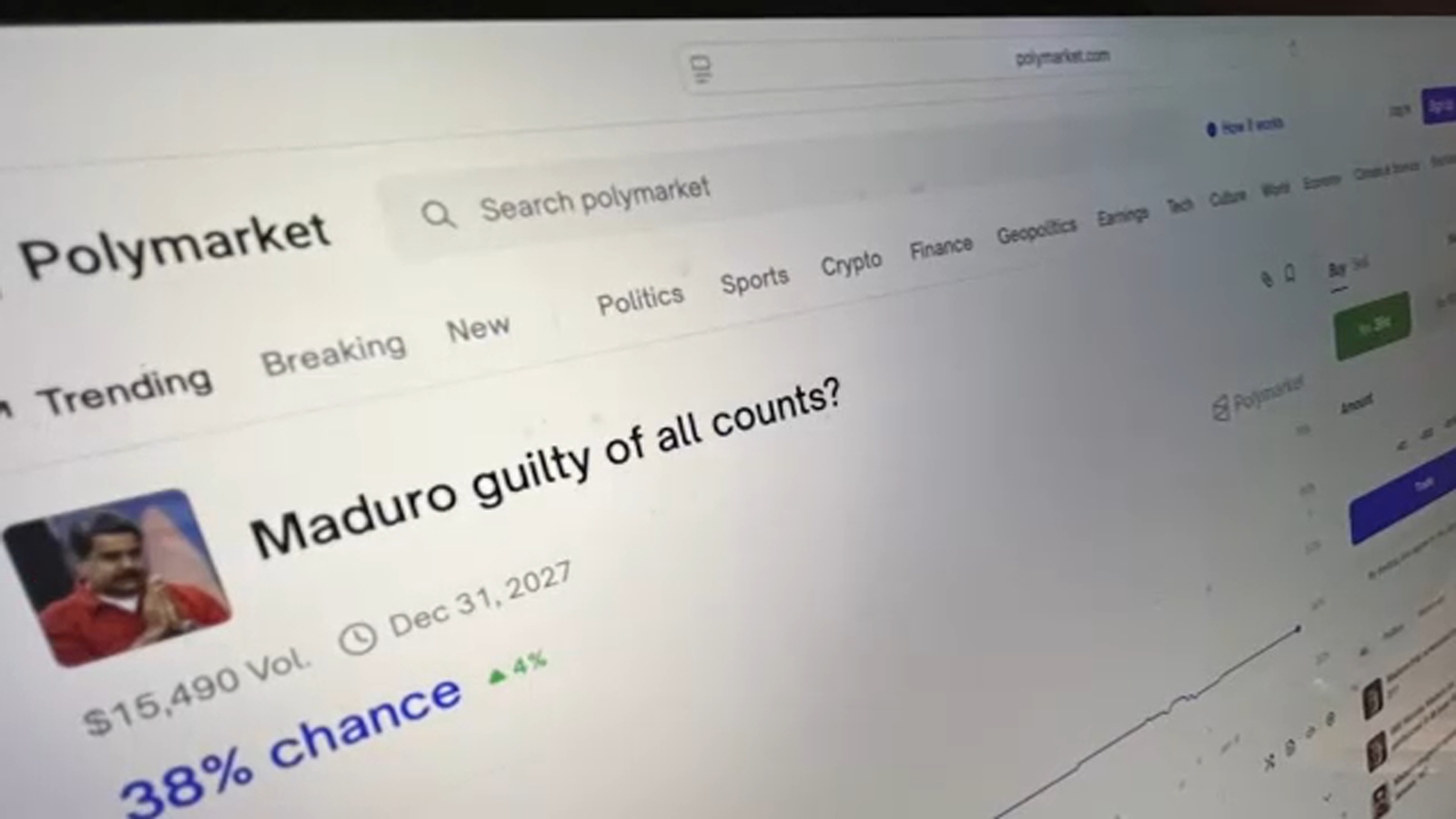
A Fort Bragg soldier was indicted on federal charges for allegedly using top-secret information from a Venezuela operation to place more than $32,000 in Polymarket bets and generate over $400,000 in winnings. Prosecutors say he traded on geopolitical outcomes in advance and then tried to move the proceeds into cryptocurrency, prompting charges under the Commodity Exchange Act and wire fraud. The case highlights insider-trading risk in prediction markets and has drawn cooperation from Polymarket and scrutiny from federal authorities.
The immediate loser is not the underlying betting venue so much as the credibility layer that makes event-driven markets function. Prediction markets depend on a belief that edge comes from information aggregation, not leakage from people with privileged access; once that trust is questioned, retail participation and market depth can thin fast, widening spreads and lowering the quality of price discovery for politically sensitive contracts. That matters most for venues trying to evolve from novelty products into durable infrastructure for news-linked risk transfer.
Second-order beneficiaries are the firms and rails that can credibly position themselves as compliance-first intermediaries: exchanges, surveillance vendors, KYC/AML tooling, and custody providers that can prove they can detect anomalous flow and suspicious wallet movements. The crypto leg is especially important because attempts to launder proceeds into digital assets will harden scrutiny around off-ramp providers, stablecoin issuers, and wallets with weak provenance controls. Expect a broader spillover into any platform that allows event contracts tied to elections, war, sanctions, or sovereign instability.
The main catalyst is regulatory, not judicial. In the next 1-3 months, the market should watch for subpoenas, exchange rule changes, and a likely tightening of internal controls around geopolitically sensitive markets; over 6-12 months, the bigger risk is whether policymakers use this case to argue that prediction markets are structurally unfit for certain categories of events. A reversal would require visible self-policing by the platform, public cooperation with regulators, and a clean audit trail that shows the incident is an outlier rather than evidence of a systemic leak.
Contrarian view: the scandal may ultimately be bullish for the category if it forces maturation. If surveillance works and the platform can identify, freeze, and report suspicious flow, institutions may view that as proof the market is becoming more bankable, not less. The overreaction risk is that investors conflate one insider event with product failure; the more durable issue is whether event markets can remain liquid after regulators carve out the most politically sensitive contracts.
AI-powered research, real-time alerts, and portfolio analytics for institutional investors.
Request TrialOverall Sentiment
strongly negative
Sentiment Score
-0.60
