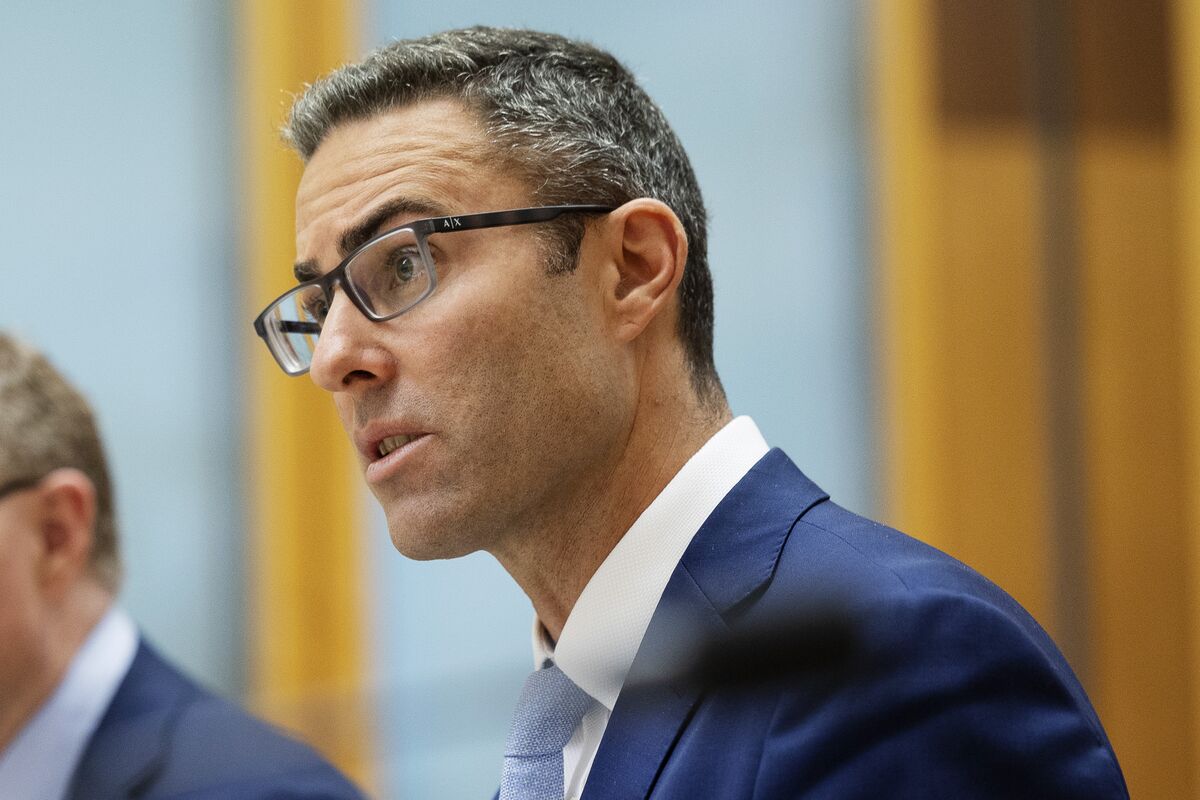
The Reserve Bank of Australia (RBA) has warned that the post-Cold War "peace dividend is over," signaling a fundamental global shift towards heightened geopolitical risks and strategic rivalry. RBA Assistant Governor Bradley Jones stated that this "seismic adjustment" is forcing governments and companies to implement costly safeguards, indicating a more contested and complex international economic and security landscape with significant implications for global stability and business operations.
A senior official at the Reserve Bank of Australia has articulated a significant shift in the global macroeconomic and geopolitical landscape, declaring that the post-Cold War "peace dividend is over." According to RBA Assistant Governor Bradley Jones, the international system is undergoing a "seismic adjustment" toward a more "contested and complex" environment, a change occurring at a pace "unseen in eight decades." The core economic implication of this shift is that both governments and private companies must now build "costly safeguards." This points to a structural increase in expenditures on security, supply chain diversification, and risk mitigation, which could act as a headwind to corporate profitability and a source of inflationary pressure. The statement from a major central bank official lends considerable weight to the idea that the era of frictionless globalization is ending, with profound implications for global trade, capital flows, and market volatility.
AI-powered research, real-time alerts, and portfolio analytics for institutional investors.
Request DemoOverall Sentiment
strongly negative
Sentiment Score
-0.75
