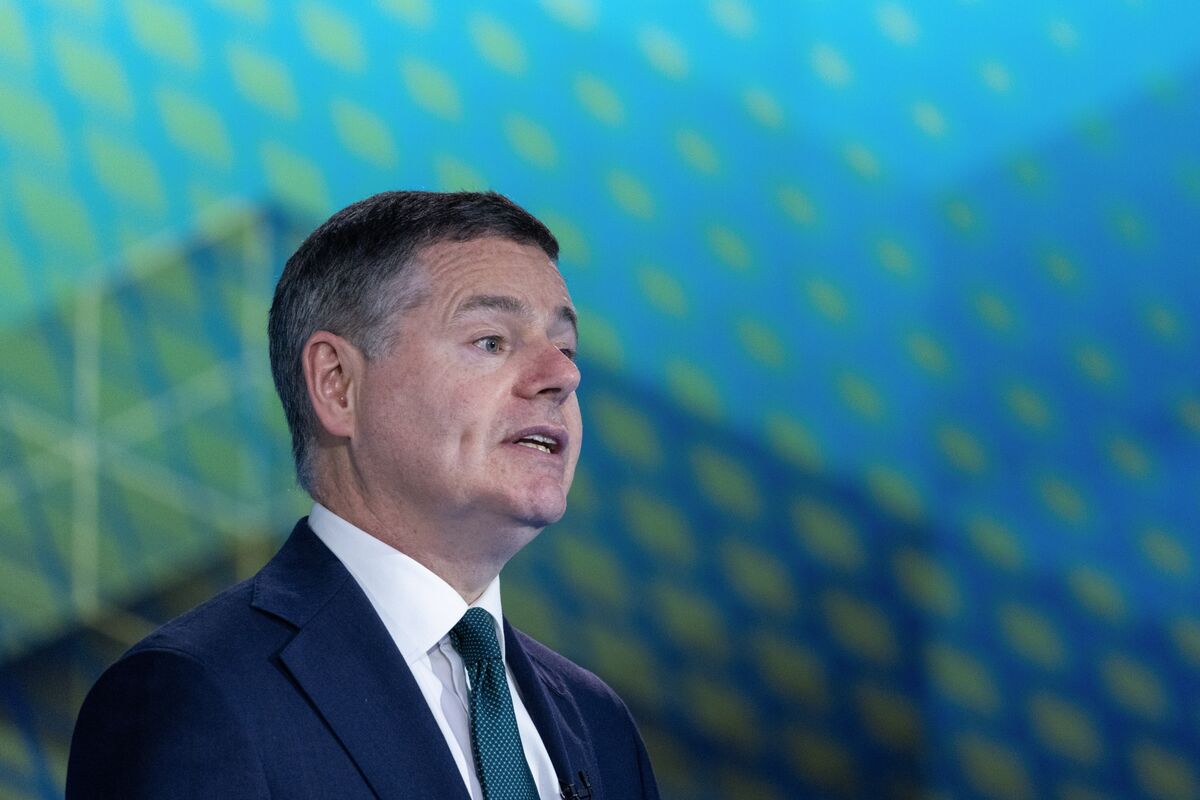
Eurogroup President and Irish Finance Minister Paschal Donohoe warned that escalating Middle East tensions pose significant economic risks, specifically citing potential impacts on energy prices, energy access, and global trade flows. Speaking at Bloomberg's Future of Finance in Ireland event, Donohoe emphasized the increasing uncertainty for the energy and trade sectors.
Eurogroup President Paschal Donohoe has issued a cautious warning regarding the economic risks stemming from escalating tensions in the Middle East. Speaking at a Bloomberg event, he identified specific vulnerabilities in the energy and trade sectors, highlighting concerns over potential increases in the price of energy and disruptions to its access. Furthermore, Donohoe emphasized the risk to global trade, citing potential impediments to the free movement of goods worldwide. This high-level commentary, characterized by a moderately negative sentiment, underscores a growing unease among European policymakers about geopolitical spillover. While no specific companies or assets were mentioned, the statement points to systemic risks that could impact inflation, corporate input costs, and global economic growth by constraining critical supply chains and energy markets.
AI-powered research, real-time alerts, and portfolio analytics for institutional investors.
Request DemoOverall Sentiment
moderately negative
Sentiment Score
-0.50
