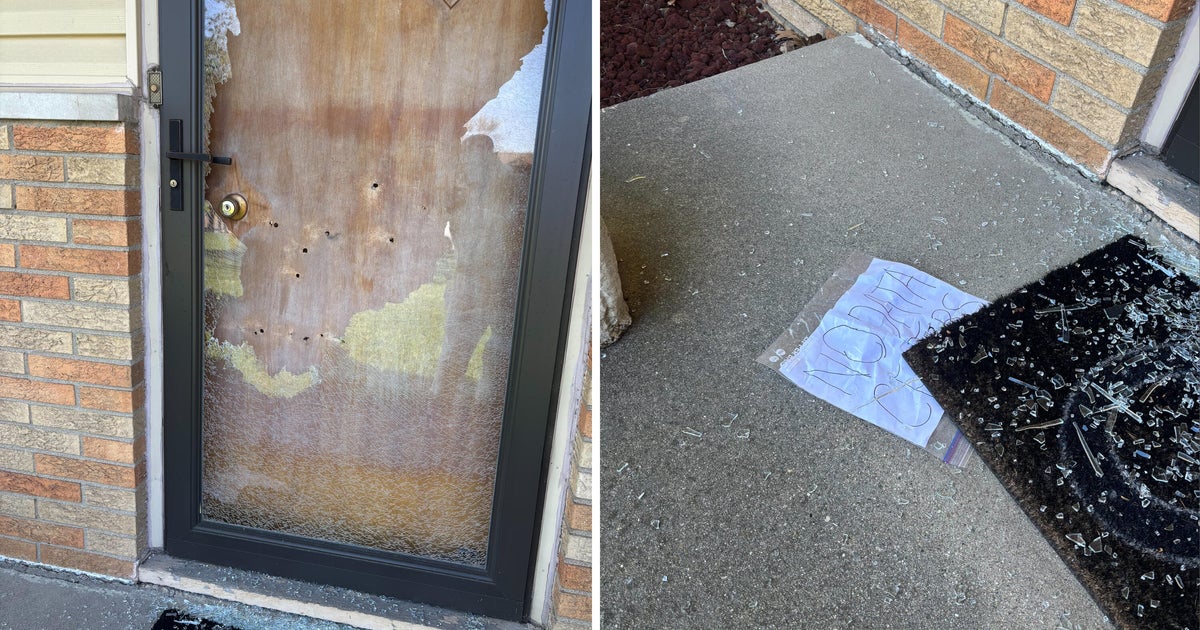
13 shots were fired at Indianapolis councilor Ron Gibson's front door and a bagged note reading "NO DATA CENTERS" was left on the doorstep; Gibson and his 8-year-old son were unharmed. The shooting appears tied to Gibson's recent advocacy for rezoning 2505 North Sherman Drive for a Metrobloks LLC data center project (the developer expects ~300 construction jobs over three years); the Metropolitan Development Commission approved the project but City-County Council action is still required. The FBI is assisting the investigation; local advocacy group Protect Martindale-Brightwood denied involvement and condemned the violence.
Localized violent incidents tied to infrastructure projects act as force multipliers for permitting risk: expect a measurable widening of community-opposition externalities that can slow projects for 6–18 months. That delay benefits incumbents with existing operating capacity (limited incremental supply) while imposing margin pressure on developers and hyperscalers forced to accelerate on-site redundancy or buy grid capacity at a premium.
Second-order demand is split: physical security, on-site backup power, and municipal public-safety spending are likely to see a near-term revenue bump (weeks–quarters) as developers and councils prioritize risk mitigation; meanwhile utilities face a longer-term capex reallocation toward interconnection upgrades and local transmission, which will push regulated rates/contract negotiations into multi-year cycles.
Macro flip risk: if multiple jurisdictions adopt moratoria or heavy mitigation requirements, the data-center pipeline compresses and pricing for colocation could rise 10–25% over 12–24 months, but that outcome is binary and politically contingent (council votes, state action, high-profile investigations). Conversely, if state-level pro-growth interventions or utility tariff rebates are enacted within 3–9 months, the premium for incumbents unwinds quickly and developers regain optionality.
AI-powered research, real-time alerts, and portfolio analytics for institutional investors.
Overall Sentiment
strongly negative
Sentiment Score
-0.70
