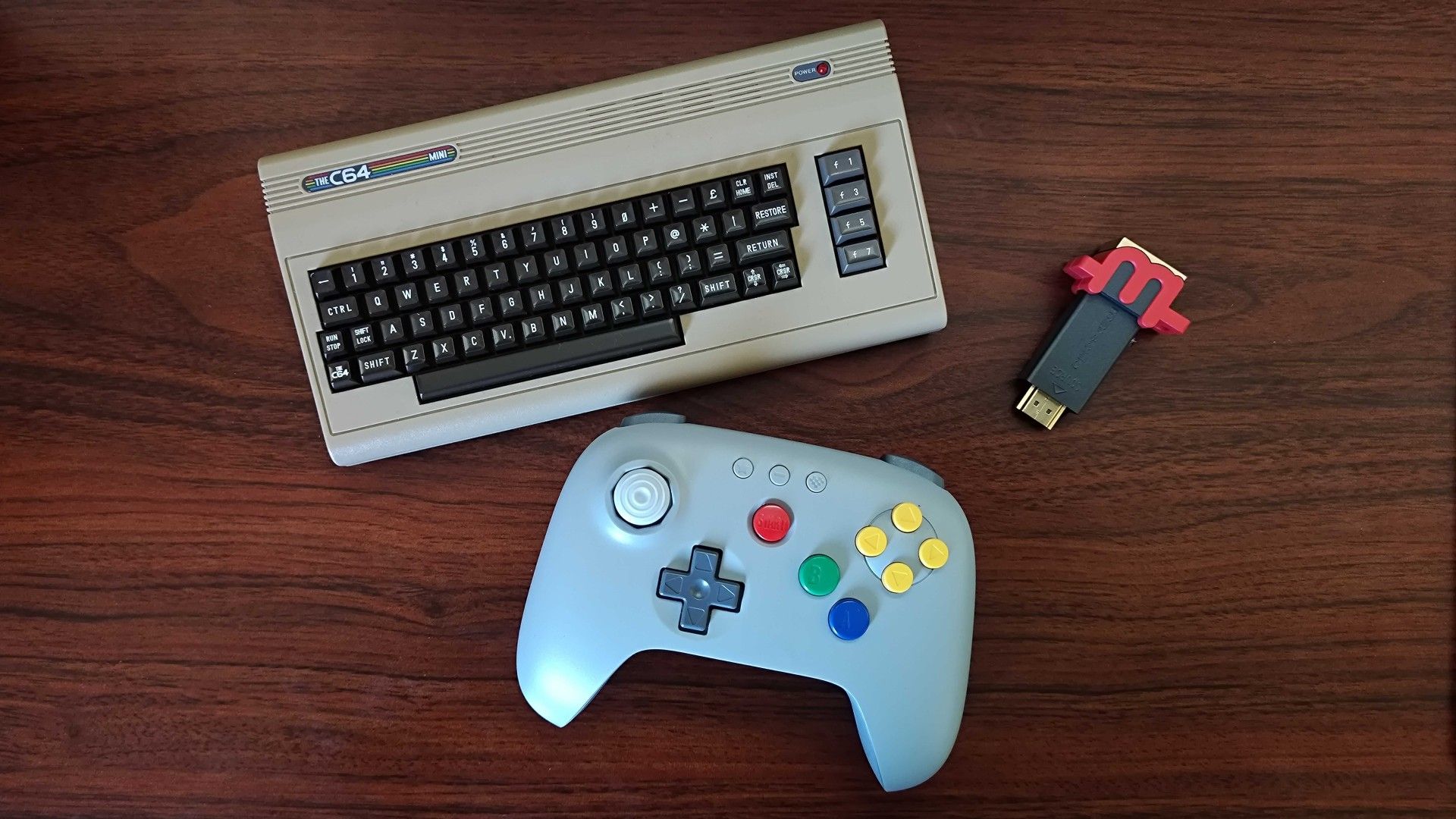
Woot is running a retro gaming sale with an extra 20% off at checkout using promo code GAMER20, with several items already sold out. The article highlights record-low prices on nostalgic gaming hardware, including upscalers, controllers, console remakes, and mini arcade machines. The tone is positive for bargain-seeking consumers, but the piece is primarily a retail/deals roundup with limited broader market impact.
This reads less like a broad consumer-demand signal and more like a microcap-style liquidation of stale gaming inventory. The immediate winners are marketplace operators and distributors with deep clearance channels, because the promo structure suggests retailers are prioritizing cash conversion and shelf reset over margin preservation. That usually creates a short-lived boost in sell-through for legacy hardware/accessories, but it is also a warning that certain SKUs are approaching end-of-cycle pricing and will likely see a second markdown wave if inventory does not clear within the next 2-6 weeks.
The second-order effect is competitive pressure on premium accessory brands and smaller gaming peripheral makers: once consumers anchor on steep discount levels for controllers, chargers, and retro units, full-price attach rates deteriorate across the category. That can ripple into weaker gross margin realization for third-party gaming brands and slower replenishment orders at the channel level, especially heading into a period where discretionary spend is still fragile. In practice, this is more bearish for lower-quality consumer tech names with weak brand equity than for first-party platform holders.
The contrarian takeaway is that the strongest signal is not enthusiasm, but scarcity management. If record-low pricing still doesn’t clear stock quickly, it suggests demand elasticity is weaker than the headline tone implies, and the category may need broader promo intensity into the next quarter. Conversely, if sell-through is brisk, it validates that retro gaming is still a resilient subsegment within discretionary spend, supporting names with high-margin accessory ecosystems and collectibles exposure.
For public markets, the cleanest expression is to be cautious on consumer electronics retailers and accessory-heavy vendors into the next earnings cycle, because promotional cadence can mask underlying unit weakness for 1-2 quarters before margin compression shows up. If this is part of a wider markdown trend, the better-positioned names are those with strong OEM ecosystem lock-in and less reliance on third-party hardware turnover.
AI-powered research, real-time alerts, and portfolio analytics for institutional investors.
Request DemoOverall Sentiment
mildly positive
Sentiment Score
0.20
