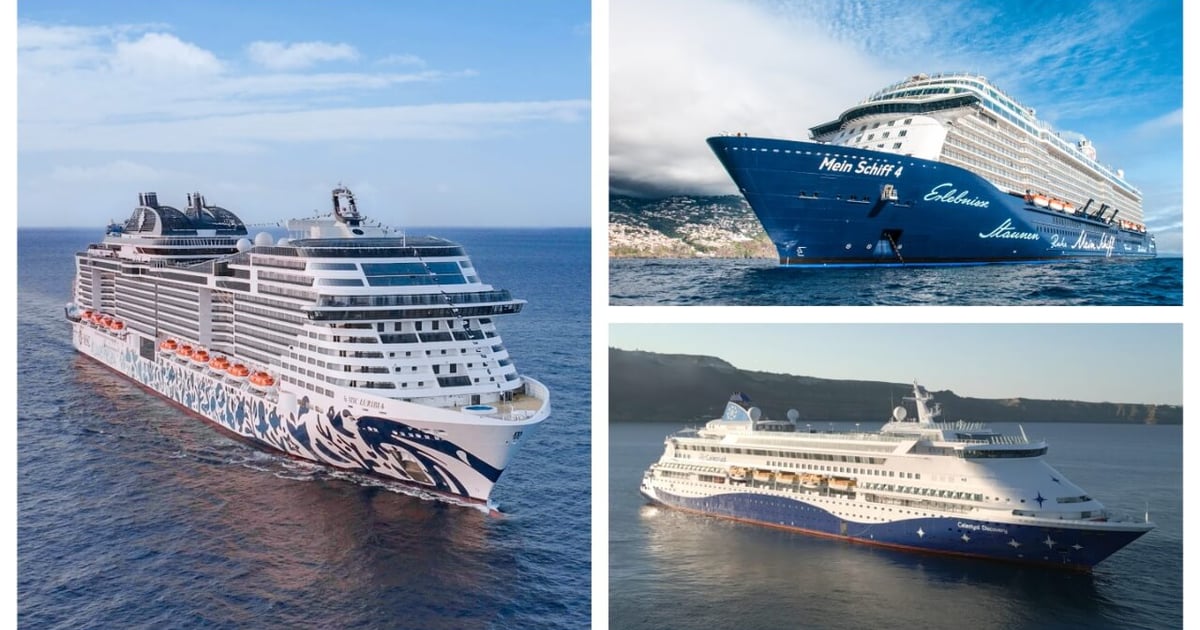
Five of six cruise ships stranded in the Arabian Gulf cleared the Strait of Hormuz, including MSC Euribia, Mein Schiff 4, Mein Schiff 5, Celestyal Discovery and Celestyal Journey. Aroya Manara appears to remain in the Gulf, with AIS data showing a departure from Dammam and a possible route to Fujairah, though the feasibility is unclear after Iran said it reimposed strict control of the strait. MSC said Northern Europe sailings remain on schedule, while affected passengers can transfer canceled cruises to the first Kiel departure on May 16.
The immediate market read is not cruise-line idiosyncratic risk; it is a temporary de-risking of the wider Gulf logistics stack. The real second-order beneficiary is marine insurance and regional air/sea mobility: every additional day of perceived Strait fragility pushes up war-risk premia, reroutes cargo, and compresses utilization for carriers that rely on Gulf turnarounds. That tends to favor firms with flexible asset deployment and pricing power, while punishing operators exposed to fixed itineraries and passenger goodwill.
The key nuance is that the opening/closing of the corridor is binary operationally but nonlinear financially. Even a brief “safe passage” window can unlock backlog clearance, yet the reimposition of control means the market should price a higher probability of intermittent disruption for weeks, not days. That raises the odds of selective cancellations, lower load factors on premium leisure itineraries, and knock-on softness in destination ports, ground handling, and regional tourism spend.
From a trading perspective, the better expression is not chasing the cruise names themselves but isolating the supply-chain hedge. Defense and maritime-security proxies can outperform if escalation persists, while airlines with Middle East exposure face a more asymmetric fuel and rerouting shock than the cruise operators who can simply cancel sailings. The contrarian point: if the corridor remains technically passable, the equity market may overestimate the earnings damage to cruise lines, because most of the economic hit shows up as deferred voyages rather than permanent demand destruction.
Catalyst timing is short: the next 1-2 weeks will be driven by AIS movement, naval advisories, and whether additional commercial vessels are targeted. If incidents stay isolated, the trade reverses quickly; if ship attacks broaden, risk premia can reset for months and spill into insurance, ports, and regional consumer travel.
AI-powered research, real-time alerts, and portfolio analytics for institutional investors.
Request TrialOverall Sentiment
neutral
Sentiment Score
-0.05
