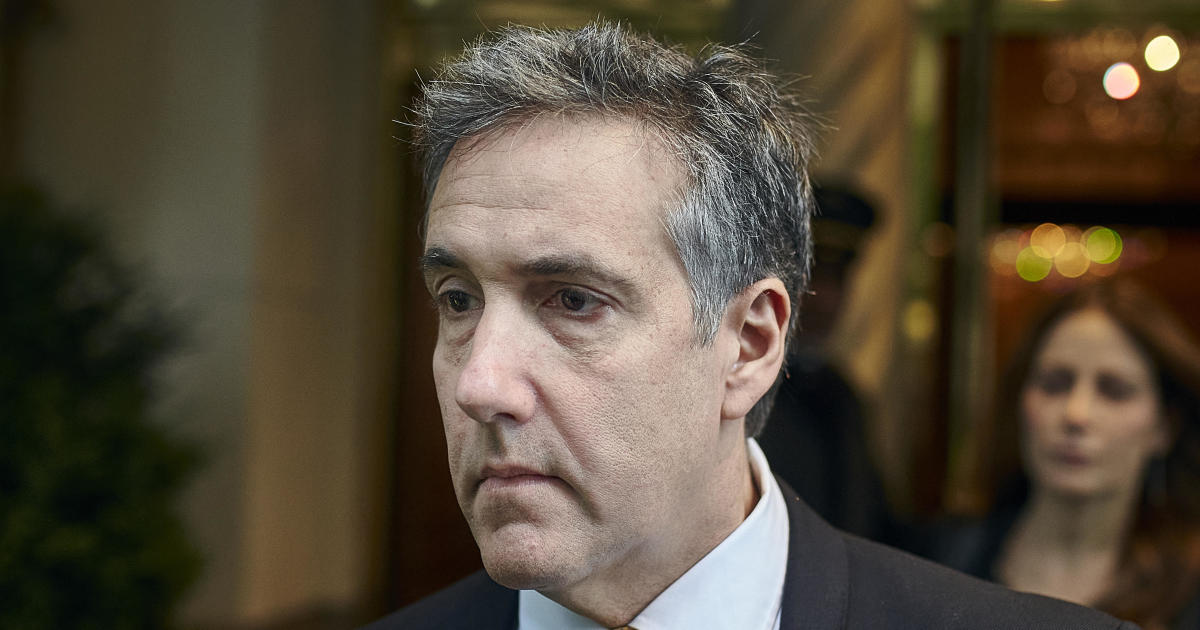
Michael Cohen says he will apply for compensation from the Justice Department's new $1.776 billion 'anti-weaponization fund,' which was created as part of a settlement tied to President Trump's IRS tax-return lawsuit. The article is primarily about a politically charged legal and policy dispute rather than a market-moving corporate or macro event. It may attract some attention around DOJ process and political fallout, but direct market impact appears limited.
This is less about the claim itself and more about the normalization of pay-for-redress optics inside the DOJ. Once a compensation mechanism is created for politically framed grievances, the marginal applicant set expands quickly from credible damages cases to reputational arbitrage, which raises the probability of noisy headlines, document fights, and procedural delays over the next 3-9 months. That creates a persistent overhang for anyone tied to the administration because every denial becomes a fresh media event and every approval invites accusations of favoritism.
The second-order winner is not a specific listed equity but the ecosystem around political risk: legal services, crisis communications, and event-driven short-vol strategies in media and online ad names that trade on headline intensity. The loser is institutional trust in DOJ process, which may matter more for policy transmission than for direct market impact; if market participants begin to price a higher regime premium for rule-of-law uncertainty, that can widen discount rates on sectors with regulatory exposure, especially defense, healthcare, and financials over the medium term.
The main catalyst is procedural, not judicial: who files, who gets approved, and whether the panel establishes a narrow standard or a broad one. A broad interpretation would invite dozens of applicants and keep the story alive into year-end, while a narrow denial list could deflate it within weeks. The tail risk is a partisan escalation loop that drags other agencies into lawsuits and subpoenas, but absent a concrete legal change, the equity impact remains mostly sentiment-driven and likely fades after the next news cycle.
Contrarian take: the market may be overestimating the direct investable consequence and underestimating how quickly this becomes background noise unless it touches a major listed company or triggers a formal ethics probe. For now, the better expression is to trade volatility around political headline clusters rather than a directional macro thesis.
AI-powered research, real-time alerts, and portfolio analytics for institutional investors.
Request DemoOverall Sentiment
neutral
Sentiment Score
-0.05
