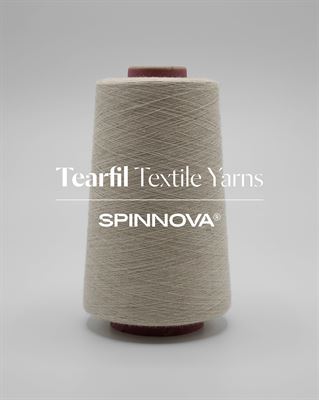
Spinnova has signed a non-binding Letter of Intent with Portuguese yarn spinner Tearfil to secure future volumes of SPINNOVA® fibre and develop yarn blends for the European market, as part of a broader effort to build a consortium to scale fibre availability. The deal reinforces commercial adoption pathways for Spinnova’s patented mechanical cellulose‑based fibre—positioned as low‑CO2, low‑water, biodegradable and recyclable—and signals a step toward industrialisation without disclosing material financial terms. Spinnova is listed on Nasdaq First North Growth Market Finland.
Market structure: The LOI materially benefits Spinnova (SPINN) and Tearfil as early incumbents in sustainable cellulosic yarns, and consumer brands seeking near-term ESG differentiation; incumbent commodity polyester/viscose suppliers face margin pressure if SPINNOVA® scales. Near-term pricing power is limited—expect a 10–40% premium for certified SPINNOVA® blends in year 1–2, widening only if volumes exceed ~1,000 tpa. Supply/demand: volumes remain constrained; this LOI signals demand intent but not immediate supply shock—meaning slow share shifts over 12–36 months unless capex is funded.
Risk assessment: Tail risks include scaling failure (mechanical process bottlenecks), IP disputes, or pulp feedstock shortages; each could wipe out >70% equity value in a small-cap like SPINN within 12 months. Immediate impact is negligible (days); short-term (3–12 months) depends on binding contracts and pilot shipments; long-term (1–3 years) value derives from signed multi-year offtakes and licensed tech. Hidden dependencies: access to certified wood pulp, EU textile brand adoption, and Tearfil’s manufacturing capacity are single points of failure. Key catalysts: first commercial shipments (0–3 months), binding offtakes >1k tpa (3–12 months), and announced financing/scale-up capex (6–18 months).
Trade implications: Direct play: small, tactical long in SPINN (1–3% NAV small-cap slot) with tight stop-loss due to binary outcomes; consider equity replacement via 12–18 month call options if available. Pair trade: long SPINN/UPM.HE (UPM-Kymmene) and short commodity polyester exposure (e.g., large polymer-integrators) over 12–24 months to capture premium compression. Options: use long-dated call spreads to cap downside while keeping upside if adoption accelerates; size total options exposure <1% NAV.
Contrarian angles: The market may overstate near-term commercialisation—the LOI is non-binding and volumes could be immaterial for 6–18 months; historical parallels (Lyocell/Tencel adoption) show multi-year adoption curves and brand fatigue on cost pass-through. Unintended consequences: rapid scale could trigger scrutiny over pulp sourcing/land use, countering ESG benefits. Therefore require objective triggers (shipments, binding volumes, financing) before scaling long exposure above pilot levels.
AI-powered research, real-time alerts, and portfolio analytics for institutional investors.
Request DemoOverall Sentiment
mildly positive
Sentiment Score
0.30
