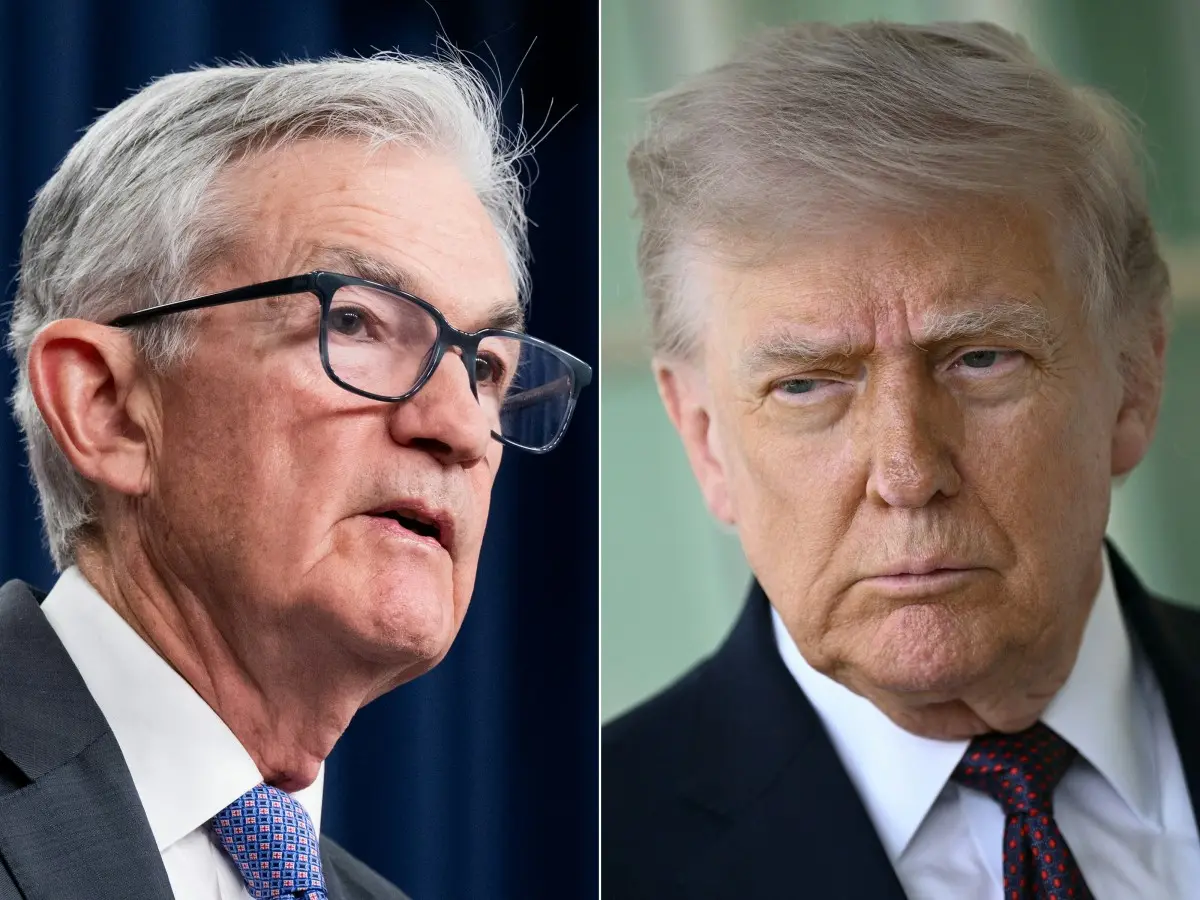
The FOMC is widely expected to hold the federal funds rate steady at 3.5% to 3.75% at its April 28-29 meeting, with markets now pricing only a 35% chance of a single 25 bps cut in 2026. Inflation remains above target at 3.3% YoY in March, while Brent crude near $110/bbl and the West Asia war are keeping energy prices and inflation elevated. Powell is likely at his final meeting as Fed Chair, with Kevin Warsh set to replace him on May 15 amid renewed pressure from Trump for rate cuts.
The market is still treating this as a one-meeting non-event, but the real signal is that policy is becoming hostage to exogenous supply shocks rather than domestic demand. That matters because sticky energy-driven inflation raises the probability that the Fed stays higher-for-longer even if activity softens, which is a bearish mix for rate-sensitive assets and a positive setup for the USD versus cyclical and emerging-market exposures. In other words, the near-term direction of travel is less about the current statement and more about how long inflation expectations can remain anchored if crude stays near current levels.
The second-order winner is not simply energy producers; it is volatility. A regime where the market prices only a low probability of cuts but still faces recession-risk labor data tends to steepen the left tail in rates and equities, lifting demand for duration hedges and equity downside protection. Banks with liability-sensitive funding profiles are less immediately exposed than homebuilders, REITs, and consumer discretionary names, but the broader credit complex can still reprice if the Fed’s credibility is perceived as being in transition right before a leadership handoff.
Warsh’s prospective arrival adds a political overlay that could matter more in six to twelve months than at the next meeting. If investors believe the Fed’s reaction function becomes more growth-tolerant or politically responsive, breakevens could drift higher even without an actual cut, because the market will discount a softer inflation regime only after evidence, not rhetoric. That creates an interesting asymmetry: front-end yields may not fall much, but longer-dated inflation risk premiums can rise if the new chair is perceived as less committed to restrictive policy.
The consensus may be underestimating how quickly energy can transmit into broader goods and services inflation through transport, chemicals, and wage demands. That argues for caution on anything priced off a clean disinflation path, especially if Brent remains elevated for another 6-8 weeks. The cleaner contrarian trade is not a pure rates bet; it is a barbell against policy uncertainty and energy persistence.
AI-powered research, real-time alerts, and portfolio analytics for institutional investors.
Request DemoOverall Sentiment
neutral
Sentiment Score
-0.10
Ticker Sentiment
