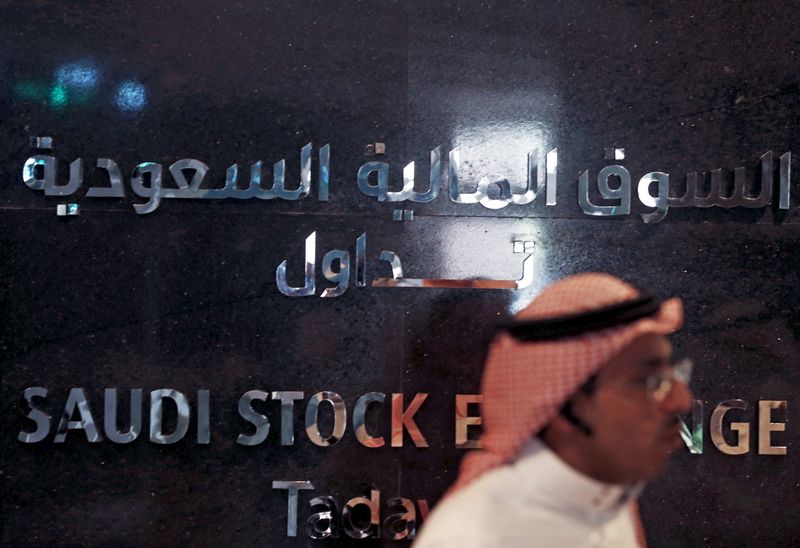
Gulf equities slipped as the U.S.-Israeli war with Iran entered its third week: Saudi index -0.1% (Saudi National Bank -1.3%, Saudi Aramco +0.7%), Qatar -0.2% (QNB -1.3%), Bahrain -0.5%, Kuwait -0.1%, Oman -0.4%. Egypt's blue-chip index fell 1.9% with Commercial International Bank down 2.6%. The conflict has disrupted energy flows and pushed crude higher amid attacks around the Strait of Hormuz, and Formula One canceled the Bahrain and Saudi Grands Prix scheduled for April over security concerns.
The near-term shock to Gulf logistics is amplifying a wedge between physical transport economics and headline oil supply — longer voyages and higher war-risk premiums will mechanically lift spot tanker rates and freight differentials for the next 4–12 weeks even if crude production capacity remains intact. That dynamic benefits owners of VLCCs and the P&I/reinsurance ecosystem while imposing a ~2–6% drag on refined product margins and trade-dependent services in the region as routing adds voyage days and cost per barrel.
On the regional balance-sheet front, expect a two-speed effect: sovereign hydrocarbon cash flows provide buffer capacity, but higher funding needs (event-driven security spending, event cancellations, and potential FX liquidity substitution) increase the probability of granular banking stress in the 1–6 month window — banks with large short-term wholesale funding or USD-linked liabilities are the most exposed. Simultaneously, the cancellation of discretionary events compresses near-term tourism receipts and transient F&B revenue, pressuring listed hospitality and consumer names for at least one quarter.
Market-structure consequences are also important: implied volatility in energy and marine insurance is the path of least resistance higher, creating favorable conditions for premium sellers in very liquid, hedged formats and for long convexity on short-dated energy call spreads. Political/diplomatic de-escalation or a tactical increase in regional crude exports are the two primary reversal catalysts; if either occurs within 2–8 weeks, expect rapid mean reversion in freight and regional equities but a more gradual normalization of insurance pricing over 6–12 months.
AI-powered research, real-time alerts, and portfolio analytics for institutional investors.
Overall Sentiment
mildly negative
Sentiment Score
-0.35
