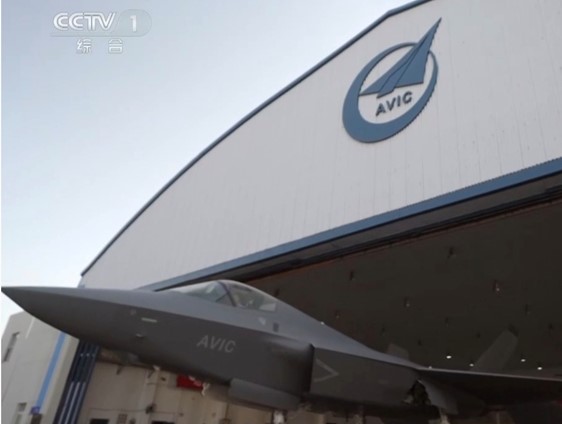
China's J-35 stealth fighter, marked "0001" and bearing AVIC branding, was presented in CCTV footage as a likely export version, suggesting the aircraft has entered a pre-delivery or export-ready stage. The report implies the J-35A could become China's next major export fighter, with design cues such as single-wheel nose gear and unpainted finish pointing to land-based export use rather than PLA service configuration. Market impact is limited, but the news reinforces China's growing defense export ambitions and fifth-generation fighter capabilities.
The investable signal is not the airframe itself but the transition from prototype signaling to export commercialization. If this is a pre-delivery export configuration, it implies China is moving from showcase capability to an addressable market where after-sales support, avionics integration, spares, and weapons packages become the real margin pool. That shifts value creation away from the platform headline and toward the broader industrial ecosystem: engines, AESA radar, EW suites, mission systems, MRO, and munitions.
The second-order effect is competitive pressure on legacy Western suppliers in the under-served mid-tier fighter market. A credible stealth export option at a lower sticker price can force discounts on non-US Western platforms and compress the lifetime economics of programs that rely on upgrade cycles rather than new-build orders. The more important channel is geopolitical: export fighters often come with training, software support, and long-dated logistics commitments, which can deepen China’s influence in buyer states and create recurring revenue streams that are less visible than aircraft deliveries.
The near-term catalyst is mostly narrative-driven over the next 1-3 months, but the actual monetization window is 12-36 months and depends on whether a real export contract is signed rather than just displayed. Tail risk is execution: stealth export customers tend to demand proven combat performance, secure engine supply, and politically dependable sustainment; any indication of engine bottlenecks or sanctions-related component constraints would delay adoption materially. A further risk is that a visible export push invites faster countermeasures from US allies, including financing, maintenance, and training packages that can neutralize initial price advantage.
Consensus may be underestimating how much of the value accrues to the industrial policy stack rather than the fighter badge. The market often extrapolates defense headlines into a generic China-defense bull case, but the cleaner trade is around domestic suppliers with recurring content per aircraft and foreign-policy leverage, not the platform OEM alone. If exportability is real, the upside is more durable than a one-day headline pop because it broadens the installed base and increases software and sustainment revenue visibility.
AI-powered research, real-time alerts, and portfolio analytics for institutional investors.
Request DemoOverall Sentiment
mildly positive
Sentiment Score
0.25
