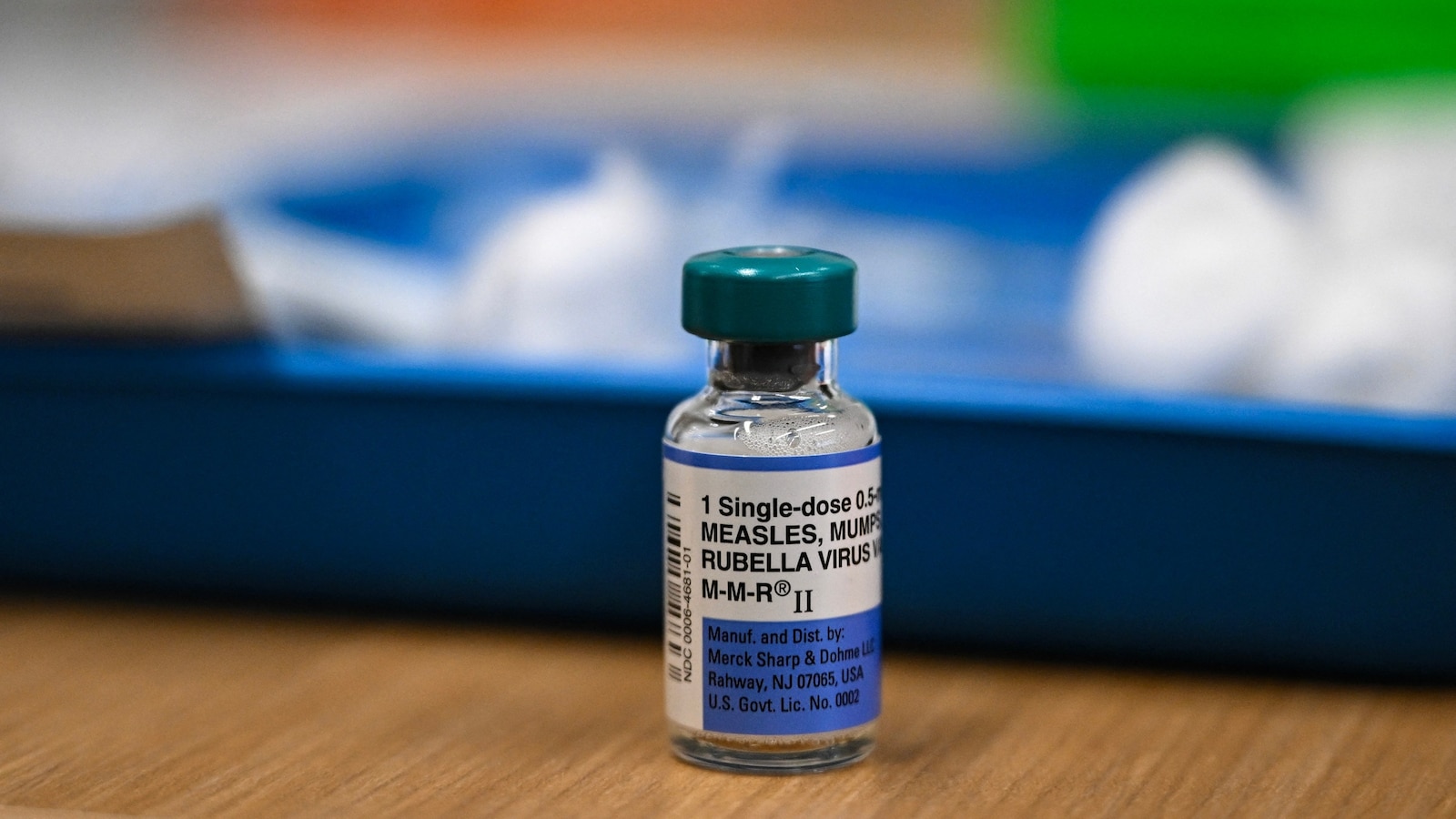
U.S. measles cases have reached 2,012 as of Dec. 23, the highest annual total since 1992, with confirmed cases in 43 states and 24 cases among international visitors. The CDC reports 11% of patients were hospitalized (over half under age 19), about 93% of cases are among unvaccinated or vaccination-status-unknown individuals, and there have been 50 outbreaks in 2025 versus 16 in 2024; a notable cluster in Spartanburg County, South Carolina accounts for the bulk of local cases and school quarantines. Vaccination coverage has slipped — kindergarten MMR uptake was 92.5% in 2024-25 versus 95.2% in 2019-20 — raising public-health risks and potential localized disruptions to schools and labor availability.
Market structure: Winners are vaccine manufacturers (Merck - MRK) and diagnostics/lab services (Abbott - ABT, QuidelOrtho - QDEL) from near-term catch-up MMR demand and increased testing; pediatric hospitals and telehealth (Teladoc - TDOC) see higher utilization. Losers are regional travel/leisure (airlines AAL, UAL, regional tourism REITs) and K–12 dependent local services where school quarantines compress activity; insurers (UNH, CI) face modest short-term claim pressure. Expect a 3–12 month spike in demand for vaccines and pediatric care, but limited pricing power due to government procurement and existing two-dose schedule.
Risk assessment: Tail risks include a larger epidemic expanding into low-vax adult pockets (low-probability, high-impact) that could trigger state-level mandates, litigation, or supply rationing; this would materially lift MRK revenues over 6–18 months. Immediate (days) risk is localized school closures and travel pullbacks; short-term (weeks/months) is elevated hospitalizations (11% hospitalized here) and diagnostic volumes; long-term (quarters) is normalization to pre-outbreak vaccination cadence. Hidden dependencies: state policy changes, school-entry vaccine laws, and CDC procurement budgets will drive sustained flows, not case counts alone.
Trade implications: Tactical: establish small overweights in MRK (1–2% portfolio) and ABT/QDEL (1% each) to capture 6–12 month catch-up immunization and testing demand; hedge with 3-month put spreads on AAL/UAL sized 0.5–1% to capture travel downside. Use call-spreads on MRK (6–12 month) to limit capital and buy-calendar spreads on QDEL around earnings. Rotate +3–5% into healthcare (pharma/diagnostics/hospitals) funded by -2% leisure/airline exposure over next 4–12 weeks.
Contrarian angles: Consensus assumes durable vaccine demand; history (1992) shows post-outbreak reversion within 6–12 months — upside for MRK may be capped and already partly priced. Risk of amplified anti-vax politicization could depress uptake, hurting vaccine growth; conversely rapid government bulk buys could deliver one-time revenue spikes but minimal recurring uplift. Look for state-level mandate votes and CDC procurement notices in next 30–90 days as decisive catalysts.
AI-powered research, real-time alerts, and portfolio analytics for institutional investors.
Request DemoOverall Sentiment
moderately negative
Sentiment Score
-0.30
