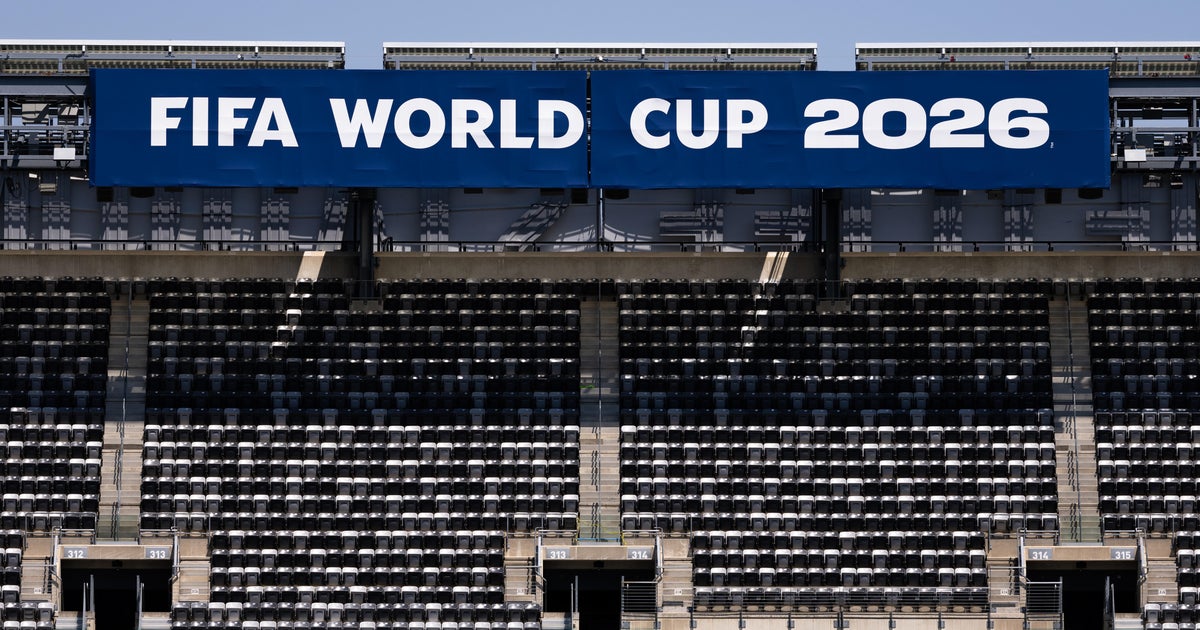
New York City secured 1,000 World Cup tickets for residents at $50 each through a lottery, with winners also receiving free round-trip bus transportation and up to two tickets per person. The program opens Monday at 10 a.m., runs for six days, and caps entries at 50,000 per day, with winners notified on June 3. The effort lowers access costs versus resale prices, where the cheapest group-stage tickets are $553 and final tickets are $7,734.
This is a small-dollar policy gesture with outsized signaling value: it reframes a premium, internationally scarce event as a politically accessible civic good, which should modestly improve local demand elasticity for ancillary spending rather than materially change event economics. The more interesting second-order effect is on the local mobility stack—transit operators and app-based transportation providers may see a small but concentrated uplift around match windows as lower-ticket winners still need to complete the last-mile journey, and the free bus component creates a controlled funnel that may reduce some ride-hail demand near the venue while increasing pre/post-event transit congestion.
The biggest beneficiaries are likely non-ticket adjacent consumer categories that capture “day-out” spend: food/beverage, convenience retail, and local entertainment clustered around transit nodes and fan zones. Because access is rationed by lottery and eligibility checks, the marginal impact on broad demand is limited; however, the story reinforces that pricing power in premium live events remains intact, which keeps pressure on discretionary households and preserves the premiumization trend for the rest of the ticket market.
Contrarian angle: the headline risk is not demand destruction but political substitution. If this kind of targeted affordability measure becomes a template, organizers and municipalities could face incremental pressure to allocate more inventory at subsidized prices in future mega-events, which would subtly cap secondary-market monetization. For now, the move is too small to matter financially, but it is a useful indicator that policymakers are willing to intervene when public optics around sports pricing become too extreme.
Catalyst horizon is days to weeks, not months: expect a short-lived bump in local transit, travel, and hospitality sentiment around lottery launch, then normalization. The key reversal would be broader affordability backlash or operational friction if verification, distribution, or bus logistics create negative press; that would dilute the intended goodwill and could raise scrutiny on future event pricing and allocation decisions.
AI-powered research, real-time alerts, and portfolio analytics for institutional investors.
Request DemoOverall Sentiment
mildly positive
Sentiment Score
0.15
