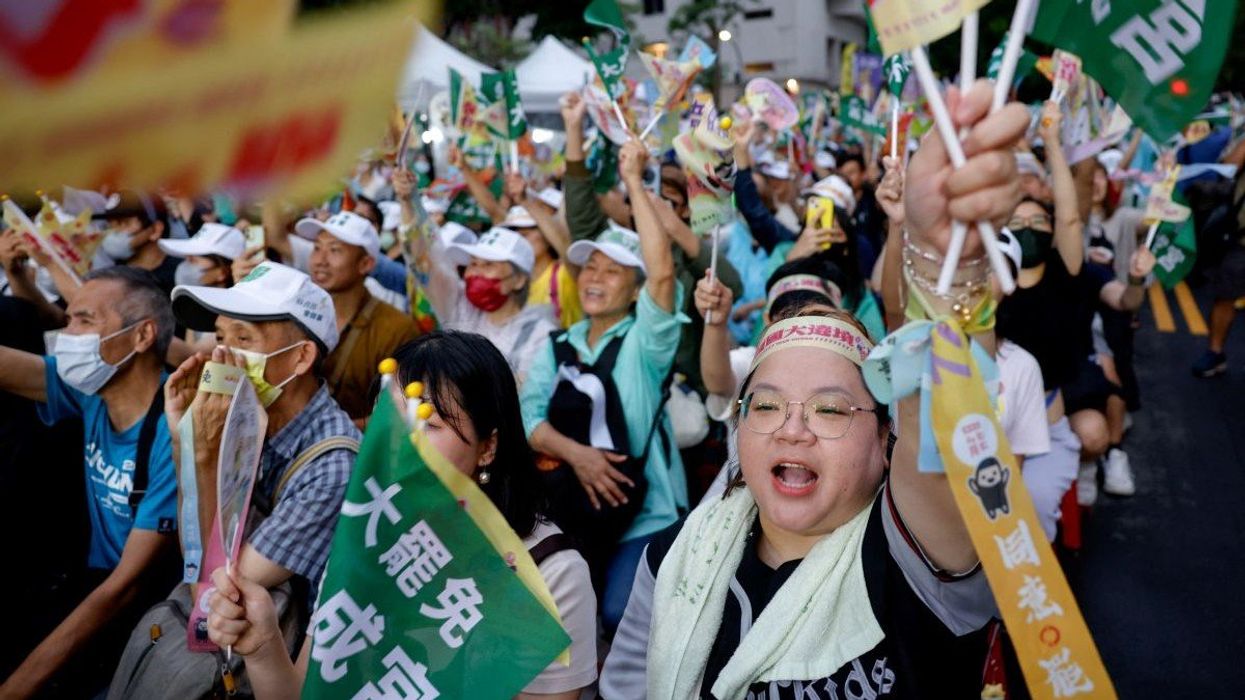
Taiwan is conducting unprecedented mass recall elections this Saturday, targeting 24 opposition Kuomintang (KMT) lawmakers, in a strategic move by the ruling Democratic Progressive Party (DPP) to regain its legislative majority. This initiative aims to break political gridlock, enabling President Lai's administration to advance its agenda, including critical defense and foreign affairs spending, following last year's loss of parliamentary control. The outcome, which requires high turnout and faces uncertainty given the KMT's strong district support, will significantly impact Taiwan's domestic political stability and its policy direction amidst ongoing tensions with Beijing, potentially setting a new precedent for political activism.
Taiwan is facing an unprecedented political event with a mass recall election targeting 24 lawmakers from the opposition Kuomintang (KMT) party, a move with significant implications for legislative control and policy direction. The recall initiative, supported by President William Lai's Democratic Progressive Party (DPP), is a direct response to the political gridlock that has characterized the legislature since the DPP lost its majority. The opposition has been actively blocking the President's agenda, including critical spending on defense and foreign affairs. The outcome hinges on stringent voting requirements, including a turnout threshold of over 50% in each district, making success uncertain. Analysts note that many targeted districts are KMT strongholds, suggesting that even successful recalls could result in another KMT lawmaker winning the subsequent by-election. The event carries a significant geopolitical dimension, as the DPP frames the recall as a move to counter pro-Beijing influence from the KMT, which is more open to reunification. A successful recall could empower President Lai's administration but risk deepening partisan divisions, while a failure may force the DPP into greater compromise with the opposition. Regardless of the outcome, experts warn this could establish legislative recalls as a recurring tool in Taiwanese politics, potentially signaling a new era of heightened political instability.
AI-powered research, real-time alerts, and portfolio analytics for institutional investors.
Request DemoOverall Sentiment
mixed
Sentiment Score
-0.15
