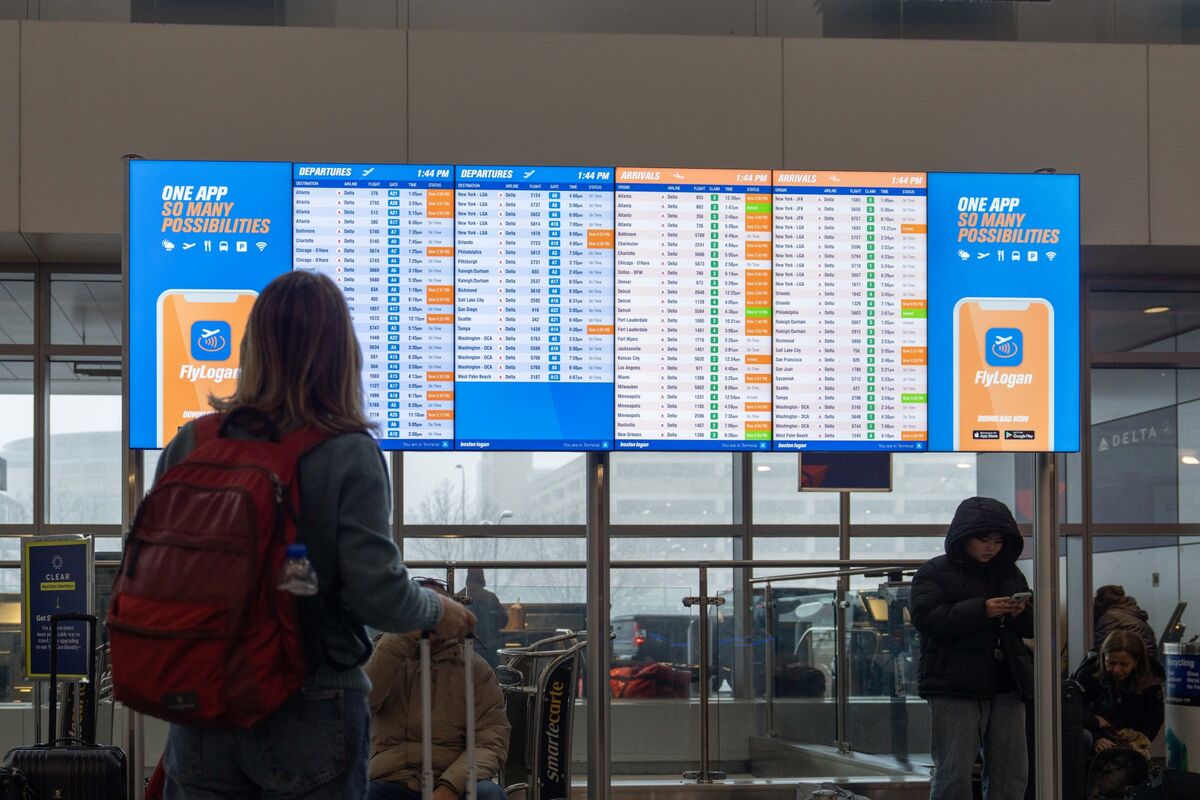
The Trump administration is moving to rescind proposed regulations requiring airlines to compensate passengers and provide free rebookings for non-weather-related flight delays and cancellations. The US Department of Transportation will withdraw a Biden-era Advance Notice of Proposed Rulemaking that sought to mandate airlines pay at least $200 for domestic delays over three hours. This action, reversing a consumer protection initiative, could significantly reduce financial liabilities for airlines, impacting their operational costs and profitability.
The Trump administration's move to withdraw a proposed Biden-era airline compensation rule represents a significant deregulatory tailwind for the U.S. transportation sector. The specific rule, an Advance Notice of Proposed Rulemaking from December 2024, would have mandated airlines pay passengers at least $200 for domestic delays exceeding three hours due to non-weather issues, in addition to providing free rebookings. By eliminating this pending regulation, the Department of Transportation removes a substantial potential financial liability and a source of future margin pressure for the entire airline industry. This action averts a direct increase in operational costs that would have been associated with compensating for flight disruptions, a development viewed as moderately positive by the market. The decision shifts the financial risk of operational delays away from carriers and back to consumers, directly benefiting airline profitability.
AI-powered research, real-time alerts, and portfolio analytics for institutional investors.
Request DemoOverall Sentiment
moderately positive
Sentiment Score
0.45
