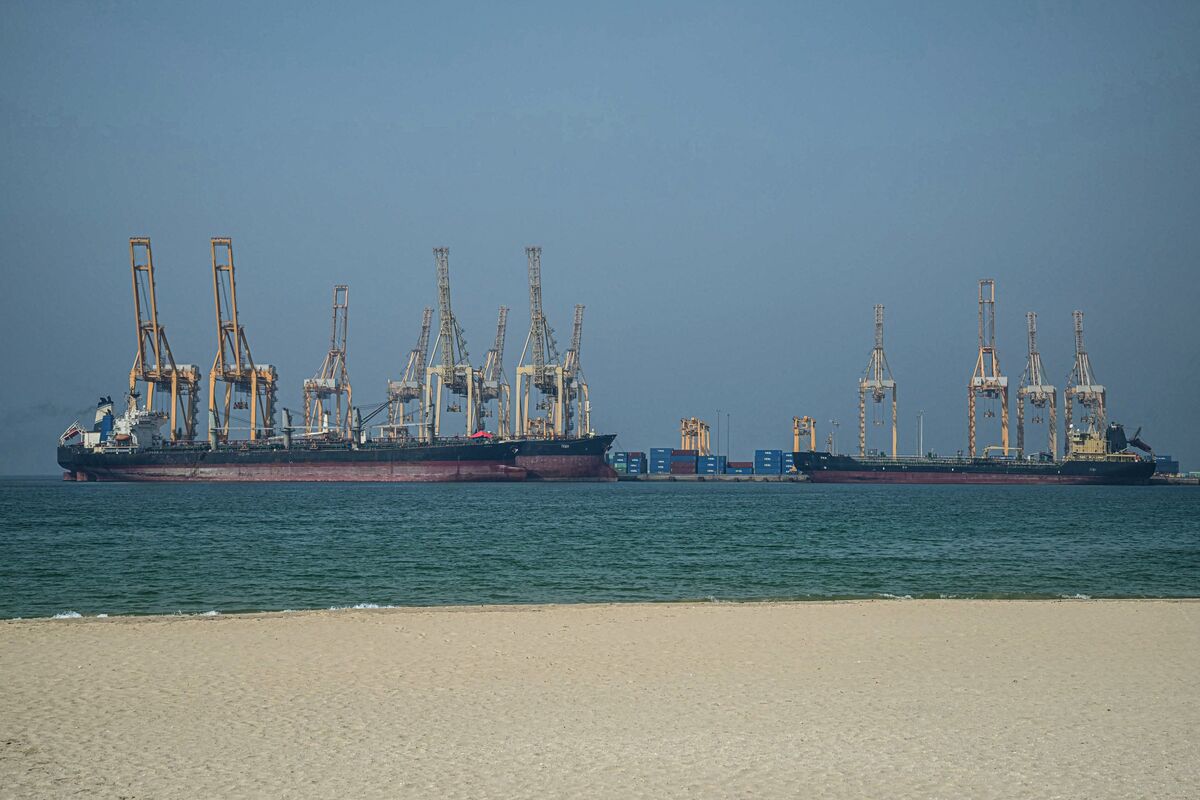
Oil shipments from the Persian Gulf via the critical Strait of Hormuz, handling a fifth of global oil, plunged 45% on Monday amid heightened security concerns, though flows are now set to recover sharply. This significant, albeit temporary, disruption underscores the ongoing geopolitical risks impacting vital global energy chokepoints.
Oil flows from the Persian Gulf experienced a significant disruption on Monday, with outbound tanker shipments through the Strait of Hormuz plunging 45% compared to the monthly average, according to vessel-tracking data. This sharp, albeit temporary, decline highlights the acute sensitivity of global energy logistics to regional security concerns, as shipowners react to perceived threats in a waterway that handles a fifth of the world's oil supply. While flows are reportedly set to recover sharply, the event serves as a potent reminder of the inherent volatility and high geopolitical risk premium associated with this critical chokepoint. The high market impact score of 0.8 underscores the incident's systemic importance, signaling that even short-lived disruptions can have immediate and significant implications for energy market stability.
AI-powered research, real-time alerts, and portfolio analytics for institutional investors.
Request DemoOverall Sentiment
mixed
Sentiment Score
0.00
