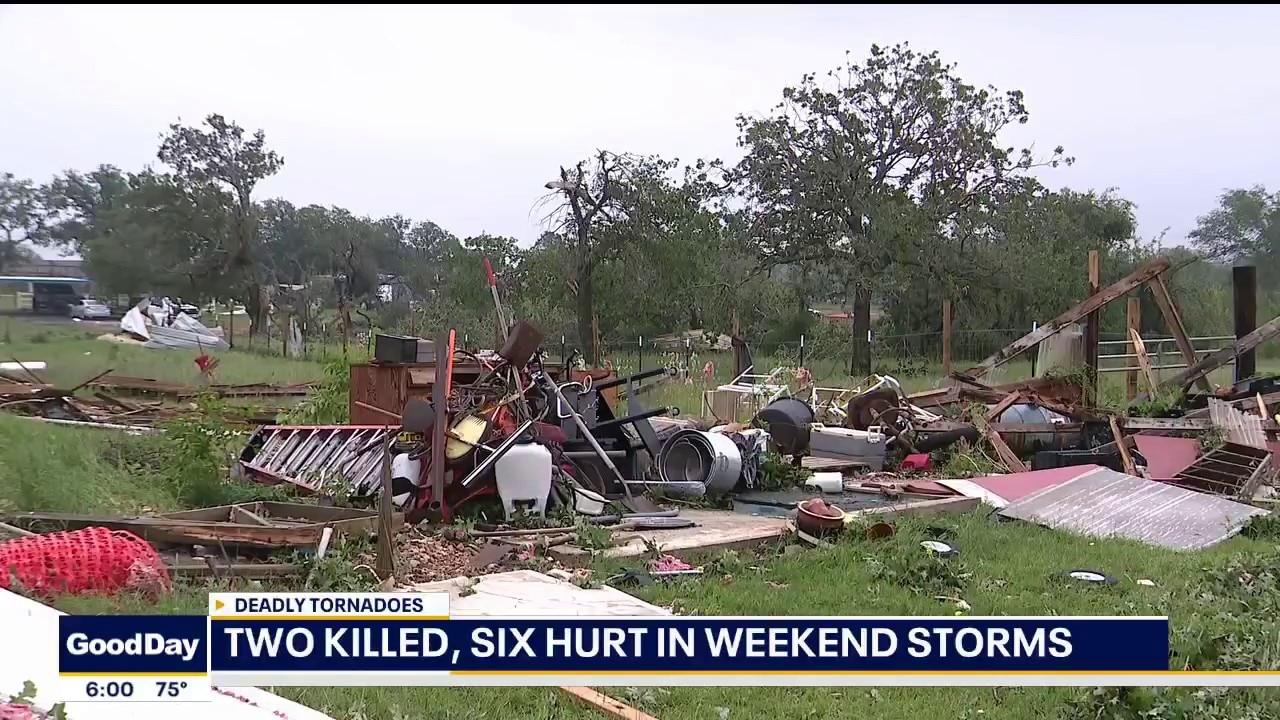
Two tornadoes were confirmed in North Texas, including an EF-2 in Wise County with peak winds of 135 mph and an EF-1 in Parker County with winds near 105 mph. The storms left 2 dead, at least 6 injured, and 20 families displaced, with additional widespread power outages and damage prompting school closures and disaster declarations. Severe weather risk returns Tuesday, with threats of tornadoes, hail, and high winds still elevated northeast of DFW.
This is a classic short-duration volatility shock with a medium-duration earnings bridge. The immediate winners are the firms that monetize emergency response, grid restoration, roofing, tree removal, temporary housing, and insurance claims processing; the losers are lower-tier local utilities, auto insurers with concentrated Texas exposure, and any contractor-heavy project timelines that depend on labor availability in the affected corridor. The second-order effect is more important than the headline damage: even modest tornado events can create a 2-6 week bottleneck in localized electrical and roofing capacity, which inflates service pricing and pushes claims severity above initial estimates.
For markets, the key catalyst is whether this weather regime becomes a multi-event pattern rather than a one-off. The next 7-10 days matter for incremental insured losses and outage duration; the next 1-3 months matter for loss development, reserve pressure, and whether small-business interruption claims ripple into regional credit performance. If subsequent storms hit the same counties before cleanup is complete, replacement costs rise nonlinearly because labor, transformers, and building materials get repriced on scarcity, not just on damage.
The contrarian miss is that investors often treat weather as a pure catastrophe-basket buy, but the more asymmetric trade is on underappreciated claims leakage and service congestion. That favors diversified insurers with weak Texas concentration and hurts those with outsized homeowners books in storm-prone suburban corridors. On the infrastructure side, repeated severe weather is not just a repair spend story; it is a reliability narrative that can accelerate capex at utilities and transmission vendors, even if near-term margins compress.
The cleanest setup is a short-dated volatility expression rather than a directional macro bet. If the pattern turns more active into Tuesday/late week, the reaction should be larger in regional names than in broad indices because the market can price aggregate weather risk only after it sees back-to-back events. The best risk/reward is to own the “picks and shovels” of recovery while fading insurers most exposed to Texas wind/hail loss ratios.
AI-powered research, real-time alerts, and portfolio analytics for institutional investors.
Request DemoOverall Sentiment
strongly negative
Sentiment Score
-0.60
