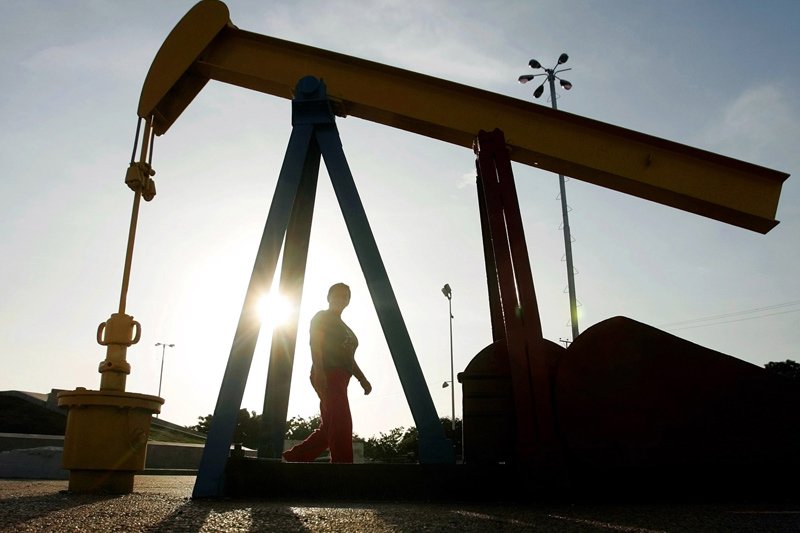
South Korea’s CPI rose 2.6% year over year in April, up from 2.2% in March and the fastest pace in nearly two years, with monthly CPI rising 0.5%. Petroleum product prices jumped 7.9% and international airfares surged 13.5%, increasing pressure on the Bank of Korea to consider rate hikes later this year, potentially by July. The inflation pickup was partly driven by oil-price spikes tied to Middle East tensions.
The key market implication is not simply higher Korean inflation, but a faster transmission from imported energy shocks into local rate expectations. That tends to steepen the short end of the curve first, which is usually more painful for domestic rate-sensitive sectors than for export-heavy cyclicals; banks can look like a beneficiary on wider net interest margins, but only if credit demand and asset quality hold. The policy window matters: once a central bank starts signaling hikes within a 1-2 quarter horizon, markets tend to reprice before the first move, so the near-term trade is often in duration-sensitive assets rather than the CPI print itself.
For ING, the read-through is more nuanced than a simple “higher rates are good for banks” take. In inflation shocks driven by geopolitics and energy, deposit betas can rise faster than loan yields in Europe, while credit deterioration in emerging markets and trade-sensitive sectors can offset the benefit of higher rates. If oil and freight stay elevated, the bigger second-order risk is slower Asian growth and weaker risk appetite, which tends to pressure fee income and cross-border lending more than it supports NII.
AMD’s strength alongside this macro backdrop suggests the equity market is still rewarding secular growth narratives even as macro volatility rises. That matters because if rates reprice higher again, high-duration semis can quickly de-rate despite fundamentals; semis may outperform cyclicals in the very short term, but they remain vulnerable if real yields move up. The contrarian point: the market may be underestimating how much policy support already absorbed the initial inflation impulse, which could delay aggressive tightening and leave the reflation trade intact for longer than consensus expects.
The biggest tail risk is that this is a two-stage move: first, relief from geopolitics fades and energy costs reaccelerate; second, central banks respond into weakening growth, which is the worst case for EM/Asia beta. If that sequence develops, long-only exposure to Korean domestic demand and European financials becomes fragile, while exporters and U.S. tech with pricing power should hold up better.
AI-powered research, real-time alerts, and portfolio analytics for institutional investors.
Request DemoOverall Sentiment
moderately negative
Sentiment Score
-0.25
Ticker Sentiment
