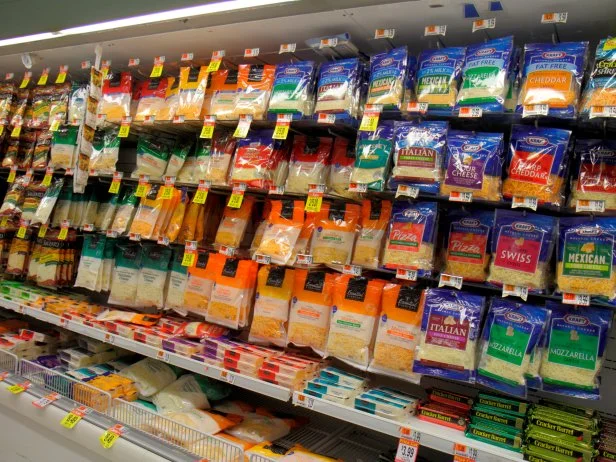
Great Lakes Cheese Co. voluntarily recalled an estimated 1.5 million bags (including 235,789 cases of low‑moisture part‑skim mozzarella and multiple other SKUs across 26 brands) of shredded cheese after potential metal fragments were identified; the FDA reclassified the October recall as Class II on Dec. 1. Separately, Ambriola Company recalled multiple grated Pecorino Romano products (Locatelli, Boar’s Head, Member’s Mark and others) after Listeria monocytogenes was detected, suspending production; no illnesses have been reported, but retailers and suppliers face immediate inventory, refund and reputational risks that could pressure near‑term margins for affected producers and distributors.
Market structure: The Great Lakes (metal fragment) recall (≈1.5M bags) and Ambriola Listeria recall concentrate short-term volume disruption on private/processors and mid‑tier grocery private labels (Sprouts/SFM listed). Winners are large omnichannel grocers and vertically integrated chains (WMT, COST, KR) that can reallocate shelf space, impose 30–90 day price/mix adjustments and capture displaced demand; losers are implicated suppliers, smaller regional chains with thin recall reserves and any retailer with concentrated vendor exposure. Cross-asset: negligible commodity (milk/cheese futures) moves expected (<1–2%); modest volatility uptick in affected retailers’ equities and short-dated credit spreads for exposed suppliers if legal action emerges.
Risk assessment: Tail risks include an expanded Listeria outbreak or multi-brand supplier litigation leading to >$50–150M cumulative industry remediation and multi-quarter margin compression for exposed retailers; regulatory tightening on imports could raise compliance capex industry-wide by 5–10% of current plant budgets. Immediate (days): inventory returns and refunds; short-term (weeks–months): Q4 margin impact and reputational churn; long-term (quarters): supplier requalification, contract renegotiation and consolidation. Hidden dependency: many private-label assortments share single co-packers—one supplier failure cascades across multiple national banners. Catalyst to reverse: rapid third-party audit clearance or recall reclassification to Class III.
Trade implications: Short small position (1–2% NAV) in SFM (ticker SFM) for 4–8 weeks via buy‑limit or put spread to capture recall-driven margin hit; pair trade long WMT (1–2% NAV) vs short SFM to play share capture over 1–3 months. Use options: buy 2–3 month SFM 5–10% OTM put spread (defined risk) and buy 2–3 month WMT call spread to express reallocation. Rotate modestly into large-format grocers and away from small regional grocers and implicated private-label dairy processors; trim any direct supplier exposure if >3% revenue tied to single co-packer.
Contrarian angles: Markets are likely overestimating systemic damage—retail refunds and supplier insurance typically cap direct cash hit; a >5% drawdown in major grocers would be overdone absent proven illness clusters. Historical parallels (minor packaged-food recalls) show recovery within 6–12 weeks once supply is requalified; the real long-term winner is vertically integrated scale that can absorb rework costs. Unintended consequences: accelerated supplier consolidation could benefit publicly listed, vertically integrated dairy processors and large retailers over 12–24 months.
AI-powered research, real-time alerts, and portfolio analytics for institutional investors.
Request DemoOverall Sentiment
mildly negative
Sentiment Score
-0.25
Ticker Sentiment
