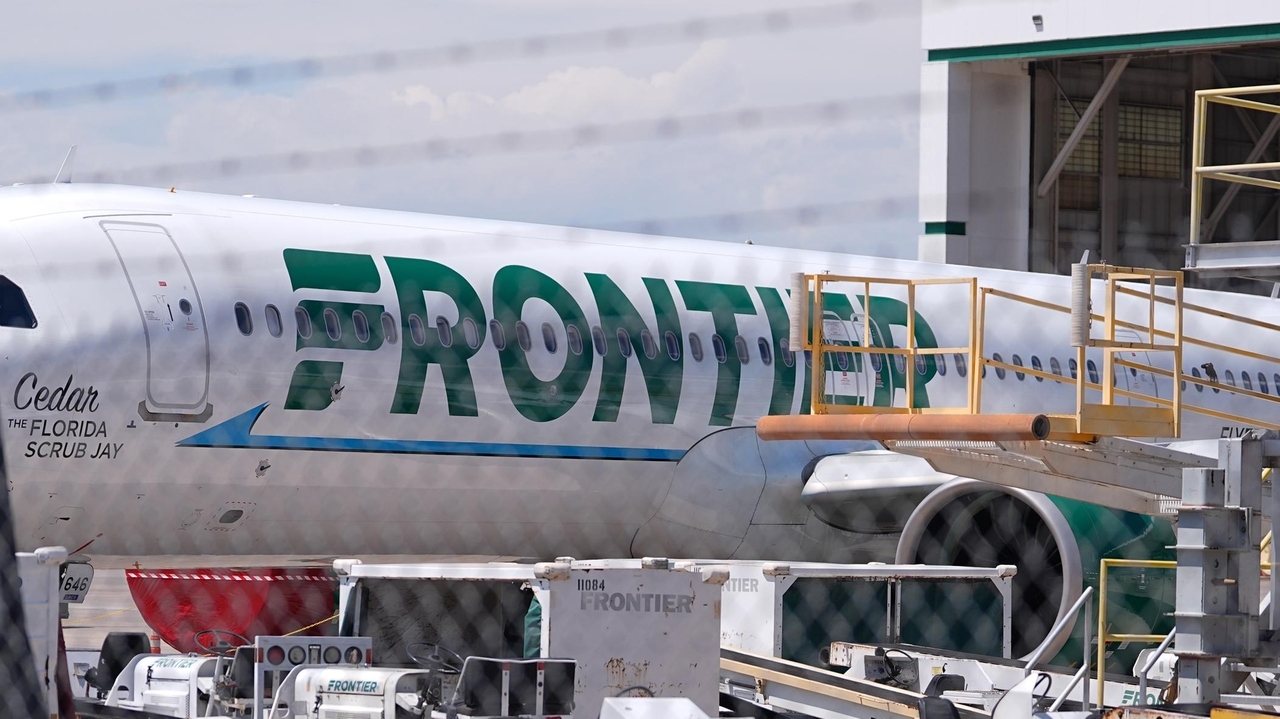
Frontier Airlines flight 4345 aborted takeoff in Denver after striking and killing a pedestrian on the runway, prompting an evacuation via slides. Twelve passengers reported minor injuries and five were taken to hospitals, while the NTSB is gathering information to determine whether the evacuation warrants a safety investigation. The incident adds operational and reputational pressure on Frontier, but the likely market impact is limited.
This is less about one-off airline noise and more about the market repricing operational fragility across a sector already trading on tight schedule integrity. The immediate loser is the operator involved, but the broader read-through is for all carriers with dense hub exposure and weak disruption tolerance: even a single runway event can trigger higher insurance scrutiny, maintenance checks, and a temporary drag on load factors as consumers question reliability. The second-order effect is on regional travel demand into the affected hub if media coverage keeps the incident in the headlines, which can subtly pressure near-term booking curves rather than quarterly earnings.
The Delta mention matters because it compounds a narrative of labor/safety incidents in aviation, which can raise the probability of regulatory follow-up across the industry. That typically shows up first in higher compliance costs and slower turnaround times, then later in potential fines or procedural changes; the market often underprices the cumulative effect until a few more events cluster within 4-8 weeks. For legacy carriers, the risk is not immediate revenue loss so much as margin compression from more conservative operations and elevated customer compensation expenses.
Contrarianly, the selloff risk in the name tied to the event may be overdone if investors assume direct financial damage from a headline that is operationally contained. These incidents are usually P&L-noisy but balance-sheet manageable unless regulators find a systemic defect in training, evacuation procedures, or runway security. The better trade may be relative value: punish the carrier only if subsequent disclosures point to process failure; otherwise, the cleanest expression is short-duration volatility rather than outright directional downside.
AI-powered research, real-time alerts, and portfolio analytics for institutional investors.
Request DemoOverall Sentiment
moderately negative
Sentiment Score
-0.45
Ticker Sentiment
