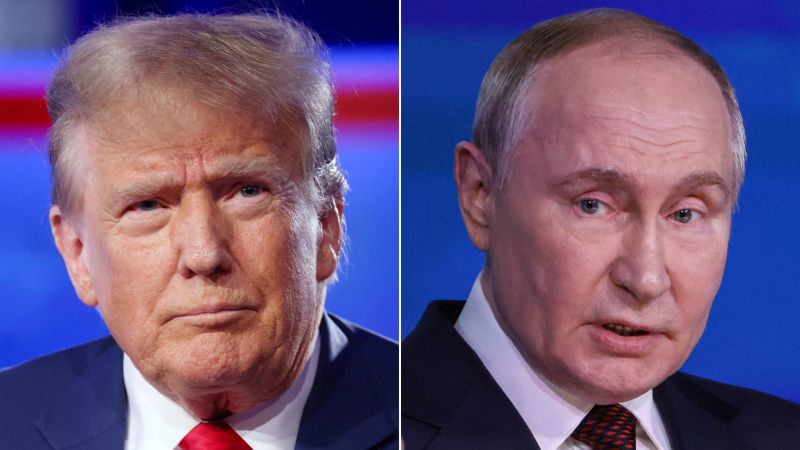
Following a call between Presidents Trump and Putin, Ukraine and Russia have accused each other of launching attack drones, with Ukraine claiming to have intercepted 93 out of 108 Russian-launched Shahed drones. Despite Trump's optimism about immediate ceasefire negotiations, Putin indicated a willingness to consider a ceasefire only if certain agreements are met, while Zelensky accused Russia of delaying negotiations to prolong the conflict. European leaders are considering increased sanctions on Russia, while Trump has resisted joining new sanctions, citing a potential for progress, leaving the prospect of a ceasefire uncertain.
The geopolitical landscape remains fraught as Ukraine and Russia exchanged accusations of overnight drone attacks, with Ukraine's Air Force reporting the destruction of 93 out of 108 Russian-launched Shahed drones. This military activity occurred shortly after a nearly two-hour phone call between U.S. President Trump and Russian President Putin, during which Putin expressed readiness for a "possible ceasefire for a certain period of time, provided the corresponding agreements are reached," a stance falling short of an immediate ceasefire. Ukrainian President Zelensky voiced skepticism, accusing Moscow of attempting to delay negotiations to prolong the conflict. While President Trump expressed optimism for immediate ceasefire negotiations and indicated he would not currently join new sanctions on Russia, citing a "chance of getting something done," European leaders, briefed by Trump, are reportedly considering increased sanctions. This divergence highlights a complex diplomatic front, with Kremlin spokesman Dmitry Peskov stating no specific decisions have been made regarding future talks and emphasizing Russia's interest in eliminating the "root causes" of the conflict, interpreted by former U.S. Ambassador William Taylor as a desire for Ukrainian capitulation. The overall negative sentiment (-0.3) and pessimistic tone associated with these developments underscore the continued uncertainty and potential for escalation, with a moderate market impact score (0.4) indicating investor attentiveness to the situation.
AI-powered research, real-time alerts, and portfolio analytics for institutional investors.
Overall Sentiment
Negative
Sentiment Score
-0.30
Ticker Sentiment
