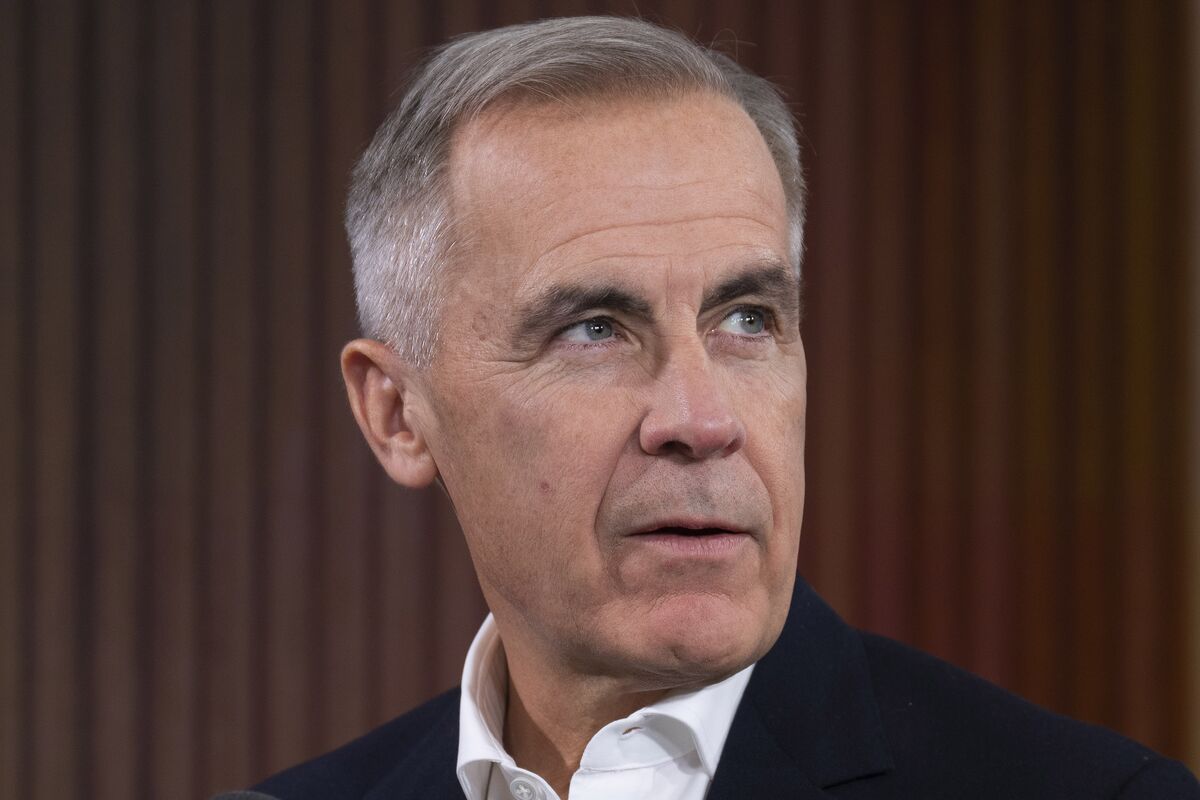
Canadian Prime Minister Mark Carney announced Canada's strategic initiative to attract tech workers who are unable to obtain US H-1B visas. This move aims to capitalize on shifts in US immigration policy, providing Canada an opportunity to significantly bolster its technology sector with skilled international talent.
Canada is strategically positioning itself to attract high-skilled technology workers who are facing challenges obtaining H-1B visas in the United States. According to Canadian Prime Minister Mark Carney, this initiative is a direct response to changes in US visa policies, creating an opportunity for Canada to absorb mobile talent from the tech sector. This policy signifies a potential 'brain gain' for Canada, which could provide a significant human capital tailwind for its domestic technology industry over the long term. Conversely, it may introduce a 'brain drain' headwind for the US tech sector, which could face heightened competition for talent. The market impact is currently viewed as low, reflecting the long-term, policy-driven nature of this development rather than an immediate, direct catalyst for specific corporate earnings.
AI-powered research, real-time alerts, and portfolio analytics for institutional investors.
Request DemoOverall Sentiment
moderately positive
Sentiment Score
0.40
