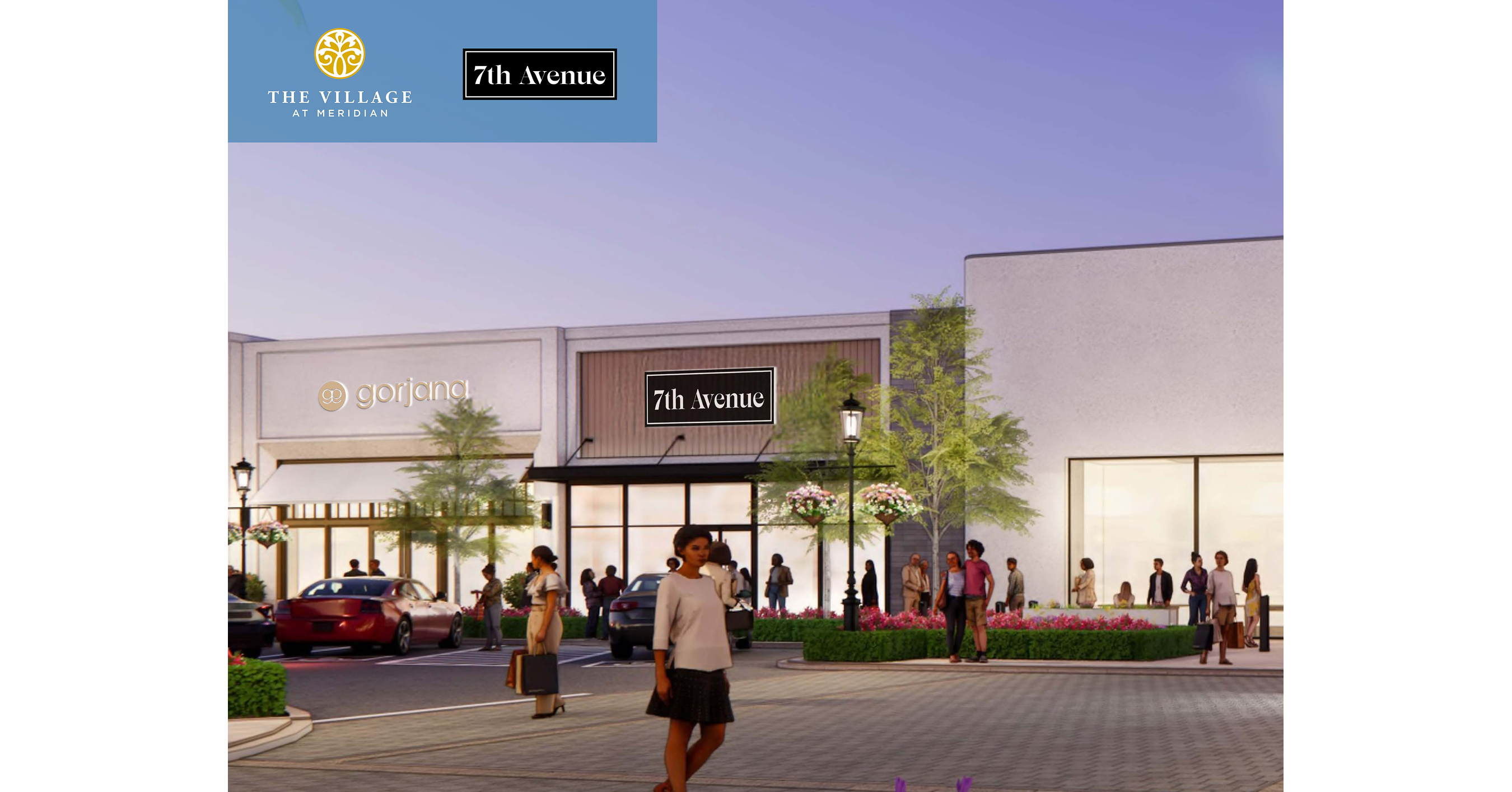
The Village at Meridian (Meridian, Idaho) is adding Phase II retail expansion with six new buildings totaling nearly 80,000 square feet, with 100% of the space already leased. New concepts include Culinary Dropout (7,000 sq ft), The Capital Grille (fine dining), and openings from Williams Sonoma (5,550 sq ft) plus Pottery Barn (slated for 2027), indicating strong tenant demand in a fast-growing market. A soft opening is planned for Oct. 9–11, with full completion anticipated by Feb. 2027.
This reads more like a validation of affluent exurban retail pricing power than a single-asset catalyst. The key mechanism is that premium mixed-use centers in fast-growing Sun Belt / Mountain West markets can keep filling space with national names, which supports rent resets, lowers tenant-replacement risk, and extends the useful life of the asset class versus commodity strip retail. That is bullish for owners with similar “destination” footprints, but it does little for lower-quality open-air centers where leasing is driven by discounting rather than brand pull.
Second-order, the mix matters: home and kitchen concepts and higher-end casual dining are a proxy for household formation plus discretionary spend from higher-income movers. If this persists into 1H27, it is a positive read-through for retailers with sticky omnichannel customers and for landlords that can monetize traffic with parking, F&B, and events. It is less informative for broad consumer demand than it is for occupancy and rent growth in a handful of wealthy micros.
Contrarian takeaway: the market may over-interpret this as a broad retail demand signal. The better read is that capital is concentrating into a small number of trophy suburban nodes, which may actually widen the gap between premium centers and the rest of retail real estate. For public comps, that argues for relative longs in best-in-class experiential retail landlords and select premium home/lifestyle names, not a blanket bullish call on retail REITs.
AI-powered research, real-time alerts, and portfolio analytics for institutional investors.
Request DemoOverall Sentiment
mildly positive
Sentiment Score
0.20
Ticker Sentiment
