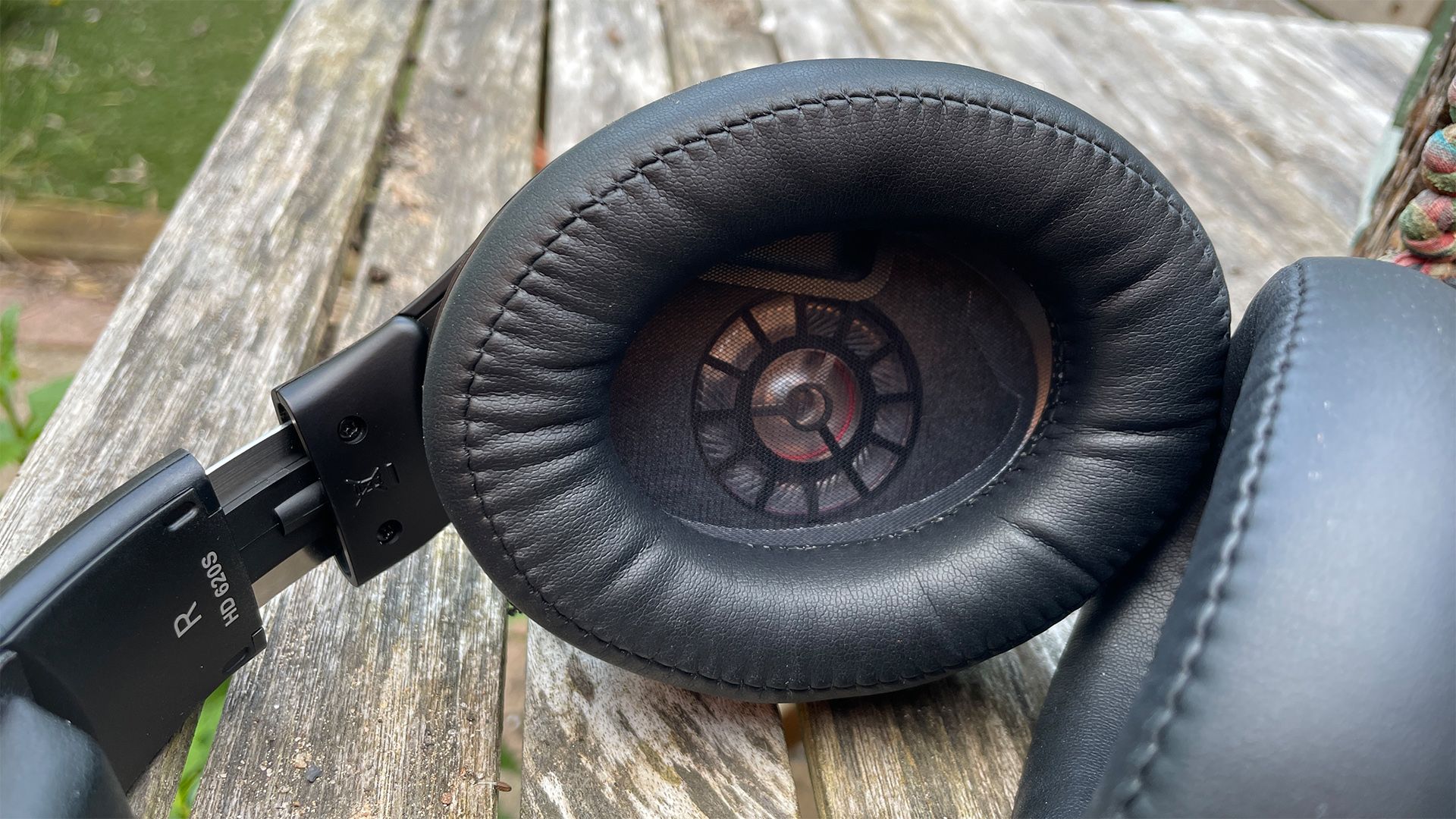
A ToxFree LIFE for All study found hazardous chemicals in every headphone sample tested, with Bisphenol A present in 98% of samples and Bisphenol S in over 75%, and smaller amounts of phthalates and chlorinated paraffins; named brands include Samsung, Bose, Sennheiser and Panasonic. The findings — and prior evidence that bisphenols can migrate into sweat and be absorbed through skin — raise reputational and regulatory risk for consumer electronics makers, particularly regarding long‑term exposure and vulnerable demographics, although the study did not publish a full model list and companies have yet to comment.
Market structure: Immediate winners are specialty-materials and reformulation suppliers (bio- or BPA-free polymer makers) while low-margin consumer audio players and badge-engineered OEMs face reputational and margin pressure. Expect 1–3% short-term margin compression for mass-market headphone lines if forced to reformulate; premium and certified ‘BPA-free’ brands can take 1–3ppt share in Europe within 6–12 months. Cross-asset: expect small spread widening in corporate bonds of exposed consumer names (10–30bp) and a 10–30% bump in near-term option implied vol for headline names; commodity impact is concentrated to higher-value specialty polymers, not bulk oil/metals.
Risk assessment: Tail risks include EU/REACH-style restrictions or class-action suits that could trigger recalls (high impact, low prob — 5–15% over 12–24 months) and forced capex for reformulation (tens to hundreds of millions for large OEMs). Near term (days–weeks) is PR volatility; short-term (1–6 months) is regulatory inquiries and retailer delisting risk; long-term (6–24 months) is product redesign and supply-chain re-contracting. Hidden dependencies: contract manufacturers (Foxconn/Luxshare) and upstream plastic compounders are single points of failure; catalysts are NGO test releases, EU agency reports, or major retailer removals.
Trade implications: Tactical hedges (days–90d) and selective longs in specialty-chemicals (12–18 months) are optimal. Consider small index/stock puts to hedge media-driven hits and long optioned exposure to EMN/BASF for reformulation wins; rotate 1–3% portfolio from consumer discretionary into materials over 3–12 months. Entry: implement hedges within 7–30 days; establish material longs after 2–6 weeks of regulatory clarity; exit hedges if no regulatory escalation in 90 days.
Contrarian angles: The market may overestimate demand destruction — audio consumption is sticky and replacement cycles are long, so permanent volume loss is unlikely. Large diversified names (SONY) have low headphone revenue share (<5–10% of sales) so overreaction creates mispricing opportunities; historical parallels (phthalate/lead scares in toys) show reformulation costs are temporary and premium/regulated players gained share over 12–24 months. Unintended consequence: aggressive regulatory action could accelerate incumbents’ CAPEX and open M&A for compliant niche players.
AI-powered research, real-time alerts, and portfolio analytics for institutional investors.
Request DemoOverall Sentiment
mildly negative
Sentiment Score
-0.25
Ticker Sentiment
