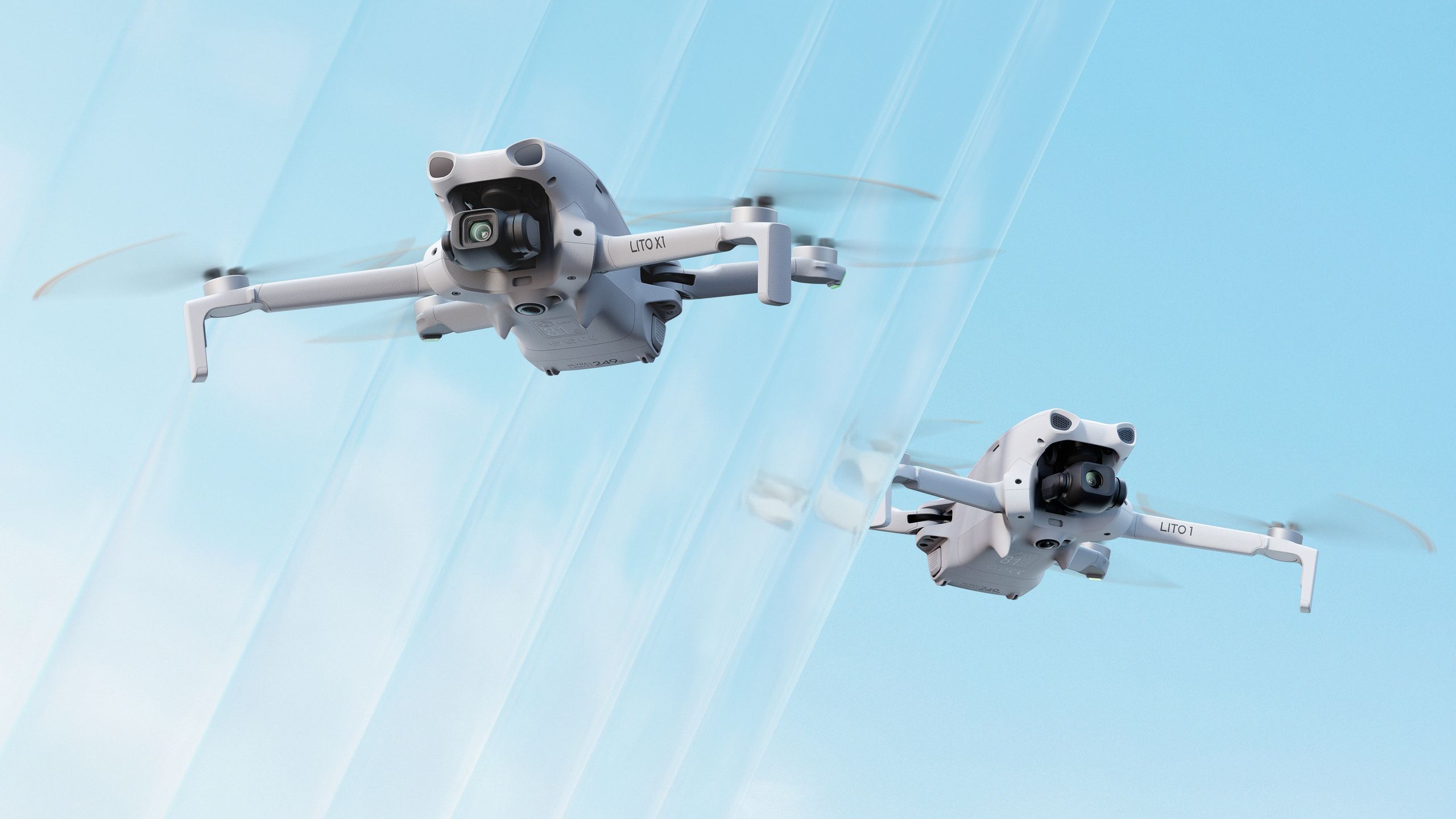
DJI launched two beginner-focused drones, the Lito 1 and Lito X1, both weighing 249g and priced from £299 and £369, respectively. The lineup adds upgrades including 4K 60fps video, 48MP sensors, ActiveTrack, and up to 36 minutes of flight time, with the X1 also offering LiDAR and internal storage. The launch reinforces DJI's entry-level drone push and could modestly support consumer demand, though the immediate market impact is likely limited.
The important read-through is not just that DJI is refreshing entry-level models, but that it is compressing the gap between consumer convenience and semi-pro functionality. That tends to commoditize the bottom of the category: if a first-time buyer can get near-premium tracking and safety at sub-$500, rival brands with weaker software ecosystems will have to compete on price, which usually means margin compression before unit growth shows up.
Second-order, this is a software-and-ecosystem win more than a hardware win. The drone hardware itself may be lower ASP, but the attach opportunity shifts toward batteries, controllers, cases, and replacement parts; that favors brands with the deepest accessory funnel and the best retail conversion. It also raises the bar for competitors because the “easy to fly” pitch is increasingly driven by autonomy and obstacle avoidance, not camera specs alone, which widens the gap between DJI and smaller consumer drone entrants.
The near-term risk is channel inventory whiplash. Dealers holding prior-generation beginner drones may need to discount quickly over the next 1-2 quarters, which can temporarily flatten sell-through across the category even if end demand improves. Over a 6-12 month horizon, the key variable is whether this expands the beginner funnel enough to create upgrade demand later; if it does, DJI is effectively seeding future premium buyers while forcing rivals into a low-margin price war.
Contrarian angle: the move may be less bullish for total category TAM than it looks, because better beginner products often substitute for more expensive models rather than expand the market proportionally. If consumers perceive the low-end drone as ‘good enough,’ premium mix can leak downward, and that can hurt accessory attach and ASPs across the ecosystem even while unit volumes rise.
AI-powered research, real-time alerts, and portfolio analytics for institutional investors.
Request DemoOverall Sentiment
mildly positive
Sentiment Score
0.20
