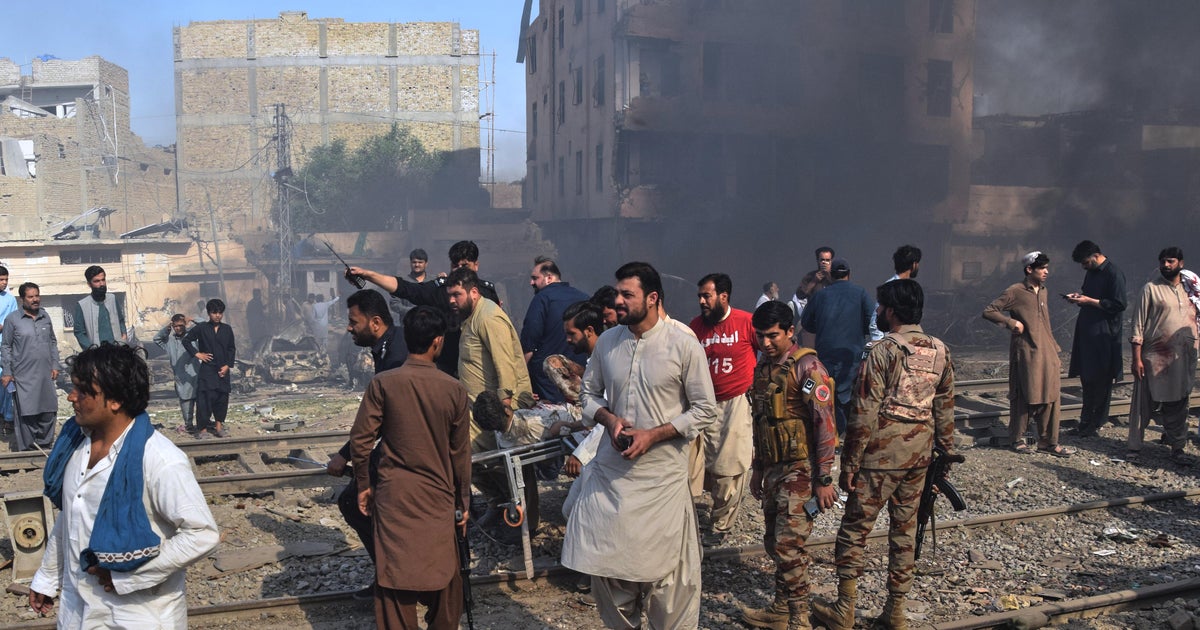
A suicide bombing in Quetta, Pakistan killed at least 24 people and injured around 70, with officials warning the toll could rise. The blast derailed a passenger shuttle train, overturned coaches, and damaged nearby infrastructure, while the Balochistan Liberation Army claimed responsibility. The attack underscores elevated security risk in Balochistan and may weigh on local transport activity and regional investor sentiment.
The immediate market read is not a broad Pakistan macro shock, but a localized escalation in a province that is already a chronic risk premium generator. The second-order effect is a further increase in the cost of moving goods through western Pakistan: rail, road freight, and any project-linked logistics in Balochistan now face a higher probability of disruption, rerouting, and security spend, which tends to hit margins before it shows up in headline trade data.
The most relevant winners are not obvious defense primes globally, but private security, surveillance, and hardened infrastructure contractors exposed to South Asia, plus any logistics operators that can price in security surcharges. The losers are rail-linked throughput, regional transit reliability, and capital formation in resource projects where investors were already demanding a discount; the attack reinforces the idea that extraction assets in insecure provinces can have value but not necessarily realizable cash flow without persistent convoy protection and political accommodation.
The market may be underestimating duration. These incidents usually trigger a short-lived risk-off move in local assets, but the more important effect is over months: higher insurance premiums, delayed maintenance windows, and lower utilization in rail/road corridors serving industrial cargo and mining inputs. If security forces respond with a larger footprint, there is a non-trivial chance of tactical containment but strategic escalation, which can keep the risk premium elevated even if headline violence temporarily drops.
Contrarian view: the selloff impulse is often too broad if investors extrapolate into all Pakistan exposure. The real damage is concentrated in Balochistan and adjacent transport nodes; assets with diversified geography or limited dependence on that corridor may see little fundamental impact. The better trade is not a country-level panic short, but a targeted expression on transport reliability and security expense inflation.
AI-powered research, real-time alerts, and portfolio analytics for institutional investors.
Request DemoOverall Sentiment
extremely negative
Sentiment Score
-0.95
