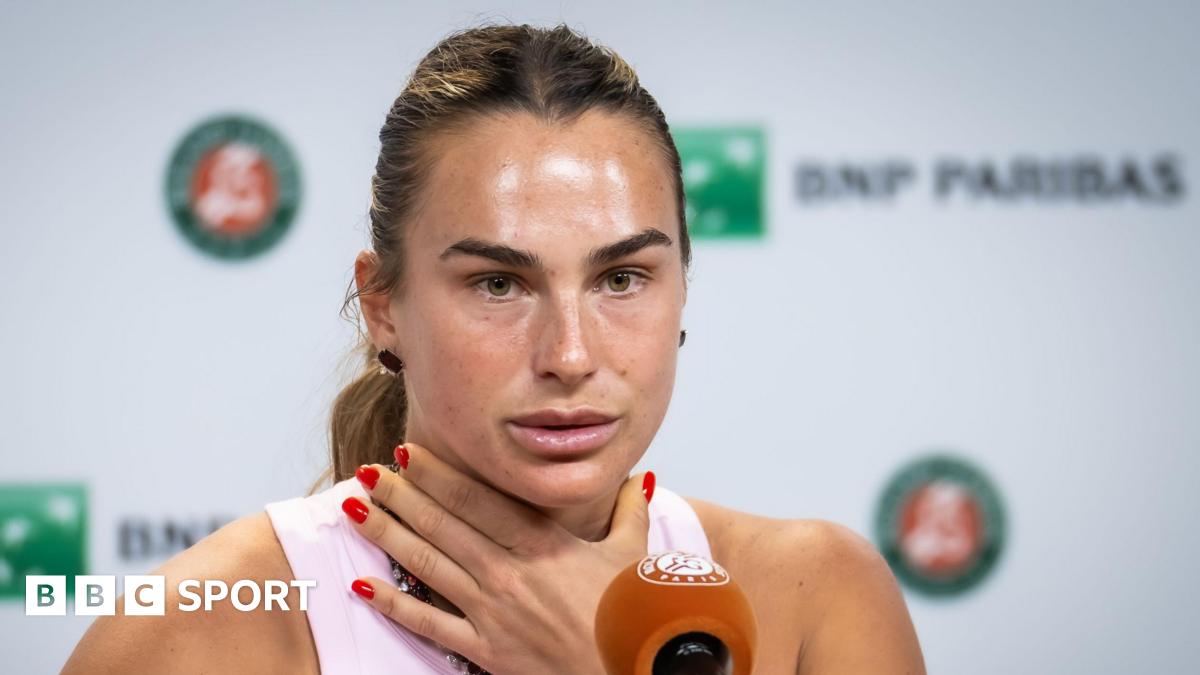
Top French Open players, led by Aryna Sabalenka, limited media duties to 15 minutes in protest over prize-money sharing, with players seeking 22% of Grand Slam revenue by 2030 versus the French Open's current 15%. The dispute also covers player welfare contributions and greater consultation on scheduling and tournament decisions. Tournament officials said they were disappointed but expect the issue to be resolved; players have not yet committed to a boycott.
This is less a labor headline than a governance signal: elite athletes are increasingly treating the Grand Slams like a quasi-cartel utility with monopoly pricing power that is now being challenged from within. The immediate market impact is limited, but the second-order effect is reputational pressure on tournament operators and sponsors if the dispute escalates into visible disruption during a flagship event. That matters because tennis monetization is unusually dependent on premium brand partners and broadcast inventory; any perception of player unrest can compress the implicit value of “clean” live sports inventory more than a normal labor skirmish.
The leverage is asymmetric. Players have low day-to-day bargaining power individually, but the top cohort can create outsized headline risk with minimal operational cost, which is why this is likely to intensify before it resolves. The most plausible catalyst is not a boycott but a sequence of small escalations: shortened media availability, awkward press interactions, and eventual pressure on organizers to trade a larger revenue share for labor peace. If that happens, the incremental cost is likely manageable for the Slams, but the precedent could spill into other rights-holder negotiations across sports.
The contrarian view is that the market is probably underestimating how quickly this can become a sponsor issue rather than a player welfare issue. Tournament owners can absorb a higher payout ratio, but they cannot easily price in the value of volatility-free premium events if star participation becomes politicized. The risk window is months, not days: this likely surfaces in sponsor renewals, broadcast negotiations, and player council dynamics long before any actual boycott decision. The cleanest takeaway is that governance friction is rising in premium live sports, and the next marginal dollar of revenue may be shared with labor rather than capital.
AI-powered research, real-time alerts, and portfolio analytics for institutional investors.
Request DemoOverall Sentiment
neutral
Sentiment Score
-0.08
