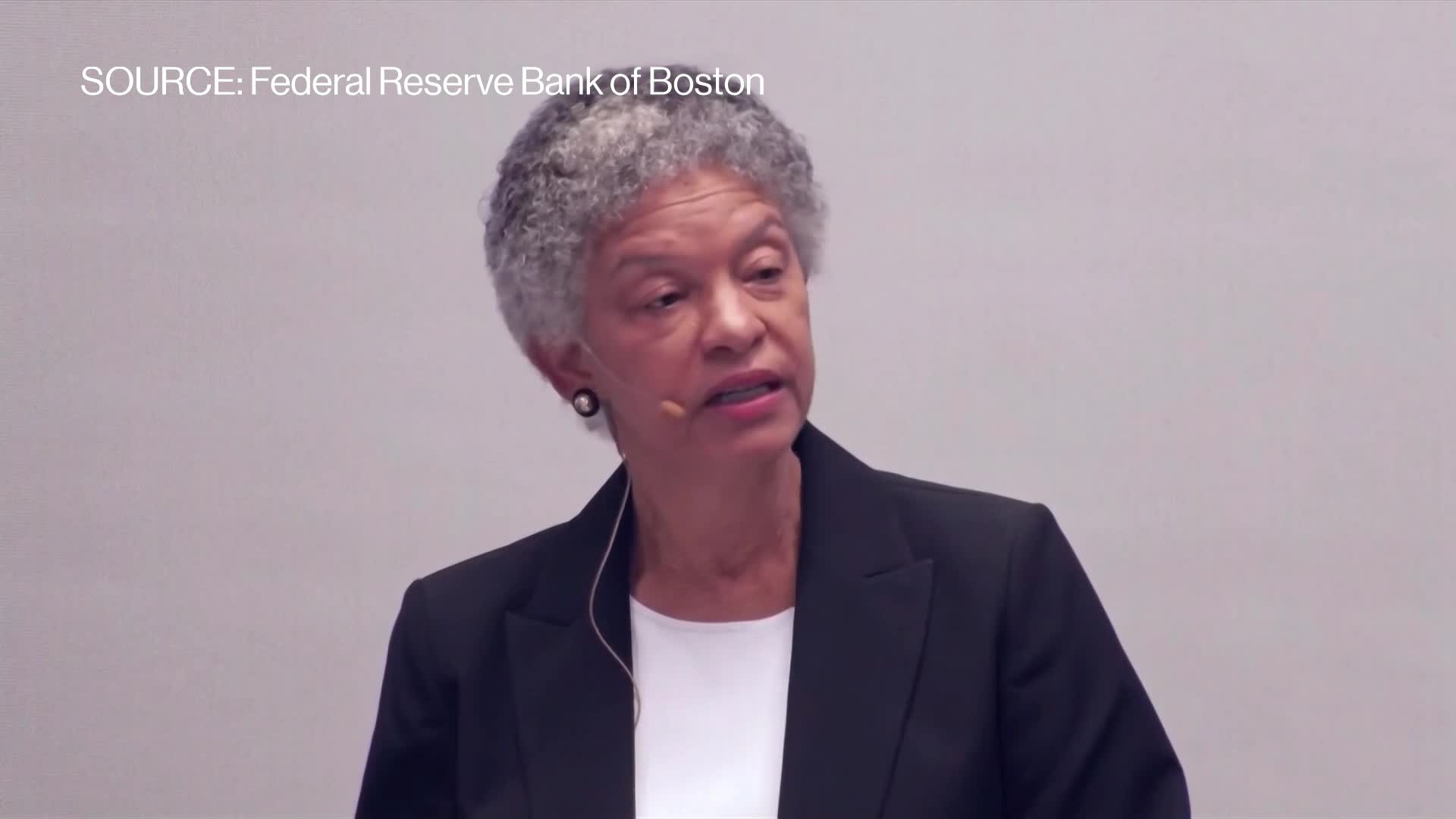
Federal Reserve Bank of Boston President Susan Collins indicated a preference for maintaining current interest rates "for some time," asserting that the policy rate remains mildly restrictive. Her comments suggest a cautious stance on easing monetary policy, signaling potential resistance to near-term rate cuts within the Federal Reserve.
Federal Reserve Bank of Boston President Susan Collins expressed a preference for maintaining the current policy rate "for some time," asserting its mildly restrictive nature. Her comments indicate a clear hesitation to ease monetary policy further in the near term, a stance articulated during the bank’s annual regional banking conference.
Collins' remarks convey a distinctly hawkish tone, suggesting a potential divergence from market expectations that may be anticipating earlier rate cuts. This perspective from a voting FOMC member implies a higher-for-longer interest rate environment, which could temper enthusiasm for risk assets and impact borrowing costs across various sectors.
The sentiment associated with these comments is moderately negative, with a moderate market impact score, reflecting investor concerns over prolonged restrictive monetary conditions. This contributes to the ongoing debate within the Federal Open Market Committee regarding the appropriate timing for policy normalization, underscoring the Fed's commitment to ensuring inflation is sustainably brought back to target.
AI-powered research, real-time alerts, and portfolio analytics for institutional investors.
Request DemoOverall Sentiment
moderately negative
Sentiment Score
-0.50
