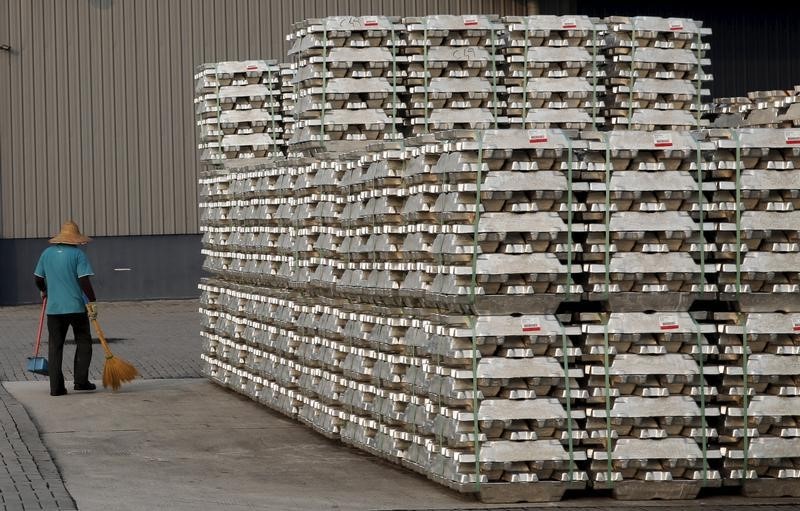
Aluminium prices fell to three-month lows, with LME three-month aluminium down 0.76% to $3,208/ton and the SHFE most-traded contract down 1.43% to 23,405 yuan/ton. The move was driven by easing Middle East risk concerns and a stronger U.S. dollar, while markets expect Gulf supply disruptions to normalize gradually. The article points to softer near-term pricing for industrial metals rather than a broad market shock.
The immediate read-through is not just lower aluminium pricing, but a broad repricing of the geopolitical risk premium embedded in industrial metals. When that premium comes out, the first beneficiaries are downstream fabricators and end users with short inventory cycles, while the losers are producers and traders who were leaning on scarcity/energy-cost narratives to support margins. The move also signals that supply restoration can hit prices faster than physical demand deteriorates, which is typically more bearish for the commodity complex than a simple demand slowdown.
The second-order effect is on margin dispersion across the aluminium value chain. Smelters with higher power costs and less hedging flexibility are most exposed if the market begins to price a steadier Gulf supply path over the next 4-12 weeks; conversely, can-packaging, auto, and electrical component users should see input-cost relief with a lag as contracts reset. The currency channel matters too: a stronger dollar tightens global financial conditions and usually amplifies downside in dollar-priced commodities, so any rebound in aluminium likely needs either renewed supply disruption or a decisive turn lower in the dollar.
This looks more like a tactical unwind than a structural bear market, but the risk is that consensus underestimates how quickly the market can move from war-risk pricing back to surplus pricing. If supply normalizes cleanly and energy stays contained, aluminium can overshoot to the downside because positioning is likely still long on the assumption of persistent disruption. The key catalyst set is binary: a fresh escalation that reintroduces logistics friction, or evidence that Gulf output/shipments remain impaired beyond the next earnings cycle; absent that, rallies should fade.
For Nasdaq, the relevance is indirect but important: the selloff in tech is another sign that cross-asset risk appetite is being hit by macro rather than company-specific fundamentals. That keeps pressure on high-duration equities if rates or the dollar stay firm, and it argues for being careful with dip-buying in momentum names until commodities and FX stop tightening financial conditions.
AI-powered research, real-time alerts, and portfolio analytics for institutional investors.
Request DemoOverall Sentiment
moderately negative
Sentiment Score
-0.25
Ticker Sentiment
