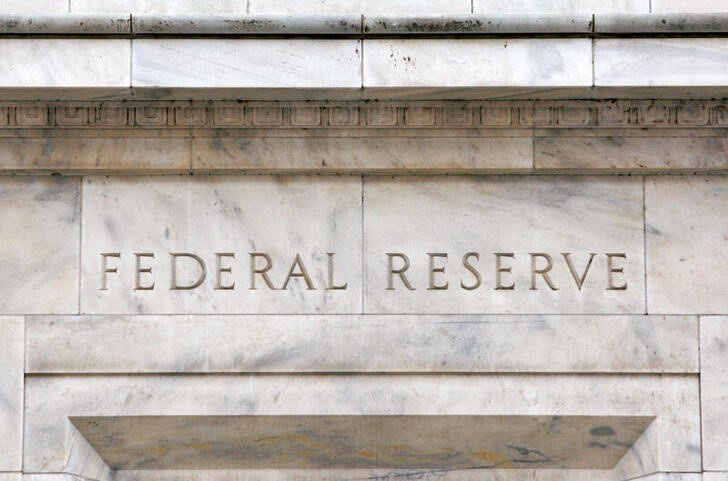
Bank of America raised its global GDP growth forecast to 3.2% for 2026, 3.5% for 2027, and 3.3% for 2028, while cutting global inflation estimates to 3.0% in 2026, 2.4% in 2027, and 2.5% in 2028. Despite the softer inflation outlook, BofA now expects the Federal Reserve to hike rates by 75 bps starting in September, citing resilient labor markets and persistent inflation, and sees one additional ECB hike before easing begins next year. The outlook also hinges on an AI-driven export cycle, lower Brent prices around $72/bbl in 2H26 and $65 in 2027, and ongoing geopolitical risk in the Middle East.
The market is implicitly moving from a “disinflation is enough” regime to a “growth is okay, policy stays restrictive” regime. That is a better backdrop for cyclical reflation trades than for duration-sensitive assets: you want assets that can tolerate higher real yields and still benefit from capex persistence, while avoiding the parts of the market priced for an easing cycle that is now getting pushed out.
The clearest second-order effect is that AI capex becomes more regionally important, not less. If U.S. rates stay elevated and energy stays benign, the winners are the infrastructure and industrial layers that monetize compute demand without relying on multiple expansion—semis, power equipment, grid, data-center cooling, and selected Asian export beneficiaries tied to the buildout. Conversely, the “cheap energy plus soft landing” narrative is not automatically bullish for the broad market because it can compress risk premia if liquidity conditions tighten faster than earnings can reaccelerate.
For banks, the setup is asymmetric: higher-for-longer helps net interest income near term, but the risk is not loan growth—it is funding beta and credit quality if equity and private-asset marks wobble after a hawkish Fed reprices front-end yields. BAC is a decent expression only if you believe the hiking path is shallow and terminal-risk is contained; otherwise, a flatter curve plus deposit competition can cap upside. The more interesting relative trade is to own rate-volatility beneficiaries and sell duration-proxy equities that depend on falling discount rates.
The contrarian miss is that lower oil may not be stimulative enough to offset tighter financial conditions, especially outside the U.S. Europe gets less bad, not good, and China’s export-led growth is vulnerable if global demand rolls over or trade barriers intensify. The biggest tail risk over the next 3-9 months is not recession; it is a synchronized de-rating in long-duration assets if the Fed signals it is willing to tolerate slower growth to re-anchor inflation expectations.
AI-powered research, real-time alerts, and portfolio analytics for institutional investors.
Request DemoOverall Sentiment
neutral
Sentiment Score
0.10
Ticker Sentiment
