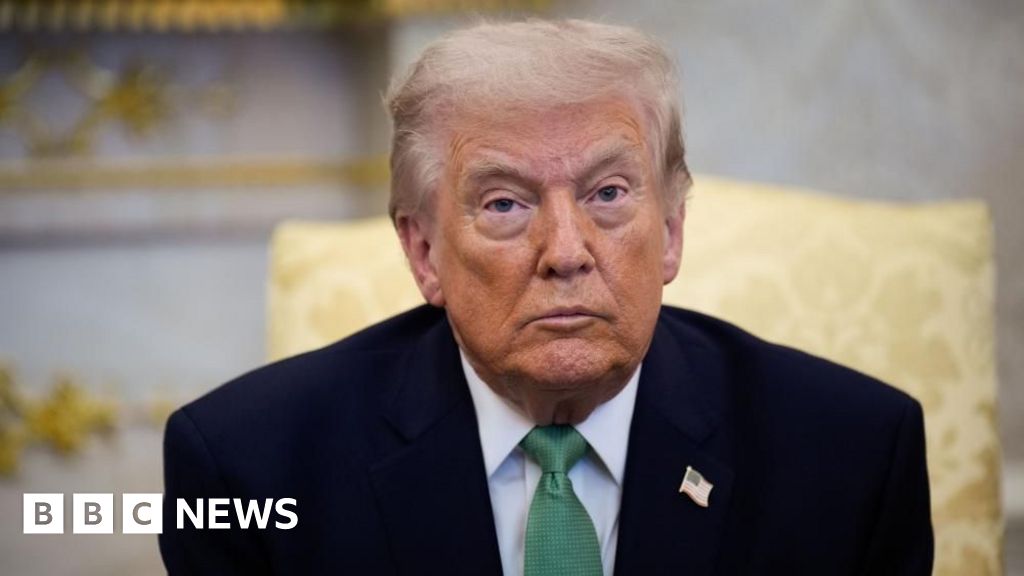
NATO allies have largely refused US requests to help secure the Strait of Hormuz amid the Iran conflict, while the waterway — which handles about 20% of global oil flows — has seen severe disruptions and attacks since 28 February. President Trump publicly criticized allies (notably the UK) and said the US "doesn't need any help," even as commercial and oil shipments remain at risk and retaliatory strikes continue, including reported casualties near Tel Aviv. The dispute has diplomatic fallout (resignations and high-level statements from EU and French leaders) and sustains upside risk to oil prices and broader market volatility.
A protracted disruption to a major maritime transit corridor has outsized, quantifiable knock-ons: voyage economics shift immediately (shorter growth in seaborne capacity, higher fuel burn from reroutes, and war-risk premiums), which can add roughly $2.5–4.0m to a single VLCC voyage and extend transit times by 10–15 days. That math flows straight into tanker FCF and spot earnings — expect spot tanker TCEs to spike 50–150% in the first 30–90 days if transits remain hazardous, while integrated refiners capture less of the upside versus owners of transport capacity.
Beyond trade flows, insurance and logistics frictions create margin transfer opportunities across the value chain: brokers/reinsurers and owners of mobile storage (tankers, FSRUs) benefit, while just-in-time supply chains (petchems, aviation fuel hubs) face inventory squeezes and price markups that show up as elevated working capital requirements for refiners and trading houses over the next 1–6 months. Currency and rates channels matter too — a sustained risk premium supports safe-haven FX and compresses risk appetite, increasing realized volatility in commodities and EM credit for 30–120 days.
Key catalysts to watch are: (1) rapid coalition escort deployments or a formal insurance corridor that would normalize premiums within weeks; (2) strategic releases or swaps of petroleum stocks which can shave volatility within 30–90 days; and (3) escalation to wider shipping interdiction or sanctions that would entrench the rerouting regime for many months. A plausible contrarian is that markets are pricing a permanent structural shock when, historically, shipping adapts (flagging, convoying, short-term private security) and premiums mean-revert within 2–4 months absent wider escalation.
AI-powered research, real-time alerts, and portfolio analytics for institutional investors.
Request DemoOverall Sentiment
strongly negative
Sentiment Score
-0.60
