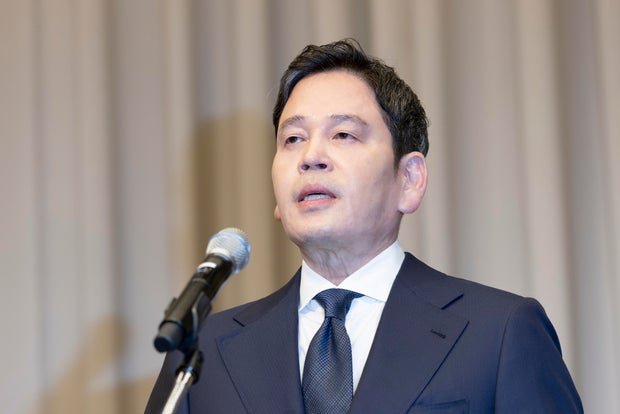
Starbucks Korea and parent Shinsegae are facing a reputational crisis after a marketing campaign tied to the May 18 Gwangju uprising triggered public outrage, police scrutiny, and a formal apology from chairman Chung Yong-jin. Shinsegae said sales have fallen sharply, the local CEO was fired, and the company is investigating whether employees intended to mock democracy activists. The backlash has also prompted boycott calls and government restrictions on Starbucks products at official events, increasing near-term pressure on the brand and Korean retail operations.
This is less a one-off brand misstep than a governance event with a consumer-demand transmission mechanism. In Korea, where national memory and institutional trust are unusually sensitive, the damage can persist well beyond the apology cycle: foot traffic hit first, but the larger risk is a durable shift in habitual consumption toward local chains and convenience stores, where substitution costs are low and loyalty is weak. For SBUX, the issue is not just lost sales in one market; it is the chance that franchise economics and brand elasticity prove more fragile than the market has assumed.
The second-order effect is margin compression through remediation. Expect elevated marketing spend, store-level promotions, legal/compliance overhead, and potential executive turnover costs over the next 1-2 quarters. More importantly, governments and institutional buyers can become quasi-permanent detractors after a reputational breach, which matters because B2G visibility often anchors premium brand perception even if direct revenue is modest. That creates a larger global narrative risk: social-media-driven boycotts can be exported across markets faster than management can localize response.
From a stock perspective, the setup is bearish but not necessarily a multi-quarter short if the headline fades. The cleanest read-through is that the market may still be underestimating how quickly sentiment damage can show up in same-store sales while overestimating the speed of recovery without a credible governance reset. A reversal would require not just more apologies, but tangible accountability, external review, and visible leadership changes; absent that, the controversy should keep a cap on multiple expansion for at least the next earnings cycle.
AI-powered research, real-time alerts, and portfolio analytics for institutional investors.
Request DemoOverall Sentiment
strongly negative
Sentiment Score
-0.55
Ticker Sentiment
