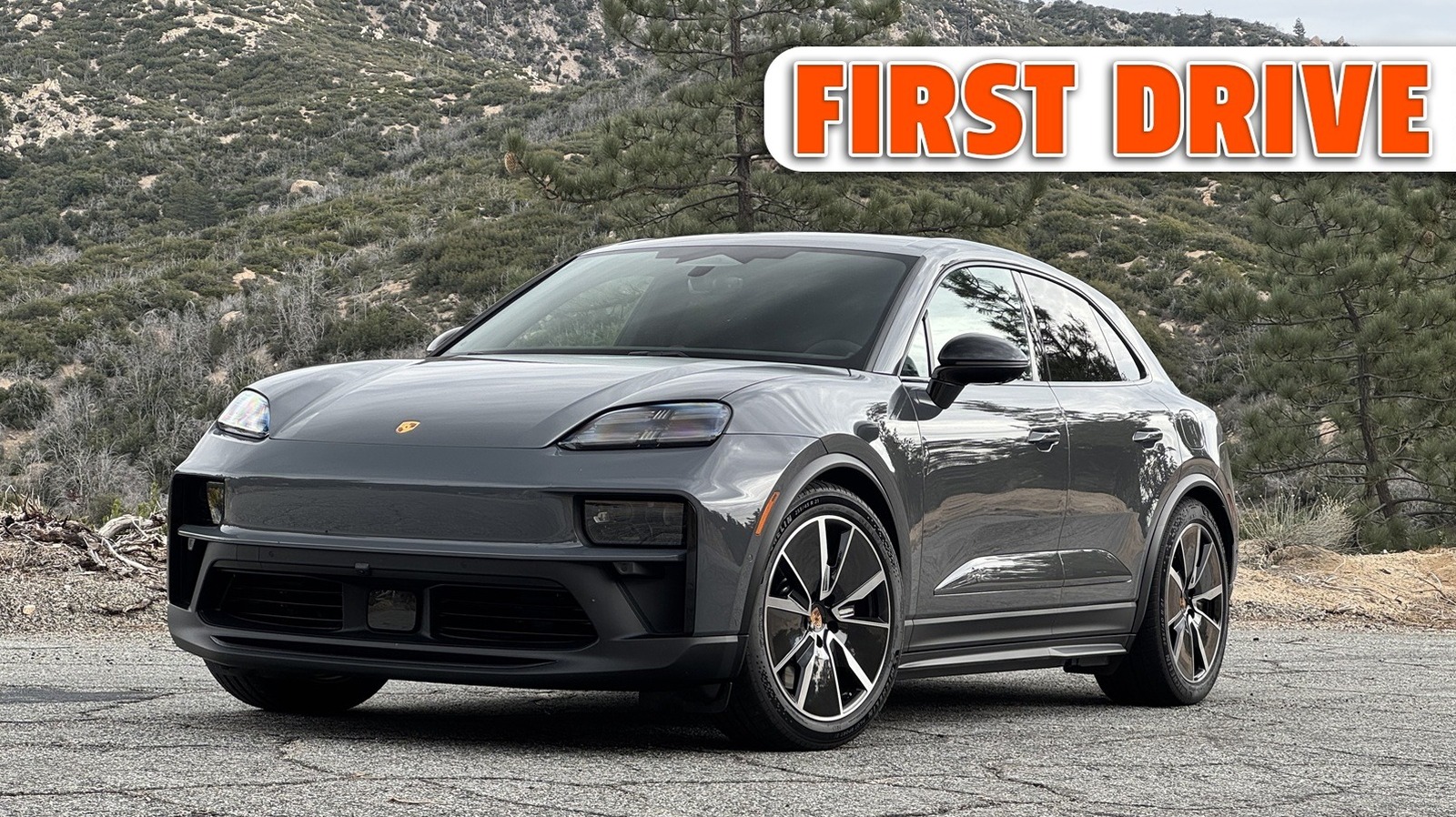
Porsche's 2026 Macan GTS Electric debuts with a $107,650 base price (destination included) and an example optioned MSRP of $124,200, delivering 563 hp and 704 lb-ft (67 hp / 129 lb-ft down from the Turbo), 0–60 mph in 3.6 seconds, and a curb weight of 5,375 lb. The GTS differentiates itself primarily via software—GTS-specific suspension and torque-vectoring tuning, Track Endurance Mode for battery thermal management, minor exterior tweaks, expanded tech features (transparent front surround-view, advanced park assists, adaptive cruise lane-change) and an updated 5,500-lb towing rating—while targeting mostly daily-driver, often first-time Porsche EV buyers. For investors, the update emphasizes product repositioning and customer acquisition through software and packaging rather than heavy mechanical investment, suggesting limited near-term margin impact but meaningful strategic positioning in the electric crossover segment.
Market structure: Porsche’s Macan GTS Electric tightens premium EV demand at the ~$100k+ SUV price point, directly benefiting Volkswagen Group (owner of Porsche AG) and premium suppliers (suspension, brake, software). Volumes are modest vs mass-market EVs, so pricing power and higher EBITDA/margin mix matter more than raw unit growth; expect gradual positive EPS mix impact for VWAGY/P911 over 4–12 quarters. Commodities impact is limited near-term but positive for high‑grade cells/thermal management suppliers; modestly bullish for lithium/nickel miners if premium EV share expands >200–300k units/yr globally.
Risk assessment: Tail risks include battery thermal events, EU/US regulatory changes to EV incentives, or software failures enabling returns/recalls—any of which could create >10% adverse shock to premium OEMs in quarters. Immediate risk (days-weeks) is reputational; short-term (1–6 months) delivery/production updates and incentive shifts matter; medium-term (6–24 months) are battery raw-material price swings and warranty costs. Hidden dependency: Porsche’s advantage is software tuning — over‑the‑air parity from rivals could erode differentiation quickly.
Trade implications: Tactical overweight European premium autos vs Tesla: VWAGY (long) captures brand-driven margin uplift; express exposure via 6–12 month 2–3% portfolio position. Pair trade: long VWAGY, short TSLA to play luxury segmentation (target relative 8–12% outperformance over 3–9 months); use 10% stop-loss on either leg. Consider 6-month 25/40% OTM call spread on VWAGY sized to 0.5–1% notional to express upside while capping premium.
Contrarian angle: Consensus undervalues software/tune-based performance gains — not every EV edge requires new hardware; that favors incumbents with deep R&D and dealer networks (VWAGY, MBGYY). Reaction could be underdone: if Porsche converts a meaningful share of ICE-intenders to EVs, margin expansion could be +50–150bps for VW group over 4 quarters. Unintended consequence: heavier EVs increase warranty and insurance costs; watch 12-month repair/warranty metrics as an early signal.
AI-powered research, real-time alerts, and portfolio analytics for institutional investors.
Request DemoOverall Sentiment
mildly positive
Sentiment Score
0.35
