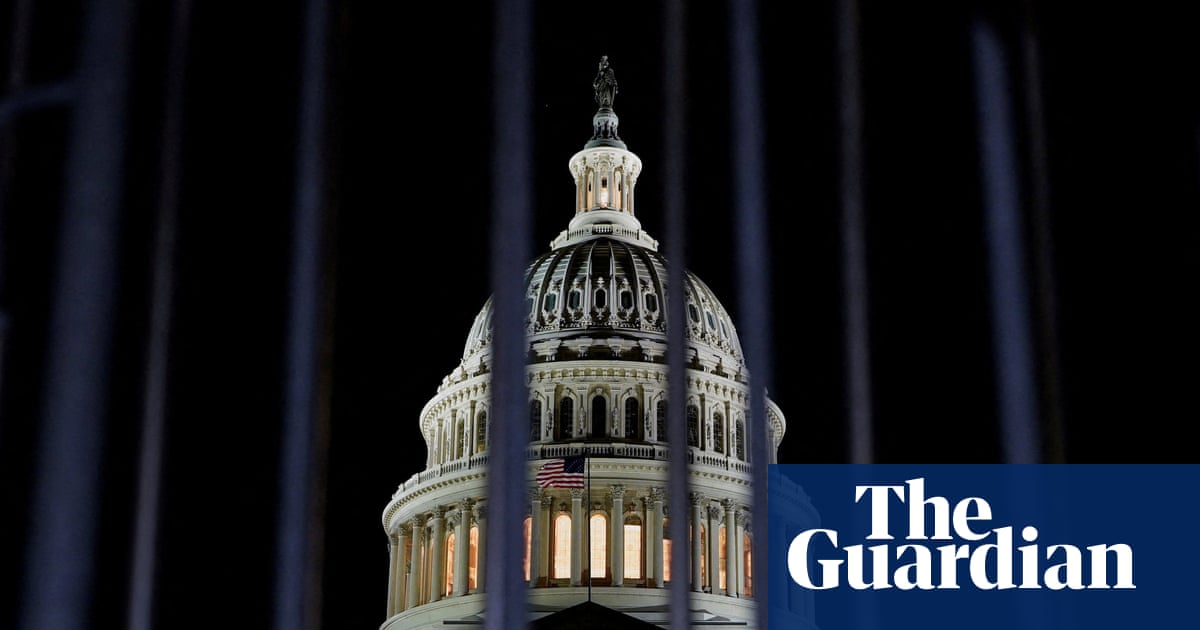
The U.S. government initiated a shutdown on Wednesday, marking the first since 2018, after congressional Democrats refused to support a Republican funding bill without approximately $1 trillion in healthcare concessions, including extending ACA premium tax credits and reversing Medicaid cuts that would impact millions. Republicans, who control both chambers, rejected these demands, leading to the funding lapse. The White House attributes the shutdown to Democrats' policy demands and has threatened mass federal worker layoffs, while the duration remains uncertain amid some internal Democratic dissent.
A US government shutdown has commenced, the first since the 35-day closure in 2018-19, stemming from a legislative stalemate over federal funding. The core of the conflict is the Democratic party's demand for approximately $1 trillion in healthcare-related concessions, including an extension of ACA premium tax credits and a reversal of Medicaid cuts, as a precondition for supporting a Republican-authored funding bill. Despite the GOP's control of both congressional chambers, it lacks the 60 votes needed in the Senate to advance its bill without bipartisan support. The situation is marked by significant political risk, with the White House blaming Democrats and threatening mass layoffs of federal workers, while the shutdown's duration remains highly uncertain. A critical factor to monitor is the emergence of dissent within the Democratic caucus, where three members broke ranks to vote for the GOP proposal, citing concerns that a shutdown cedes more power to the executive branch. This internal division, though currently small, could influence the negotiating dynamics and ultimate length of the shutdown, particularly as public polling indicates a general opposition to the tactic.
AI-powered research, real-time alerts, and portfolio analytics for institutional investors.
Overall Sentiment
strongly negative
Sentiment Score
-0.65
Ticker Sentiment
