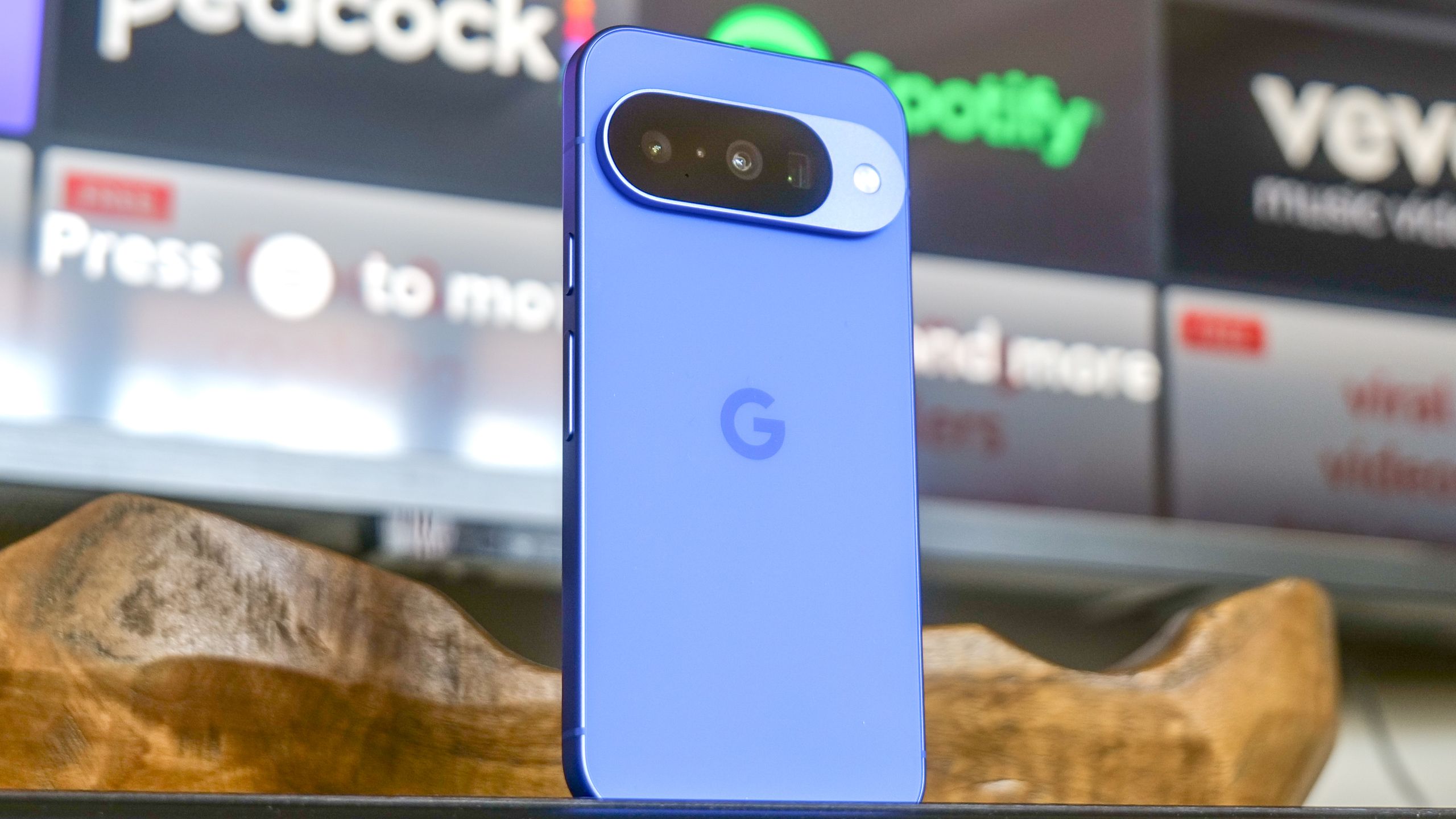
Google's Pixel 11 is expected later this year, likely in the last week of August, but the article frames the launch as a mixed-to-negative upgrade cycle after the Pixel 10 series. Rumored changes include a 6.3-inch OLED display with 60-120Hz refresh, a Tensor G6 chip that may use a five-year-old GPU, and a possible battery capacity cut to 4,840 mAh from 4,970 mAh. Potential positives include a new main camera sensor, slimmer bezels, Pixel Glow lighting, and possible 2nm manufacturing, but overall the outlook is cautious and speculative.
The key market implication is not the handset itself but the signal it sends about Google’s willingness to trade near-term hardware margins for ecosystem defense. If Pixel 11 lands with a price step-up while base storage rises, Google is implicitly pushing Pixel upmarket to protect operating economics, which increases the importance of software attach, AI services, and carrier subsidies rather than pure unit share. That shifts the debate from share gains to mix quality: even flat volumes could be constructive for GOOGL if the device becomes a higher-ARPU funnel into Gemini, Photos, and Google One.
The more interesting second-order risk is execution leakage in the Tensor roadmap. A weaker GPU story would keep Google dependent on AI feature differentiation rather than benchmark-led demand, which is usually a slower and less defensible path when Apple and Samsung can bundle comparable on-device features with superior perceived performance. If the Pixel 11 is framed as an AI phone but underwhelms on battery life or thermals, upgrade elasticity likely stays low and the launch becomes more of a review-cycle event than a demand event.
For suppliers, the signal is mixed. ARM benefits from content growth if Google keeps leaning into a custom CPU-heavy architecture, but any downgrade in memory footprint would offset part of that upside by reducing component intensity. TSM remains the cleaner beneficiary only if Google truly moves on advanced-node manufacturing; otherwise the market may be overestimating how much of Pixel’s roadmap translates into incremental wafer demand. A battery-capacity cut, if paired with only modest charging improvements, would also imply Google is prioritizing industrial design and cost structure over user pain points, which is rarely enough to drive meaningful handset share gains.
The contrarian view is that consensus may be too negative on the Pixel launch because the market often prices Google hardware as an isolated business, when the strategic value is ecosystem retention and AI distribution. Even a mediocre phone can be economically rational if it helps Google preserve Android engagement and data capture, especially as AI assistants become more sticky. The bigger risk to short Google is not a great Pixel 11, but a better-than-feared one that validates Google’s ability to monetize AI at the device layer without needing category-leading hardware.
AI-powered research, real-time alerts, and portfolio analytics for institutional investors.
Request DemoOverall Sentiment
mildly negative
Sentiment Score
-0.10
Ticker Sentiment
