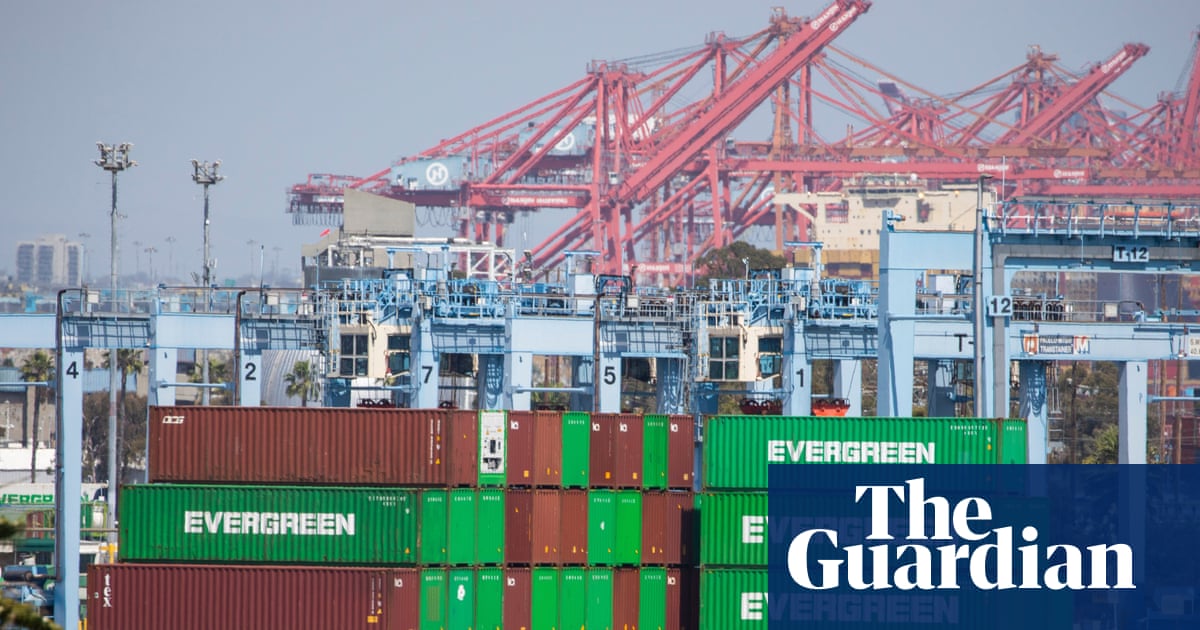
The Trump administration has opened a digital claims system for more than $166bn in tariff refunds after the Supreme Court ruled the tariffs lacked legal authority. More than 3,000 companies, including Skechers, Revlon, Toyota, Nintendo of America, FedEx and Costco, are already pursuing refunds, with eligible claimants limited to importers that officially paid the duties. Businesses face a 60- to 90-day wait for payment, and the first phase excludes entries tied to legal disputes, anti-dumping probes or other unresolved customs issues.
This is less a one-off refund story than a delayed transfer of working capital from the government back to balance-sheet-heavy importers. The key second-order effect is liquidity: refunds arrive after a long cash-conversion delay, so companies that pre-funded tariffs get a release valve on near-term capex, buybacks, or inventory rebuilding. That favors firms with high imported-content COGS and tight inventory turns more than it helps end consumers, because most of the economic incidence was already embedded in pricing and margins.
For logistics and retail, the asymmetry matters. A carrier that can credibly pass-through recovered amounts to shippers strengthens customer trust and reduces dispute risk, while a retailer with vague reinvestment/price-cut promises risks becoming a litigation magnet if consumers believe refunds should show up as lower shelf prices. The bigger competitive dynamic is between firms that can operationalize the claims process quickly and those whose entries are stuck in customs limbo; the former get a near-term earnings tailwind, the latter remain in a cash trap for months.
The market is likely underpricing the staggered timing. A 60–90 day processing window means any P&L impact lands over multiple quarters, not as an immediate step-up, which dampens headline excitement but creates a cleaner setup for companies with explicit refund pass-through policies. The main reversal risk is legal/administrative friction: if the new claims system backlogs, narrows eligibility, or gets challenged, the cash benefit could slip into 2026 and become irrelevant to FY guidance.
Contrarian view: this is not purely bullish for importers, because a refund can also expose who had been quietly padding margins. If a company is forced to pass through the money, the market may realize its reported gross margin expansion was partly tariff noise, not true pricing power. That makes the event a potential margin-quality filter rather than a simple stimulus, especially for names where consensus has already baked in durable pricing strength.
AI-powered research, real-time alerts, and portfolio analytics for institutional investors.
Request DemoOverall Sentiment
neutral
Sentiment Score
-0.10
Ticker Sentiment
