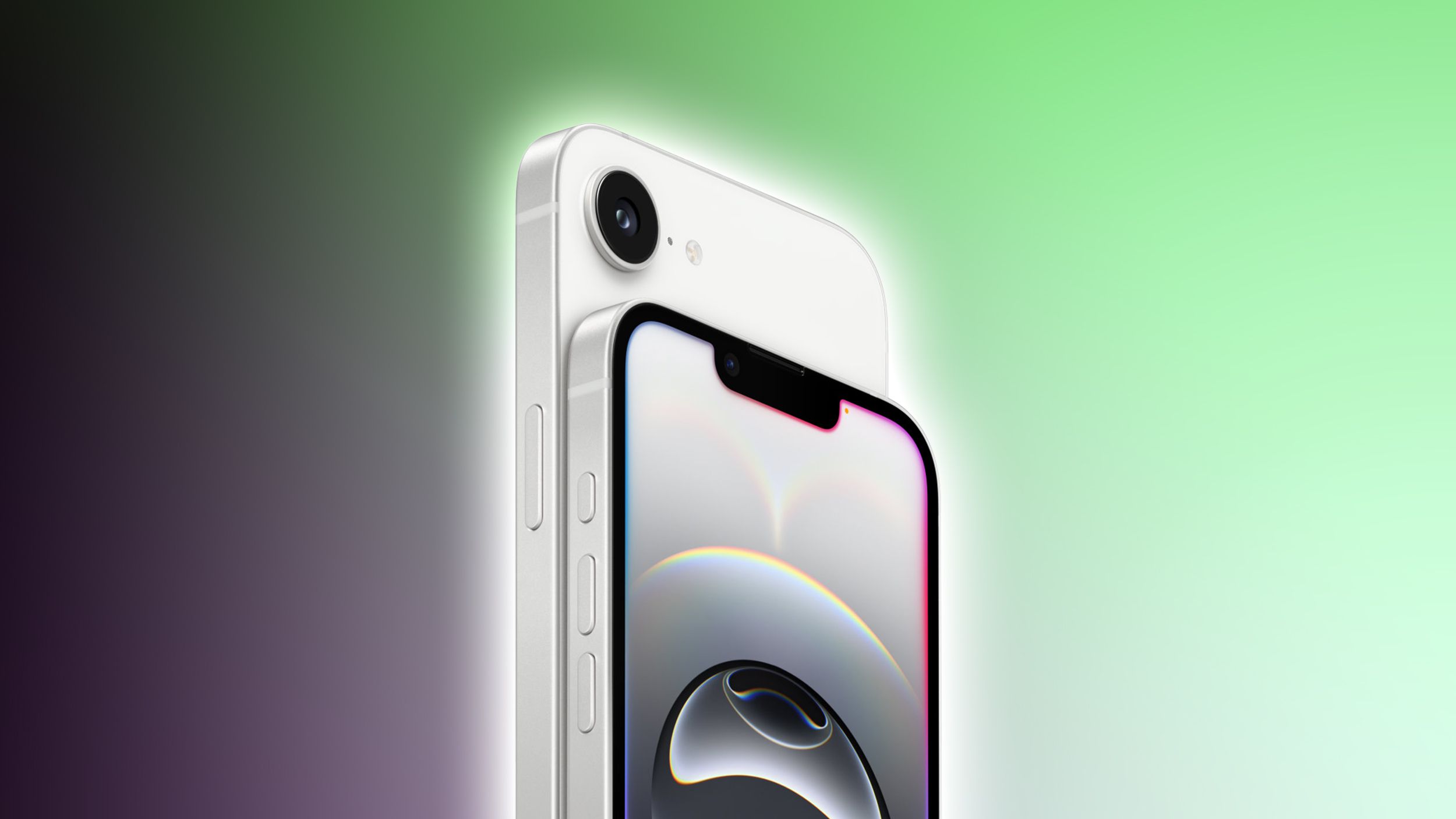
Apple's recent ventures into the lower-cost smartphone market, specifically with the iPhone 16e and iPhone Air, are reportedly facing significant sales challenges. The iPhone Air is experiencing low demand, leading to production cessation and a delay in its second-generation model, while an Asia-based leaker indicates the iPhone 16e, introduced at $599, is also selling poorly. This underperformance contrasts with strong demand for the premium iPhone 17 lineup, though Apple still plans enhanced successors for both underperforming models, suggesting a continued effort in this segment despite initial setbacks.
Apple's recent foray into the lower-cost smartphone segment with the iPhone 16e and iPhone Air models has reportedly encountered significant sales challenges. The iPhone 16e, launched earlier this year at $599 with an A18 chip and OLED display, is "not selling well," according to an Asia-based leaker, indicating a "failed" attempt at a popular, low-cost device. Similarly, the iPhone Air has seen widely reported low demand, leading to an expected cessation of production by month-end and a delay in its planned second-generation model.
This underperformance contrasts sharply with the robust demand for Apple's premium iPhone 17 lineup, which continues to see increased production orders. Despite the current setbacks, Apple intends to release successors, including the iPhone 17e in Spring 2026 with an A19 chip and the iPhone Air 2 at a later date, rumored to feature an additional camera and larger battery. These planned enhancements suggest Apple's continued strategic focus on improving sales in this segment.
The negative sales performance of these entry-level models, reflected in a moderately negative sentiment for Apple (AAPL: -0.25), highlights potential misalignments between product offering and consumer expectations in the mid-range market. While premium demand remains strong, the struggle in the lower-cost segment could impact overall unit growth and market share expansion. Investors should monitor the success of future iterations as Apple attempts to address these demand issues.
AI-powered research, real-time alerts, and portfolio analytics for institutional investors.
Overall Sentiment
moderately negative
Sentiment Score
-0.40
Ticker Sentiment
