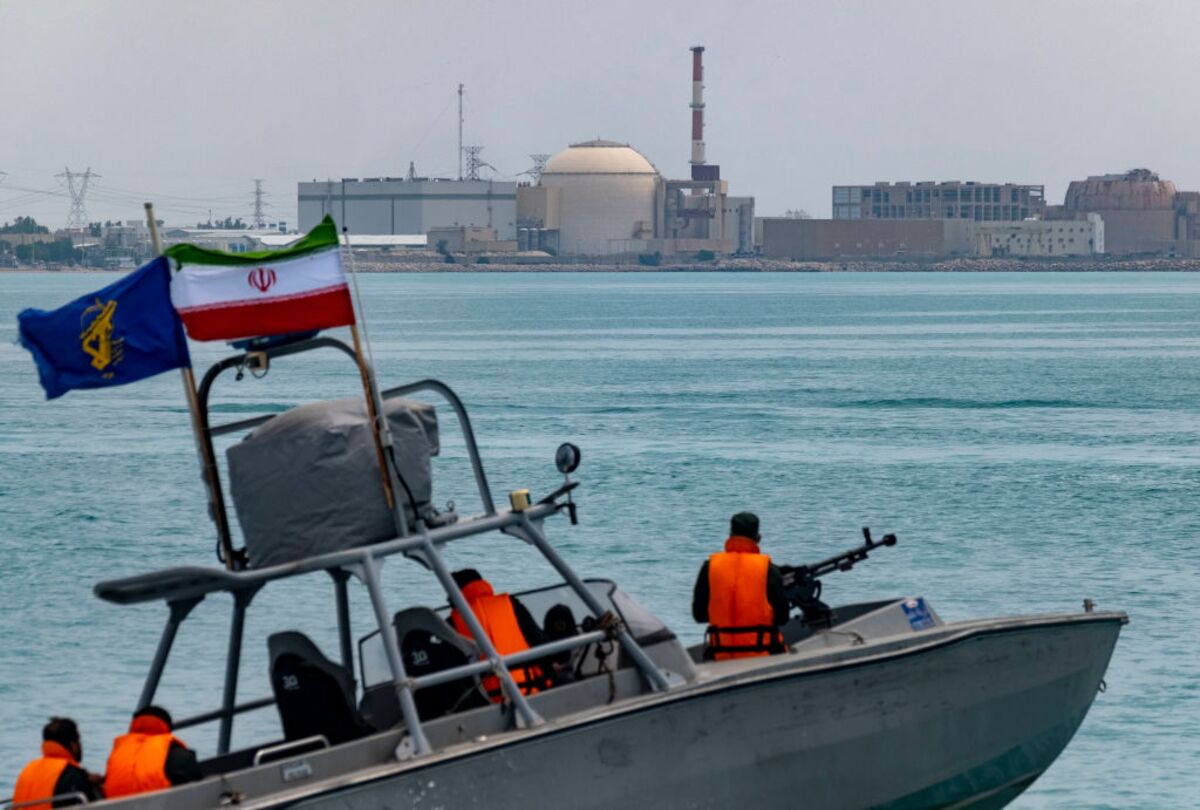
The IAEA reports Iran's stockpile of near bomb-grade uranium has increased by a record 50% in the last three months, reaching 409 kilograms. This accumulation complicates ongoing negotiations regarding Iran's nuclear ambitions and raises concerns about the potential to quickly produce approximately ten nuclear weapons should Iran choose to weaponize the enriched material.
The International Atomic Energy Agency (IAEA) reports a significant escalation in Iran's nuclear program, with its stockpile of highly-enriched uranium increasing by a record volume, nearly 50%, to 409 kilograms over the last three months. This quantity of material, enriched just below weapons-grade, could potentially be converted to form the core of approximately ten nuclear bombs, substantially complicating international negotiations aimed at a peaceful resolution of concerns regarding the Islamic Republic’s atomic ambitions, including talks involving the US. The strongly negative sentiment (-0.7) and uncertain tone associated with this news, coupled with a moderate market impact score (0.6), underscore the heightened geopolitical instability. This development directly implicates themes of Geopolitics & War and Sanctions & Export Controls, and carries potential repercussions for Energy Markets & Prices due to increased regional tensions.
AI-powered research, real-time alerts, and portfolio analytics for institutional investors.
Request DemoOverall Sentiment
strongly negative
Sentiment Score
-0.70
